Language


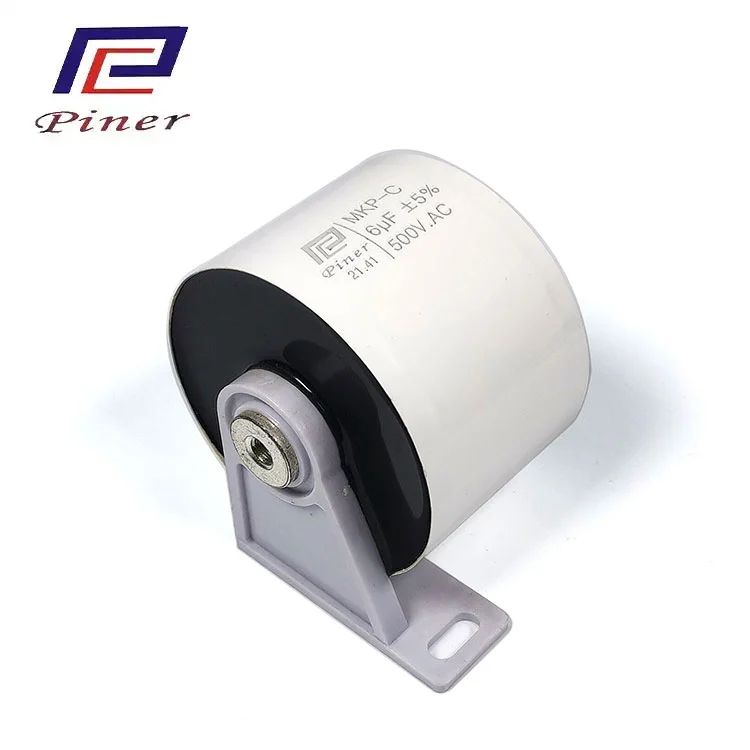
Although DC link capacitors and AC capacitors both belong to the capacitor family, they differ fundamentally in design philosophy, manufacturing processes, and application scenarios. Understanding these differences is crucial for proper selection and use.
Structural design differences:
DC capacitors typically use a double-sided metallized film wound structure, focusing on low ESR design; AC capacitors often employ segmented electrode designs, emphasizing self-healing properties and safety protection. In terminal design, DC products tend toward high-current connection methods, while AC products place greater emphasis on insulation safety.
Material system differences:
DC support capacitors typically use polypropylene film as the dielectric and are encapsulated with epoxy resin; AC capacitors commonly employ polyester film as the dielectric, with some high-voltage models using oil-immersed construction. Regarding electrode materials, DC products tend to use zinc-aluminum composite metallized electrodes, while AC products generally favor pure aluminum electrodes.
Performance parameters focus:
DC capacitors emphasize ripple current tolerance and voltage retention characteristics, while AC capacitors place greater emphasis on reactive power output stability and overload capacity. Regarding lifetime testing standards, DC products focus on high-temperature load life testing, whereas AC products require AC withstand voltage life testing.
Technological Development Trends:
Current DC capacitor technology is advancing toward higher frequencies and higher operating temperatures, with new silicon carbide applications driving the development of products operating above 100 kHz. AC capacitors are evolving toward greater intelligence and modularity, and smart capacitors integrated with current sensors and temperature monitoring have become a new market trend. In terms of green manufacturing, both types of capacitors are adopting oil-free and lead-free production processes, with the proportion of environmentally friendly materials increasing year by year.
Application Scenarios:
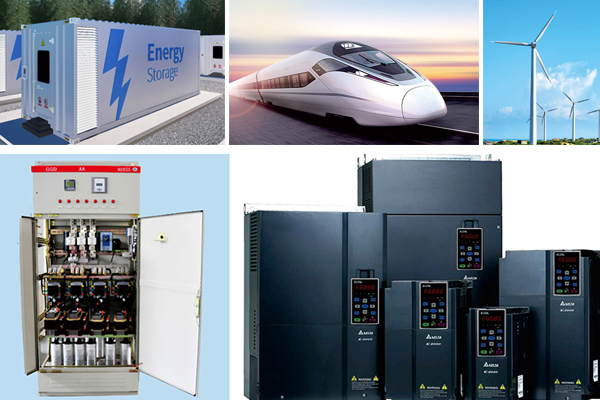
With the rapid development of the new energy sector, the installed capacity of DC support capacitors in photovoltaic power stations has grown by 35% year-on-year, and their market penetration rate in energy storage inverters has reached 68%. AC capacitors are also showing strong growth in emerging fields such as data center UPS systems and electric vehicle charging stations, maintaining a compound annual growth rate above 15%. The trend toward technological integration between the two types of capacitors is becoming increasingly evident, with certain hybrid products already successfully applied in AC-DC hybrid microgrid systems.