Expert Technical Partnership
We provide more than components – we are your R&D partner. Our engineering team delivers customized magnetic and capacitor solutions, from design support to rapid prototyping.


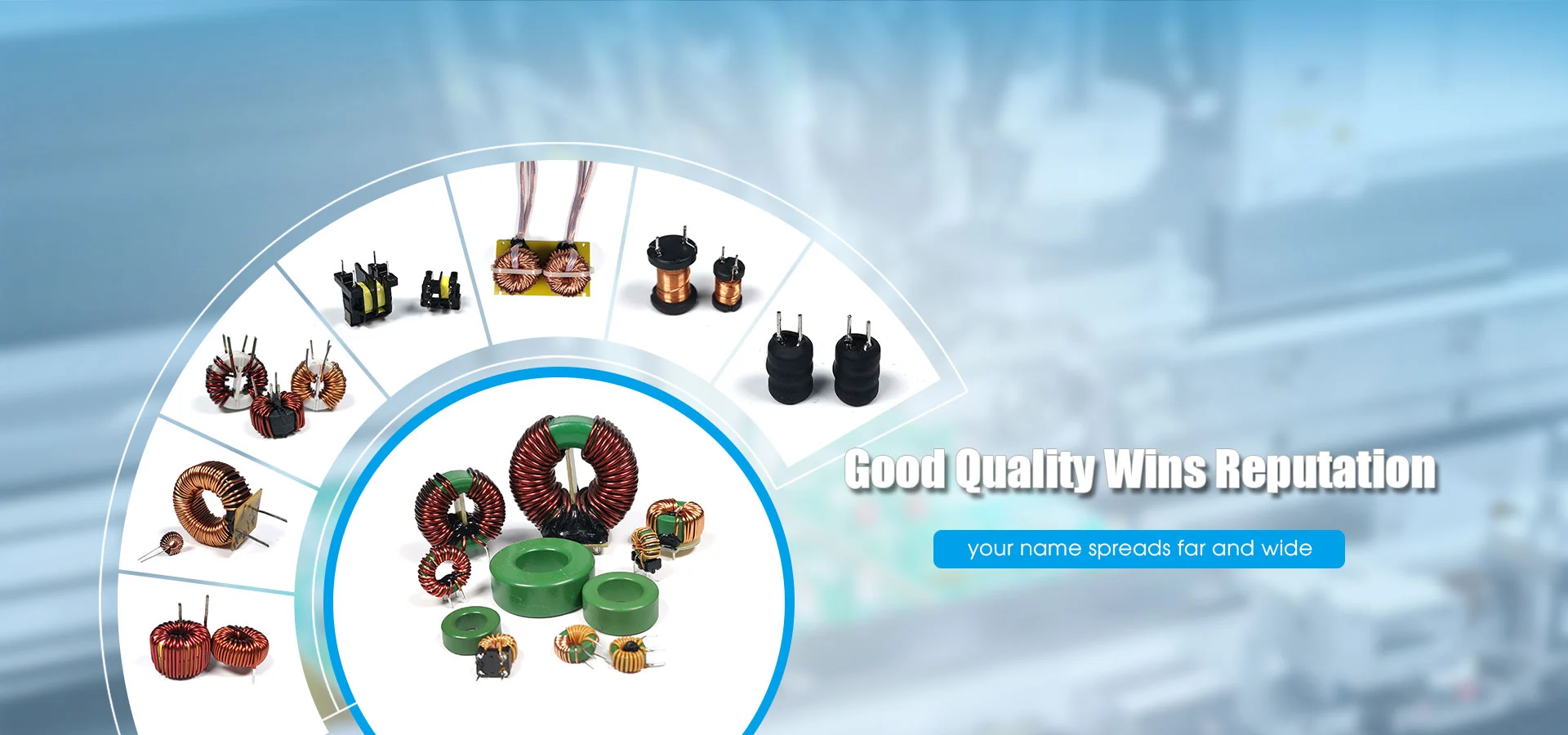
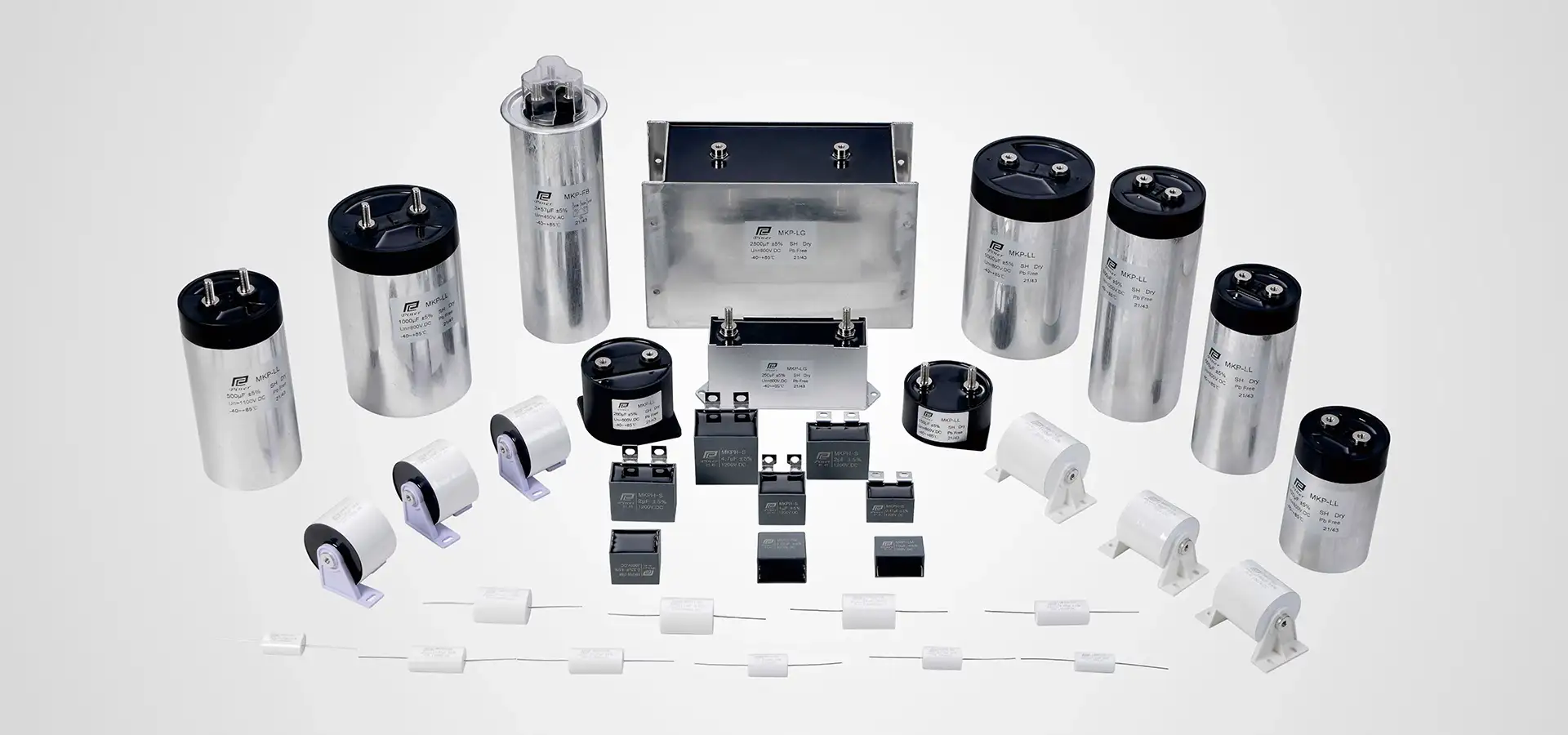
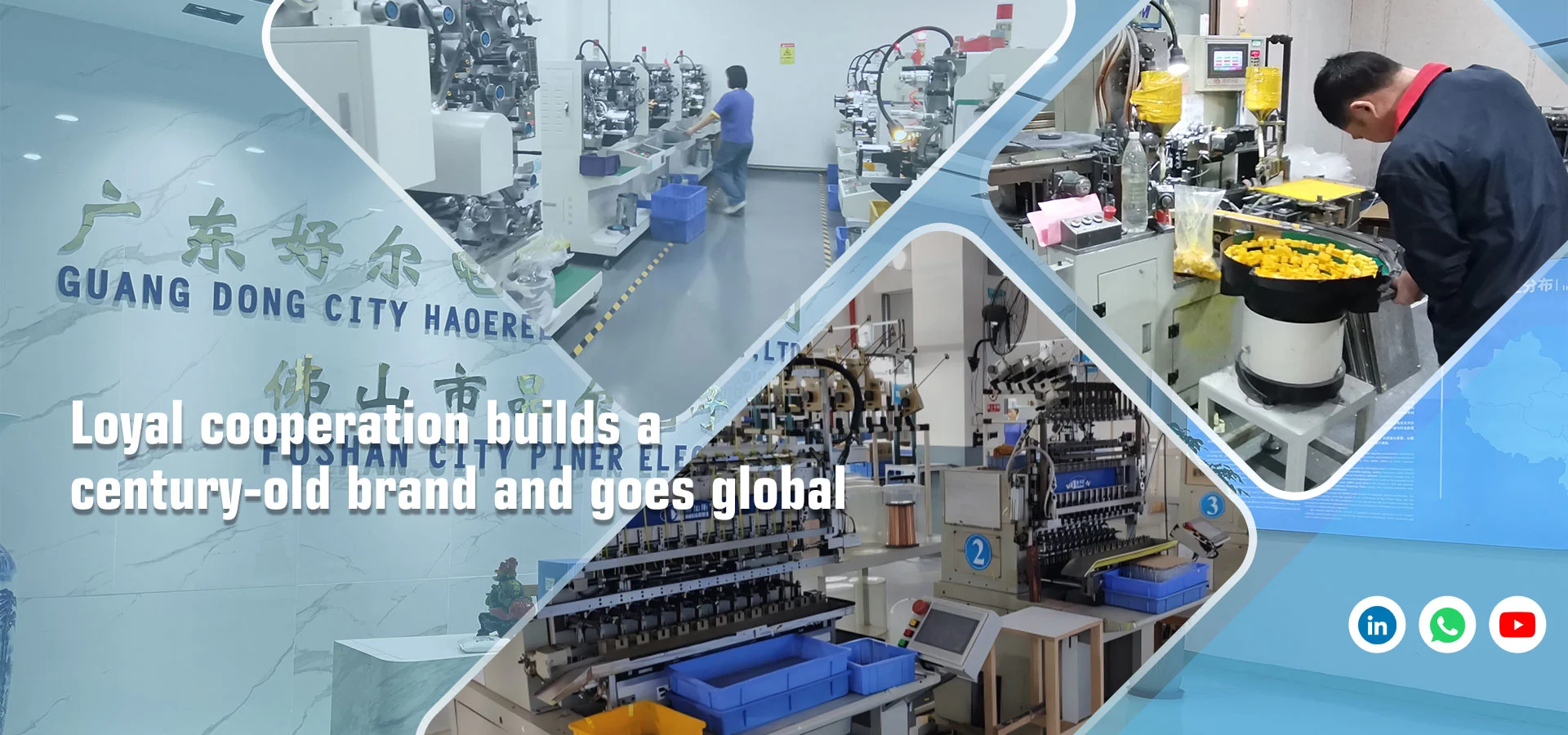

We provide more than components – we are your R&D partner. Our engineering team delivers customized magnetic and capacitor solutions, from design support to rapid prototyping.

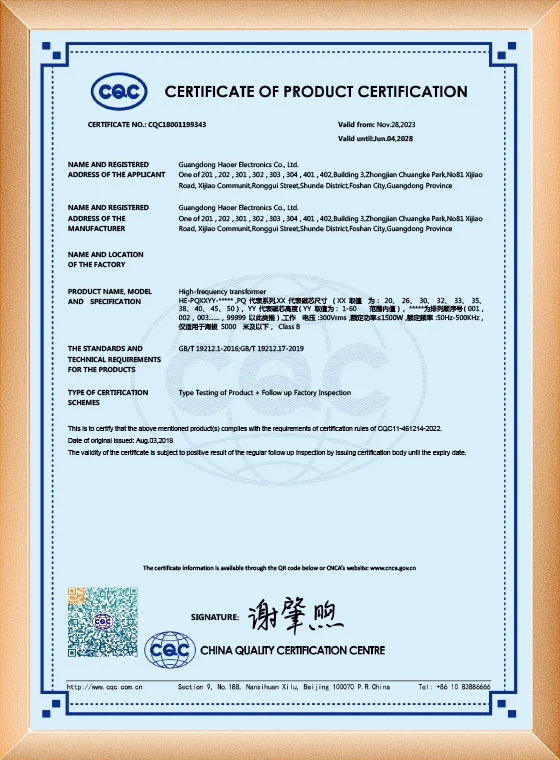
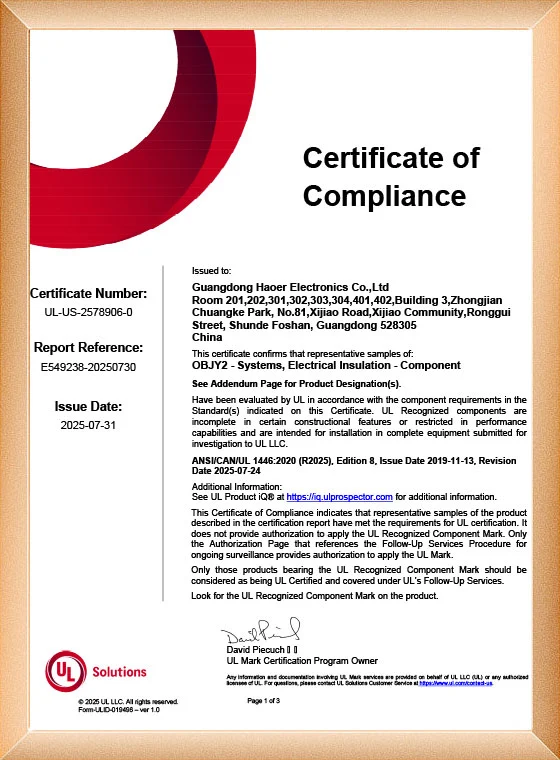
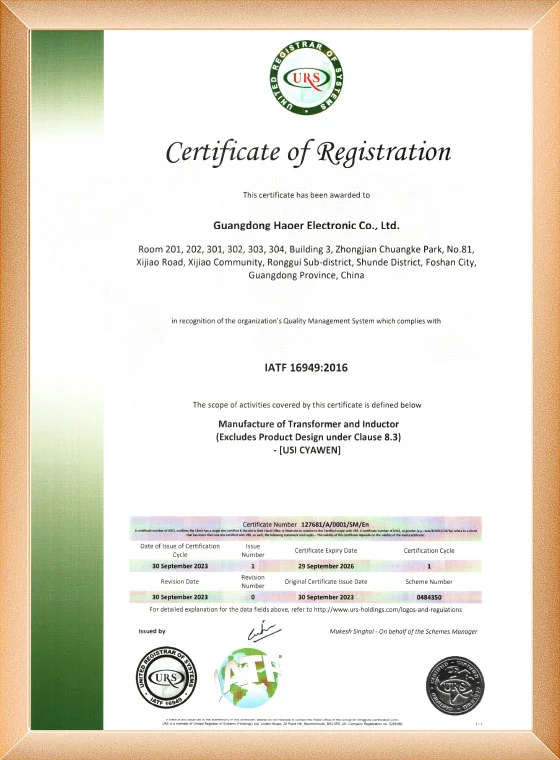
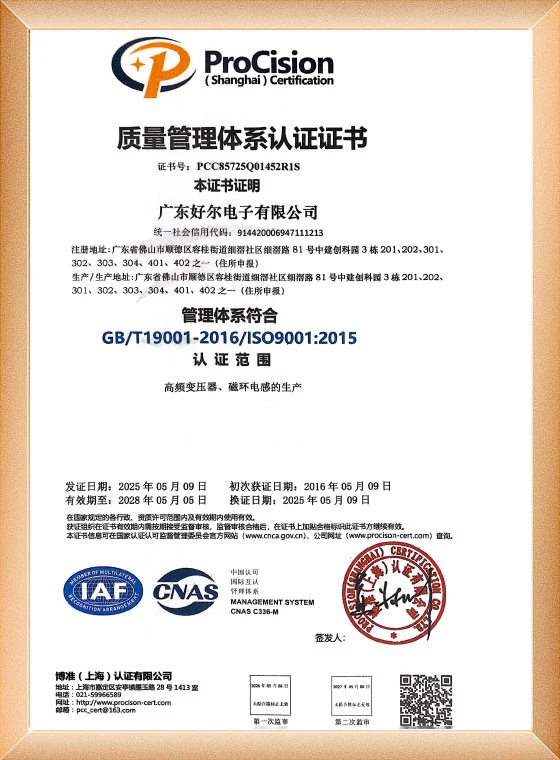
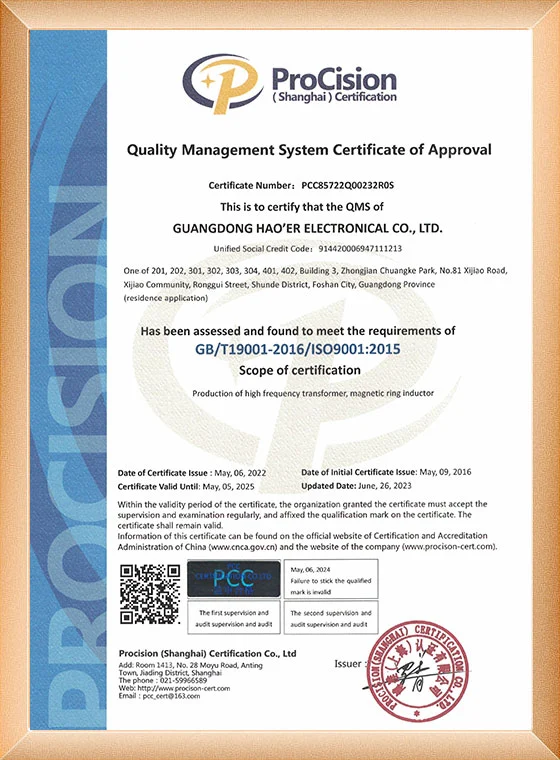
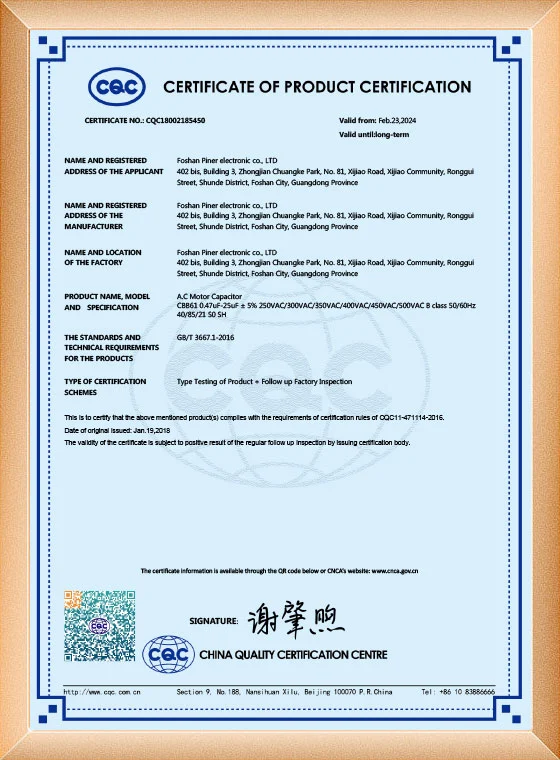
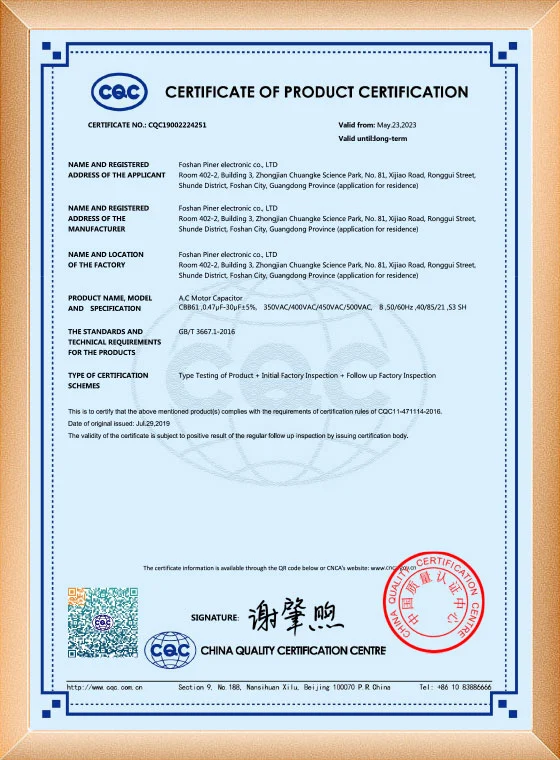
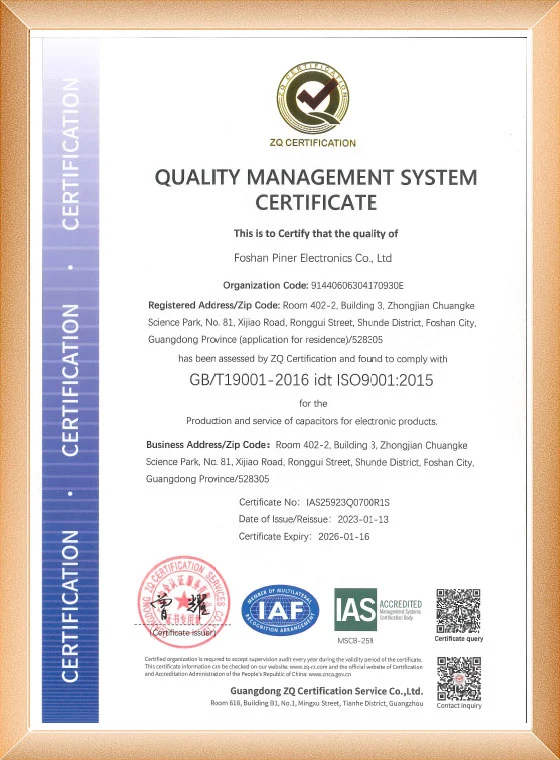
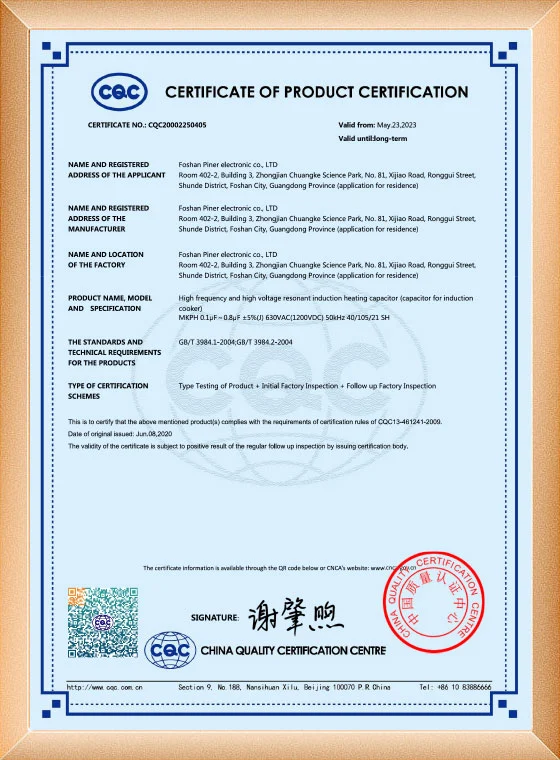
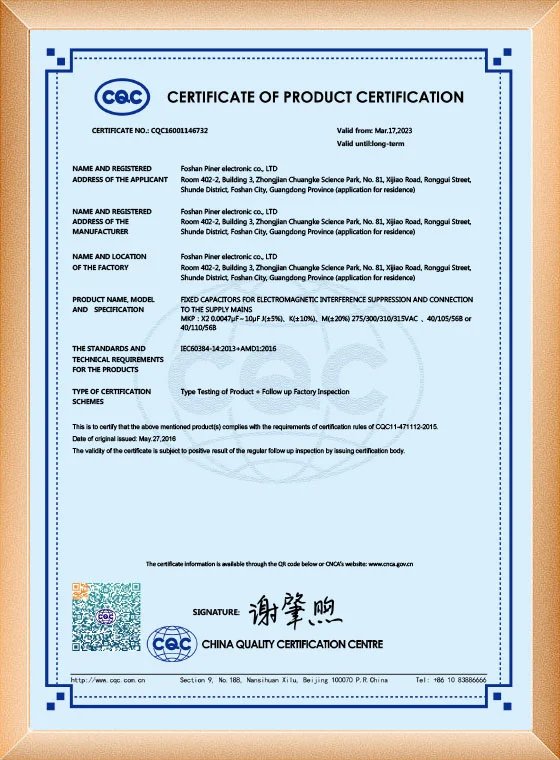
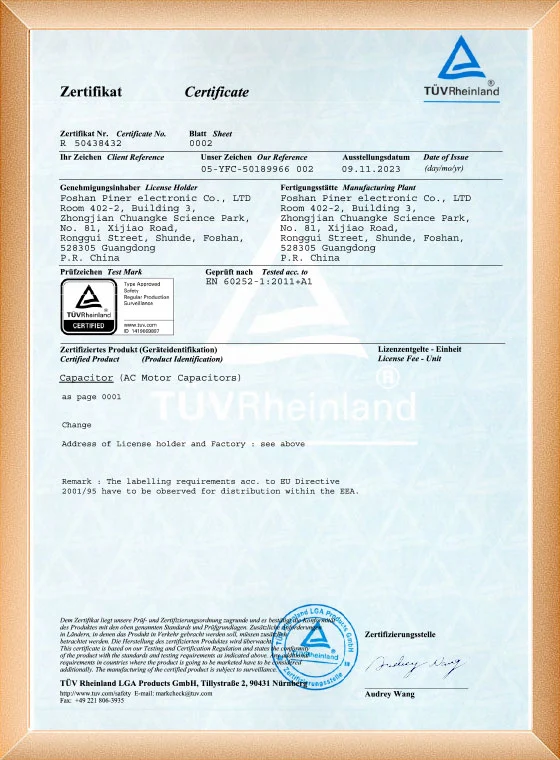
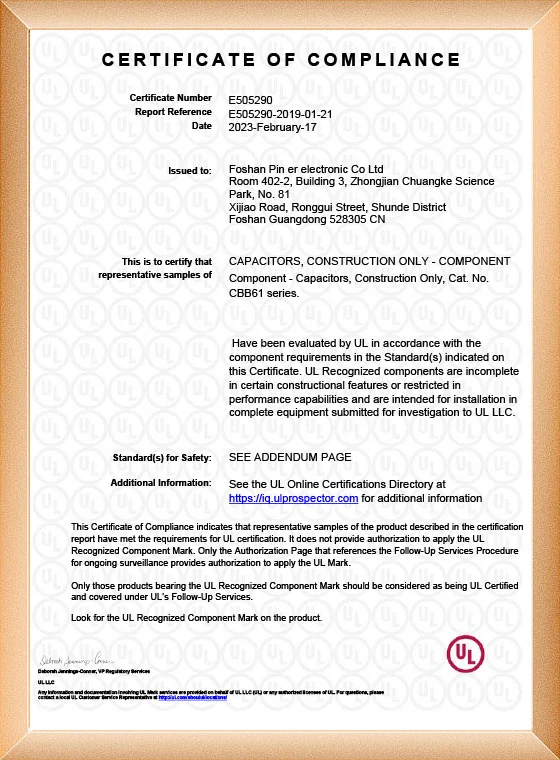
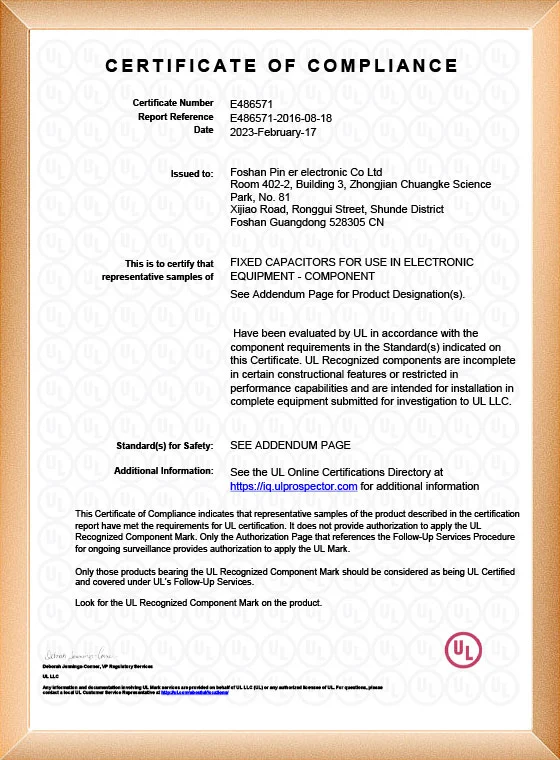
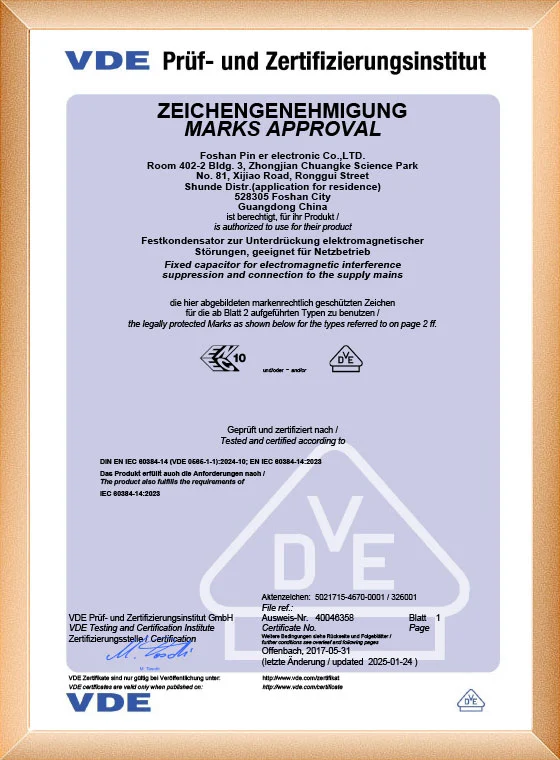
Every product undergoes strict testing and holds international certifications (UL, ISO, VDE, RoHS). Our full-process quality control ensures consistent performance and safety compliance.

With annual capacity of 100M+ units and applications in leading industries (new energy, automotive, telecom), we deliver reliable, scalable solutions for global customers.
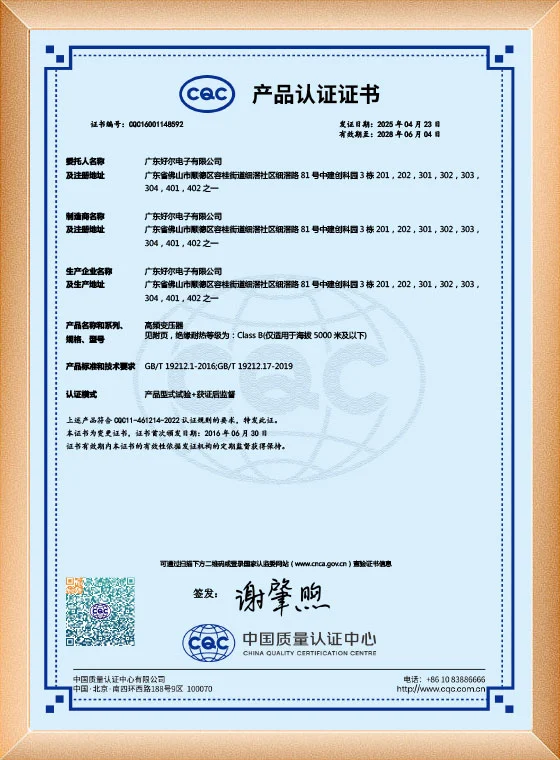

Modem Factory

Employee count

Monthly Production

Annual Comprehensive Output


In recent years, smart homes have become increasingly popular. Also known as intelligent residences, smart homes integrate automation control, computer networks, and communication technologies into a networked, intelligent home management system. Through a mobile app, users can control all connected appliances within the household. A typical smart home system comprises eight subsystems, all designed to provide a safe, convenient, comfortable, artistic, energy-efficient, and environmentally friendly living environment. Achieving this requires not only user-friendly and intelligent software but also reliable hardware to ensure the smooth operation of the entire system.
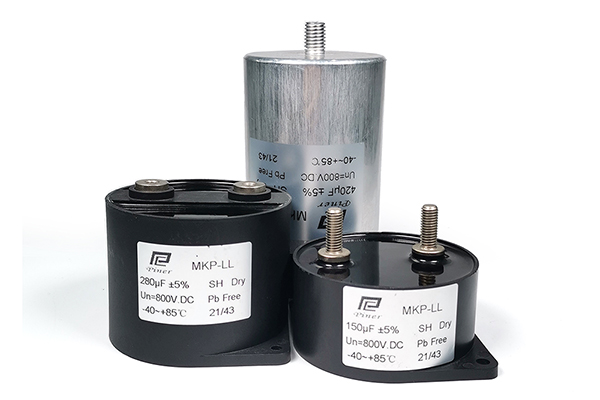
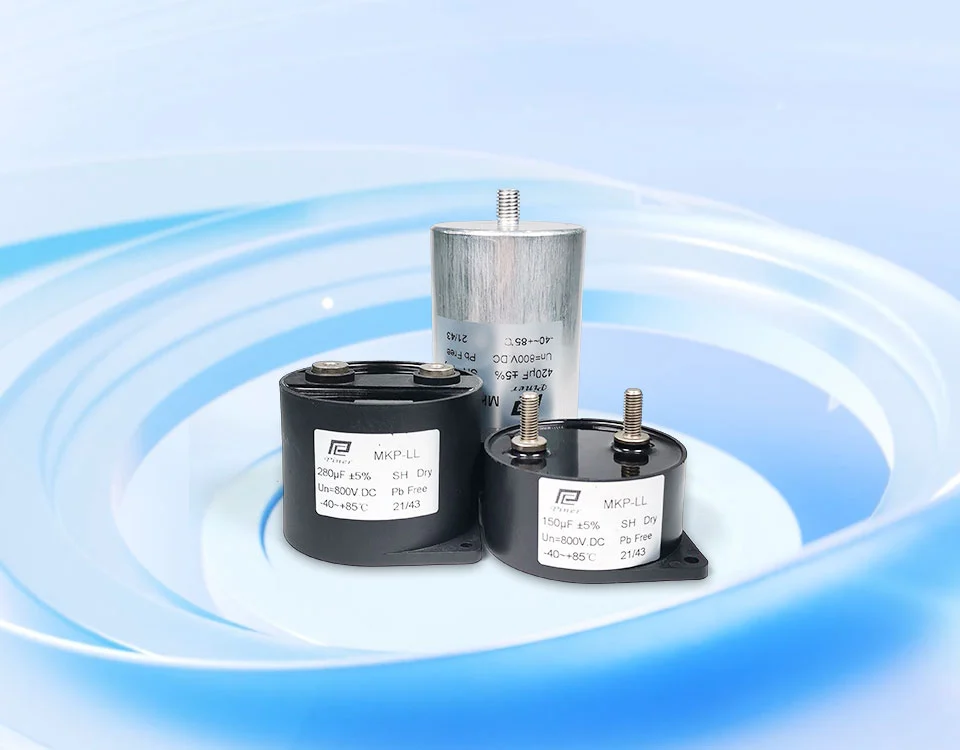
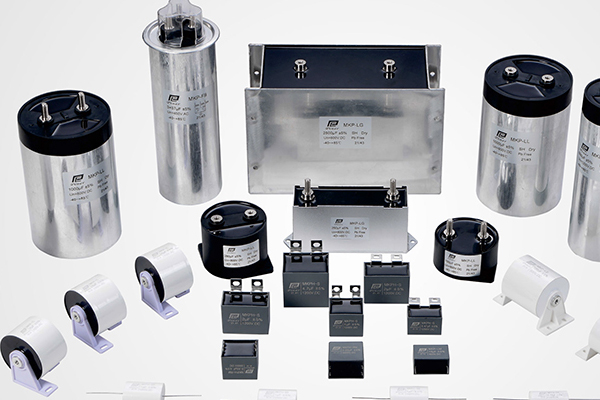
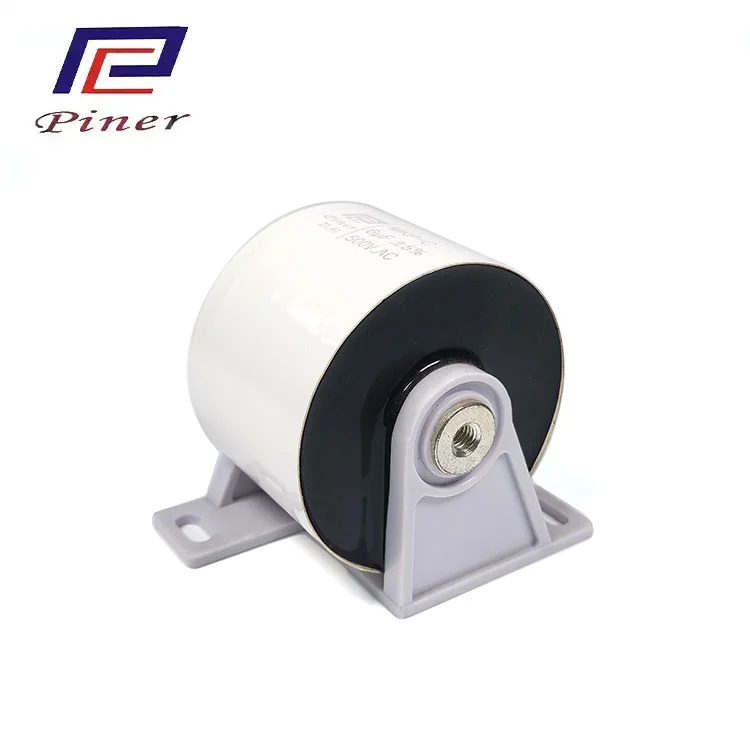
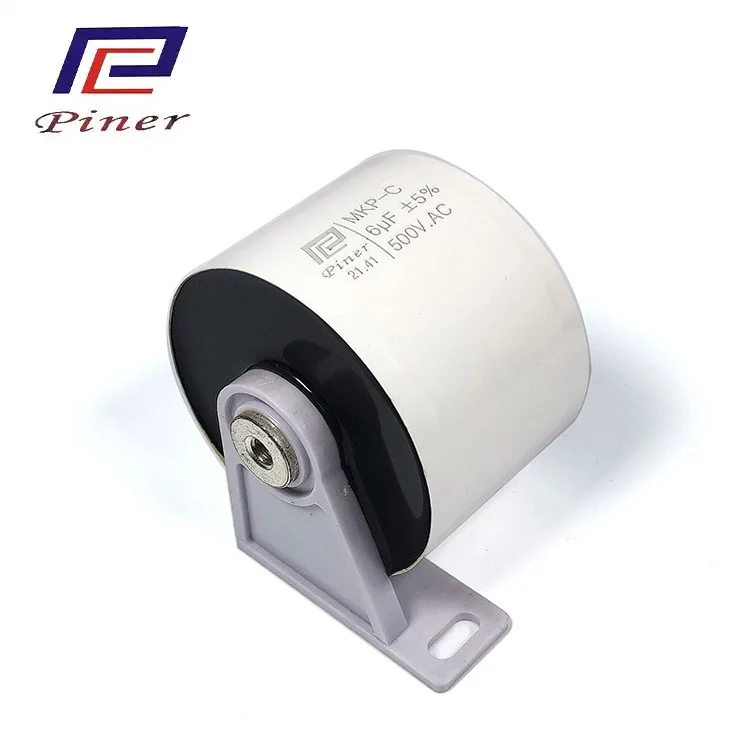
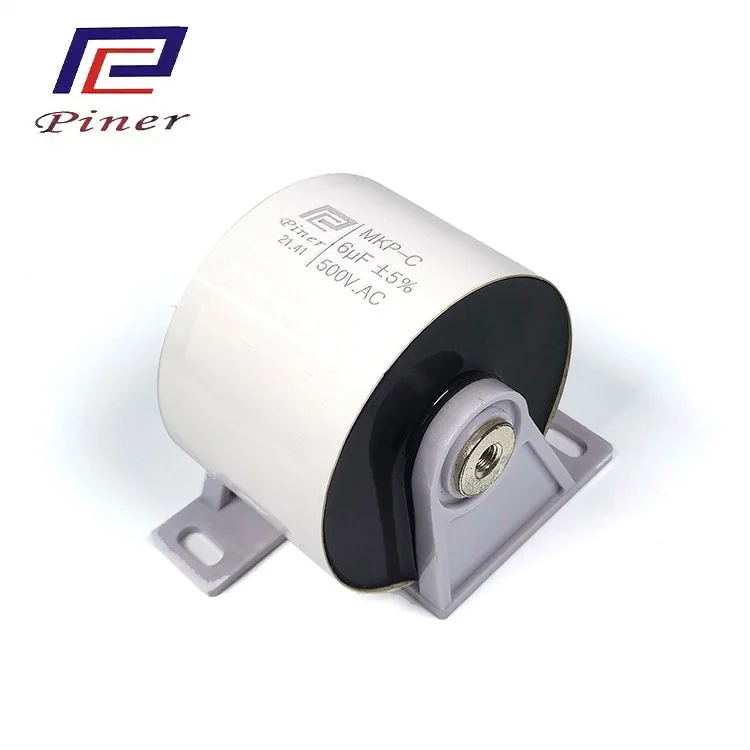
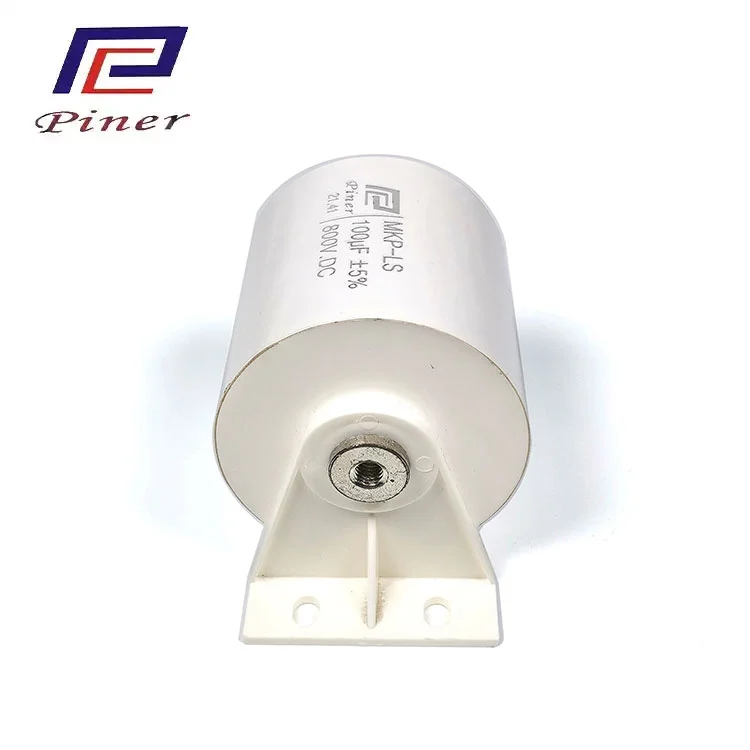
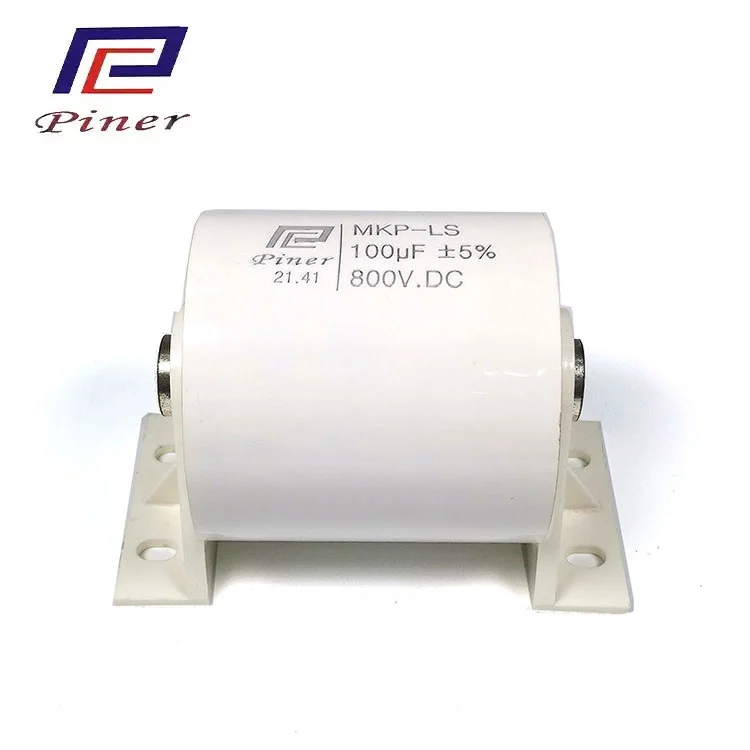
DC-link capacitors are critical energy storage components in power electronics systems, playing an irreplaceable role in modern industrial applications. These capacitors are primarily used for DC-side filtering and energy buffering, with core functions including stabilizing DC bus voltage, suppressing ripple interference, and improving system power density.

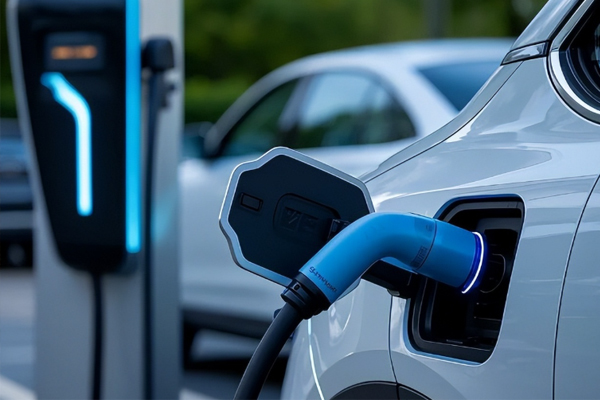
As the electric vehicle (EV) industry moves toward higher-voltage architectures, the 800V platform has become a mainstream trend. This technological shift significantly increases charging power and shortens charging time, while also posing unprecedented challenges to core electronic components. Among these, the DC‑Link capacitor (DC‑support capacitor) – a critical energy‑storage component that connects the traction battery to the traction inverter, stabilizes the DC bus voltage, and absorbs high‑frequency ripple currents – has become a focal point for technology upgrades.

Although DC link capacitors and AC capacitors both belong to the capacitor family, they differ fundamentally in design philosophy, manufacturing processes, and application scenarios. Understanding these differences is crucial for proper selection and use.
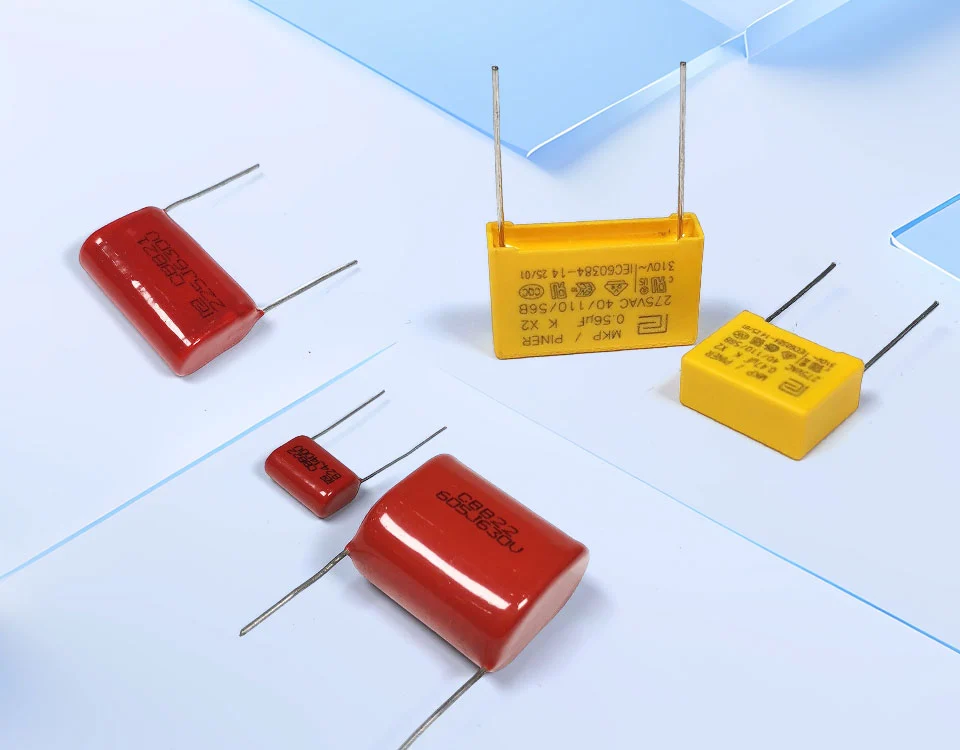
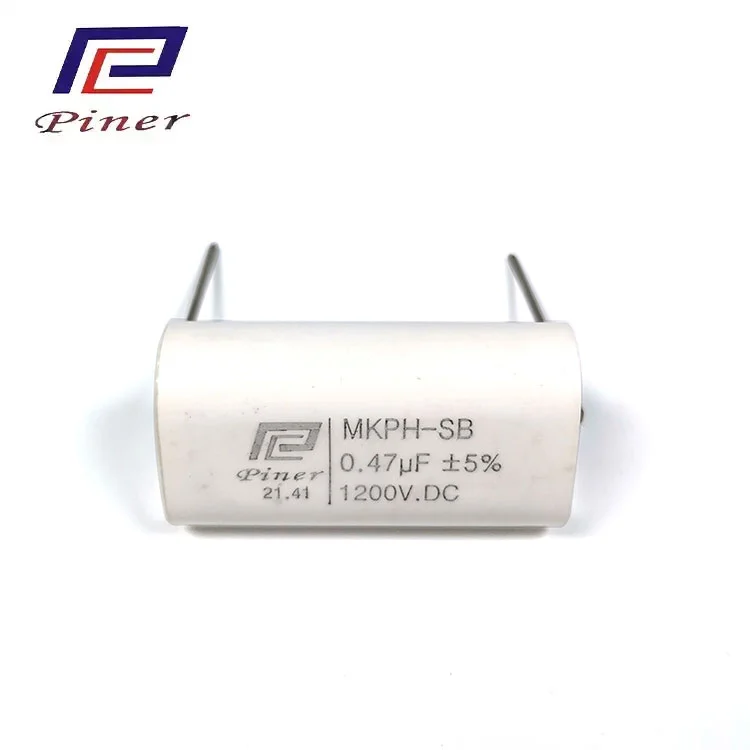
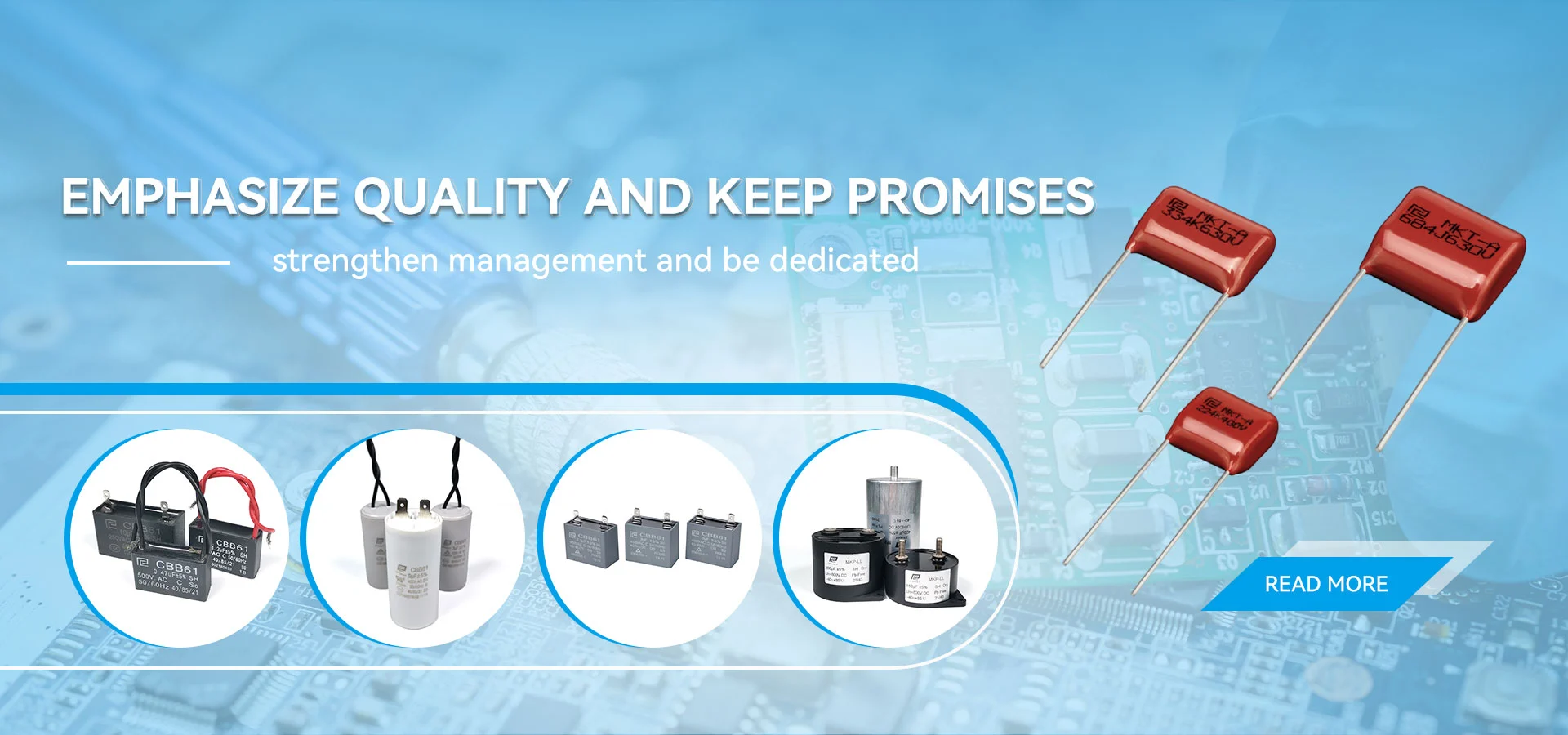
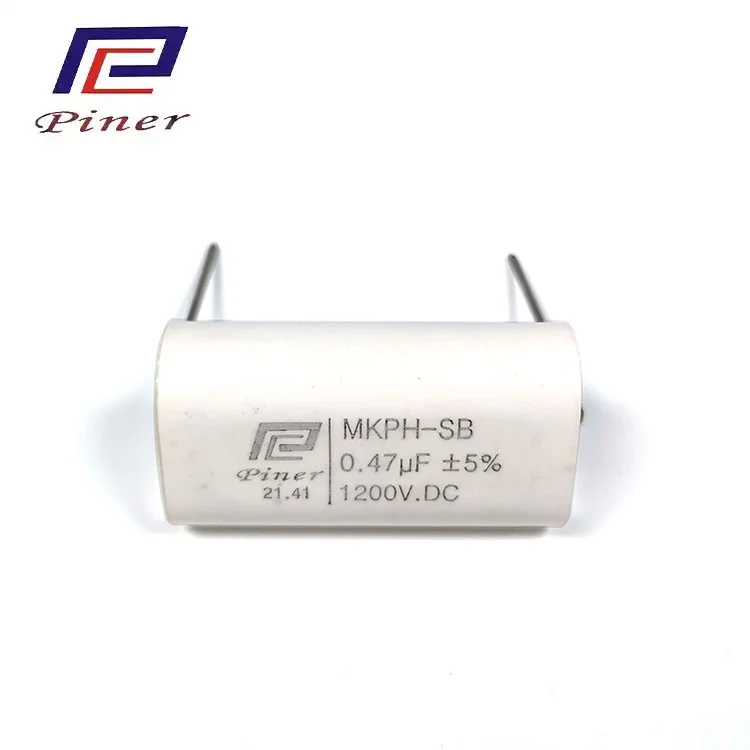
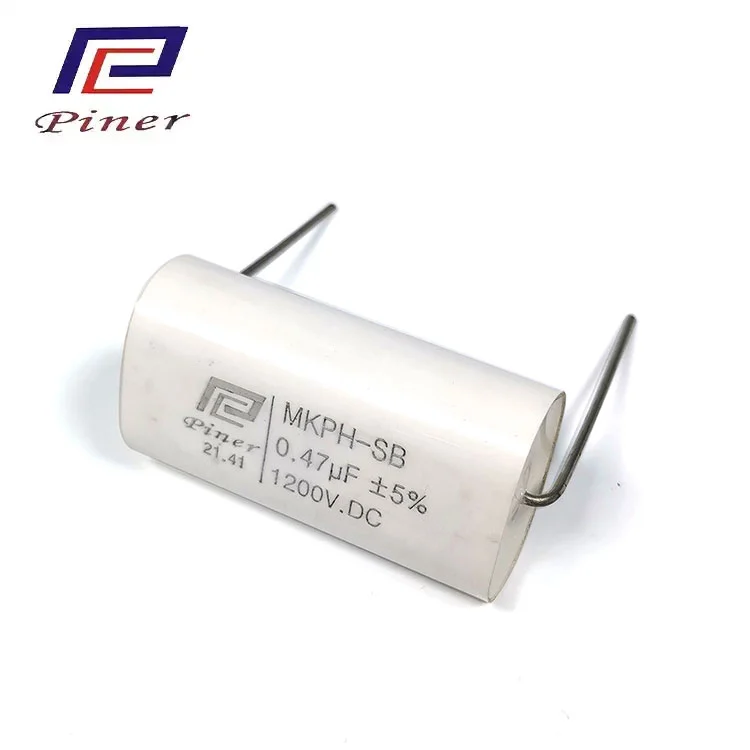
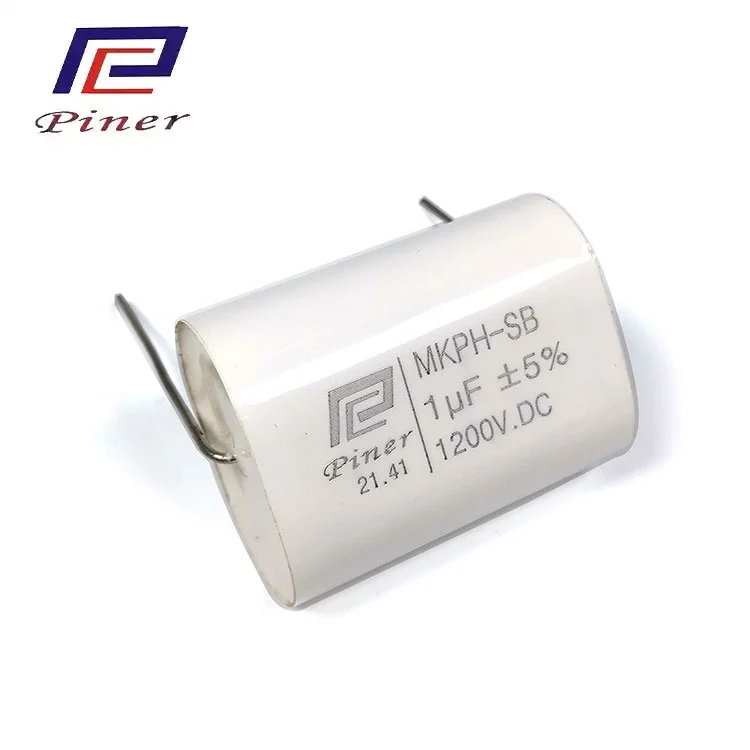
In the DC-link section of industrial inverters, film capacitors are used for voltage smoothing. The low equivalent series resistance (ESR) of film capacitors (typically in the range of 1 mΩ to 5 mΩ) reduces heating issues caused by high-frequency switching ripple. The film capacitor series offered by Foshan Pin'er Electronics Co., Ltd. achieves a temperature rise of within 15 K under full-load inverter conditions.
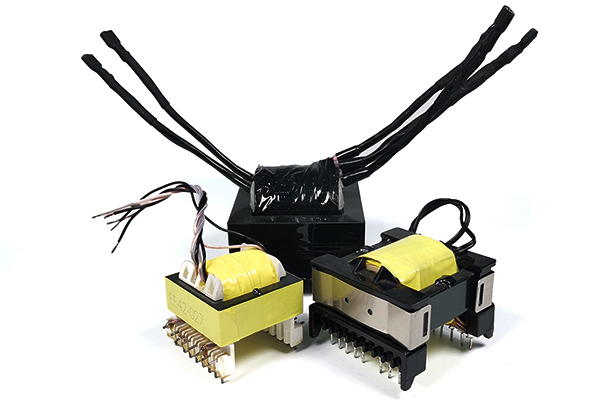
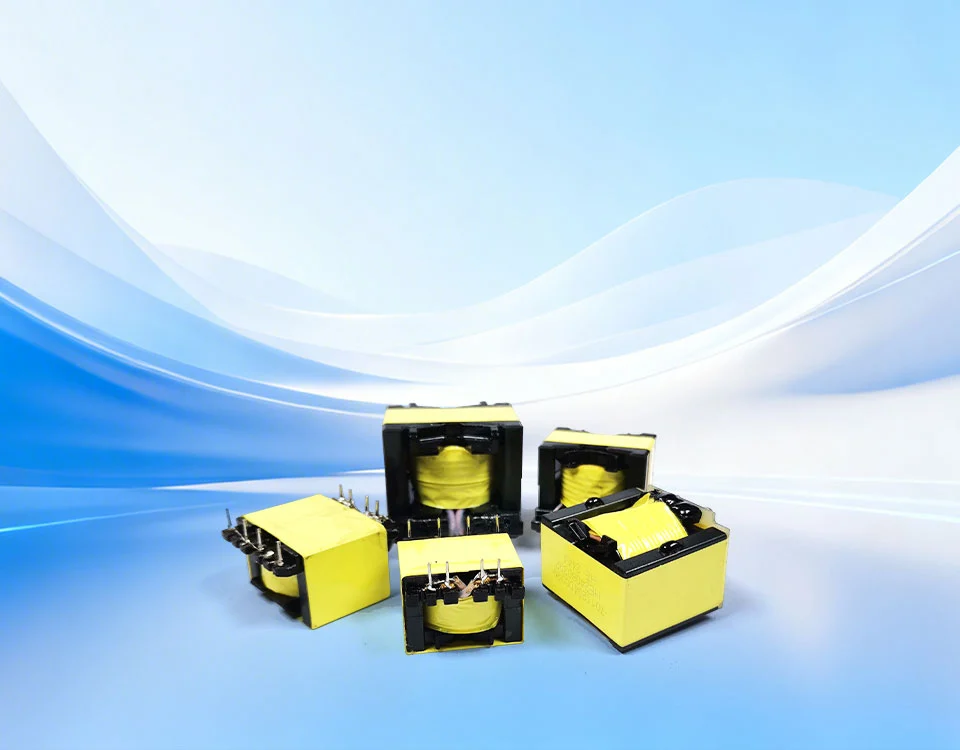
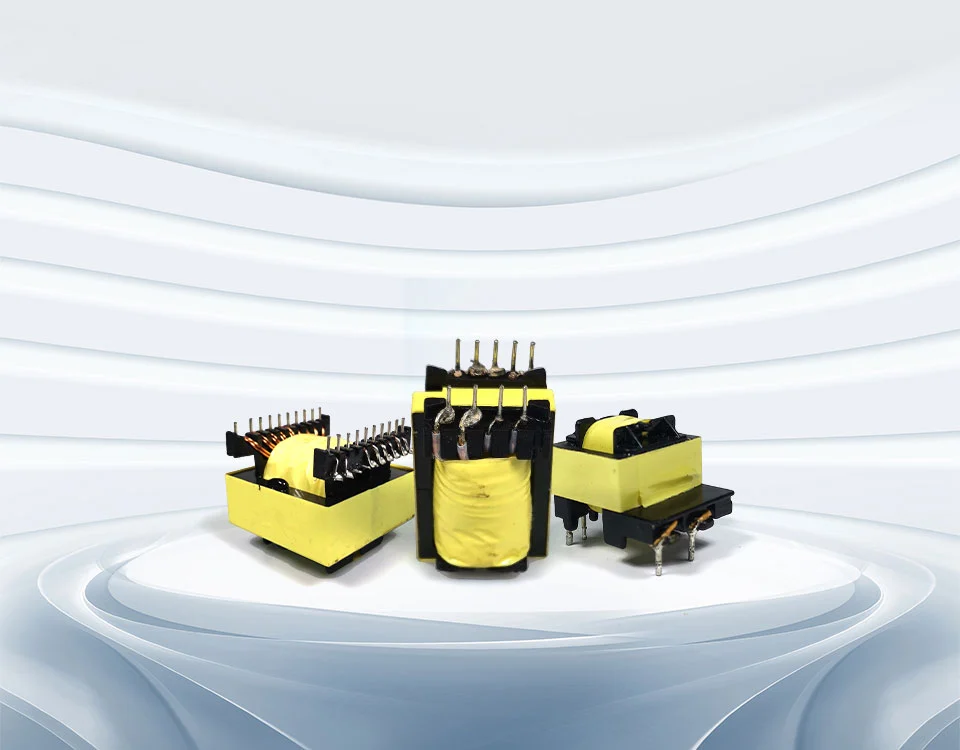
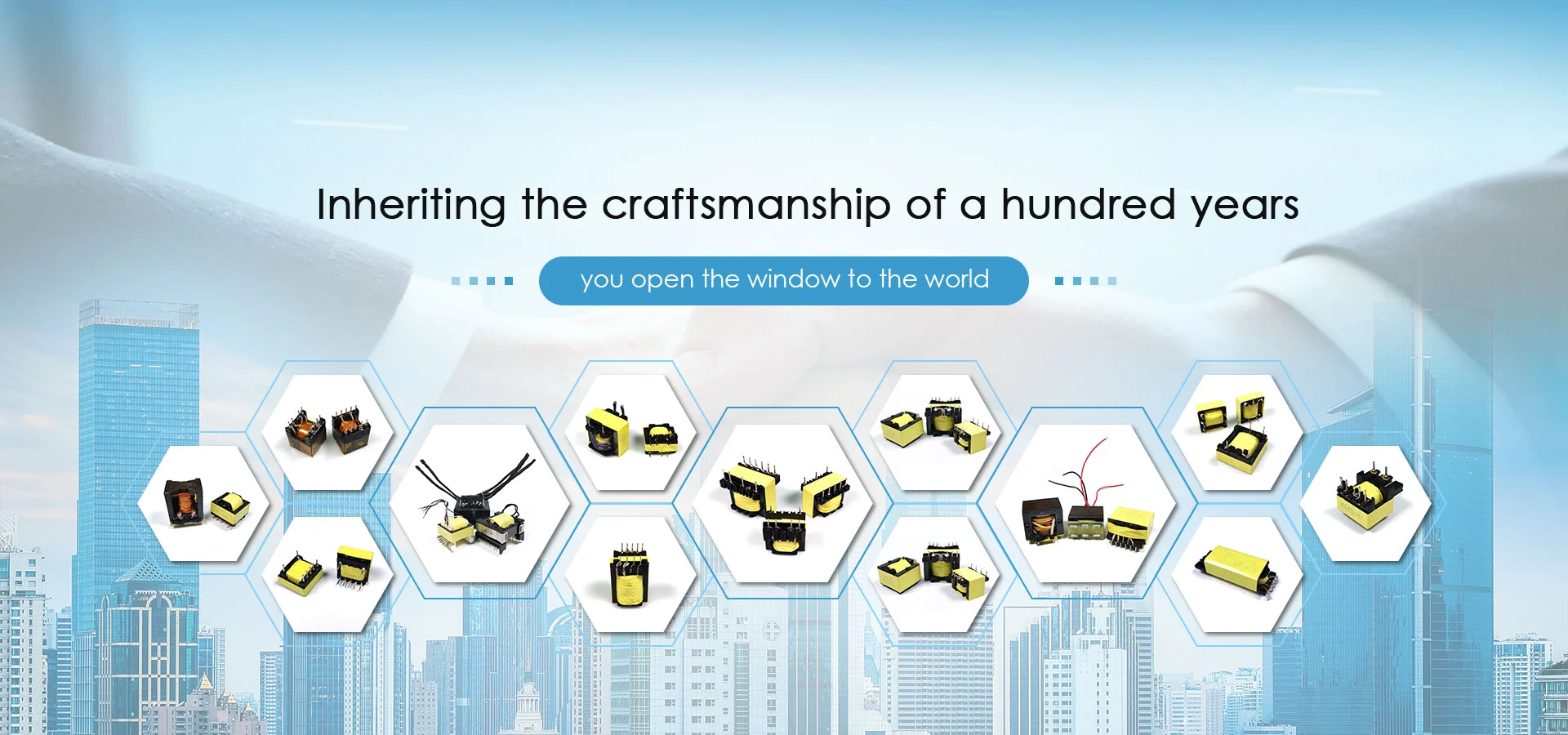
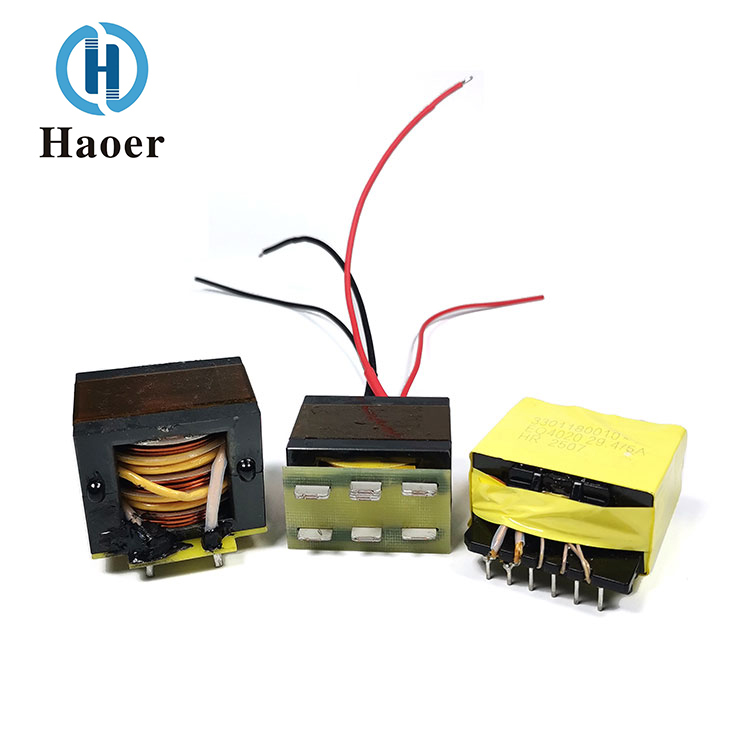
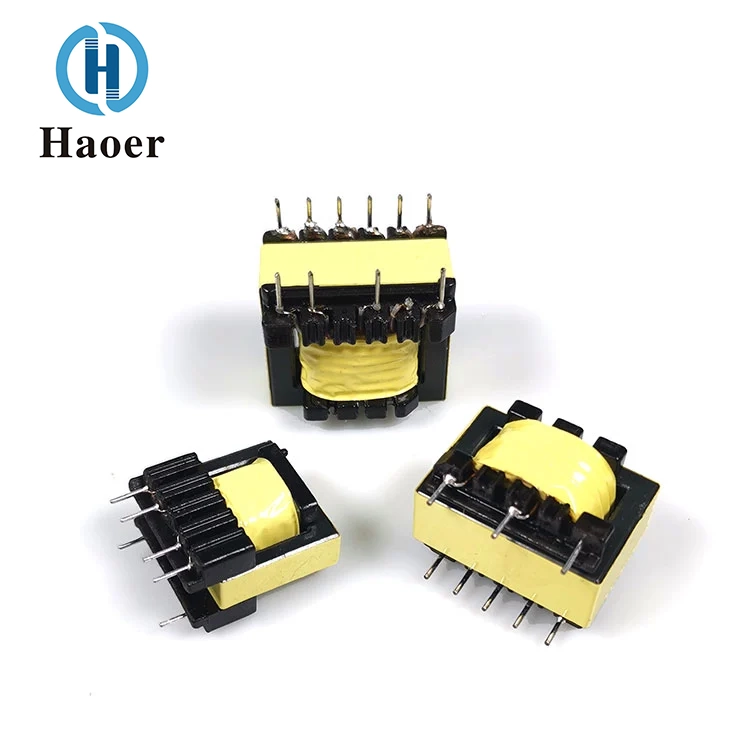
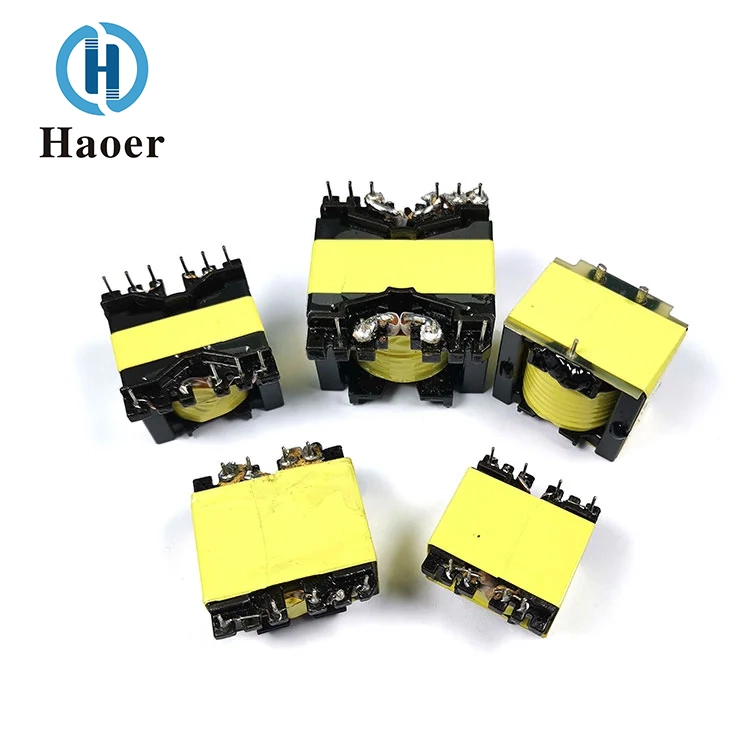
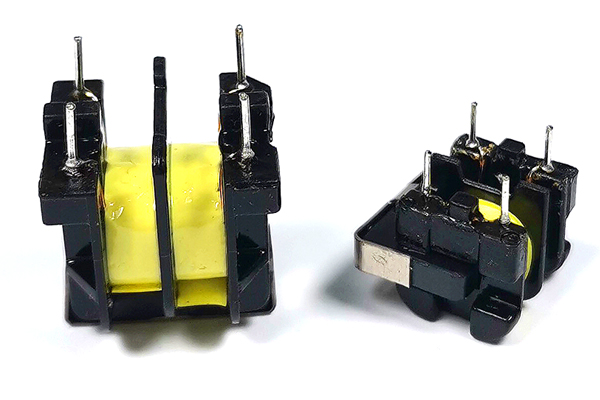
High-frequency transformers are essential electromagnetic components in power electronics systems. Their primary functions are voltage conversion, electrical isolation, and energy transfer in high-frequency switching circuits. Unlike traditional line-frequency transformers, high-frequency transformers typically operate at frequencies ranging from tens of kilohertz (kHz) to several megahertz (MHz). This fundamental difference leads to significant variations in core materials, winding structures, and design approaches.
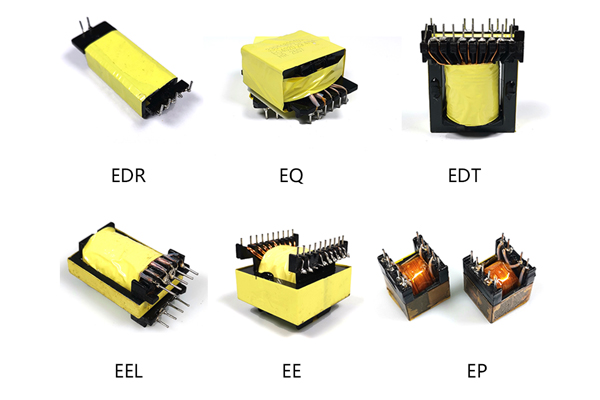
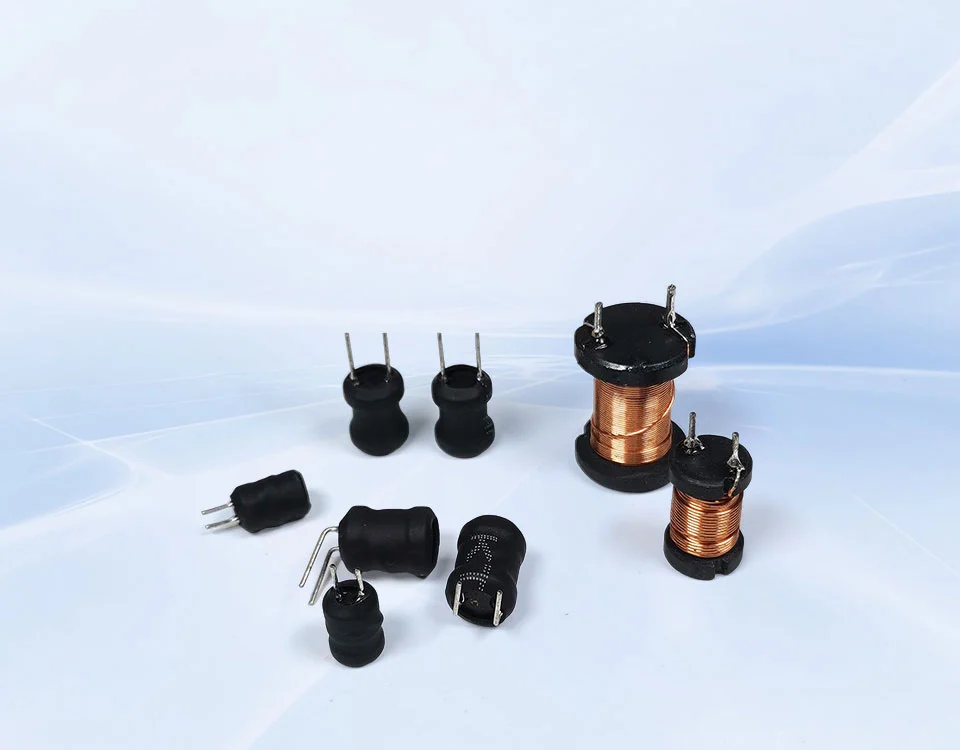
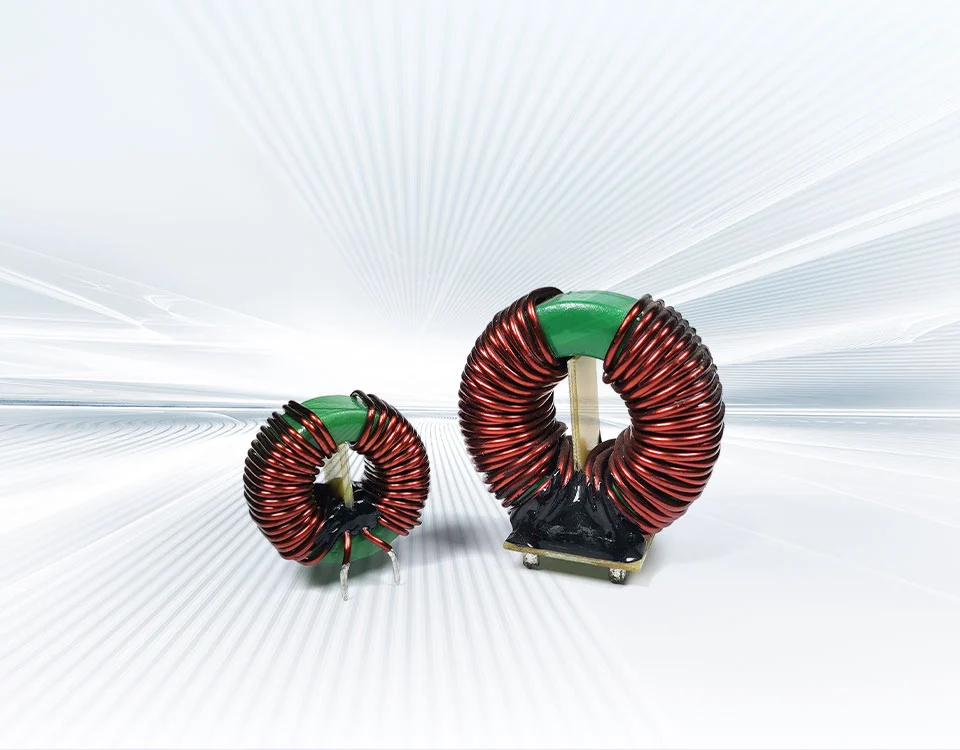
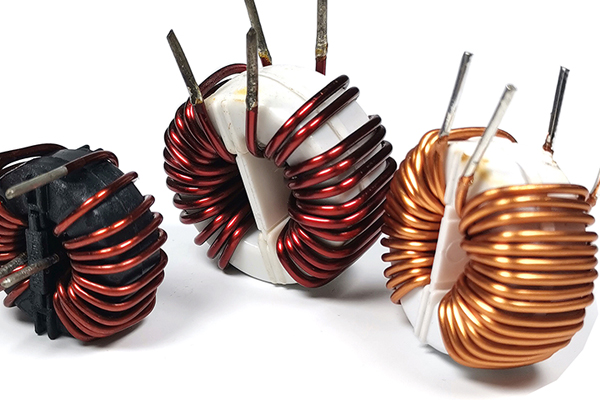
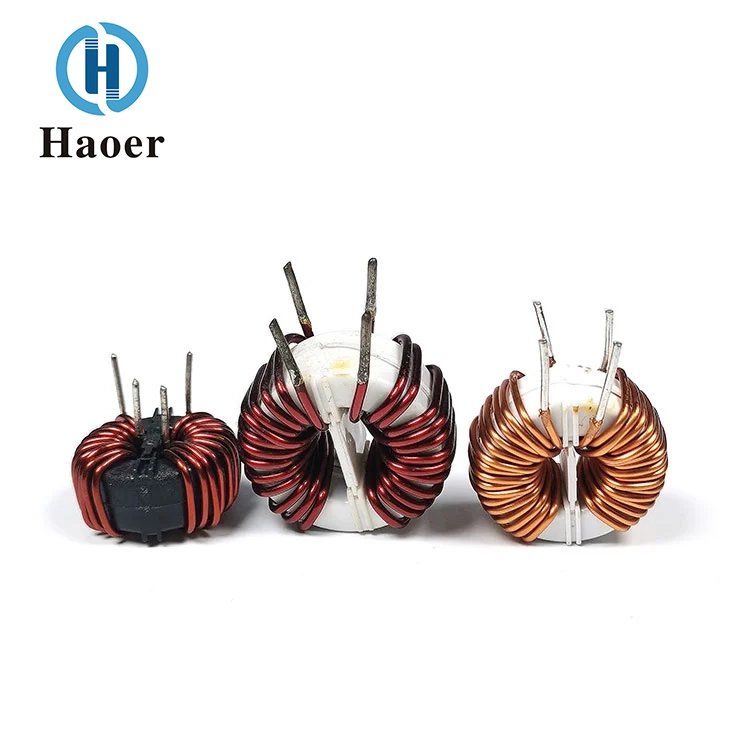
In circuit design, inductors and transformers are highly customizable magnetic components. Unlike standard off‑the‑shelf parts, their design must take into account multiple parameters -- inductance, operating frequency, power rating, heat dissipation, space constraints, and electromagnetic compatibility -- as well as manufacturing feasibility, to meet specific customer requirements.
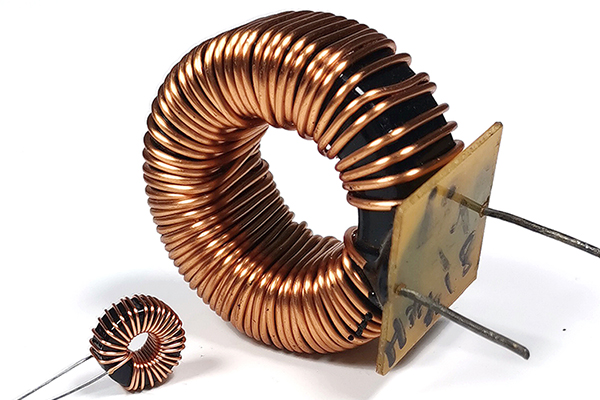
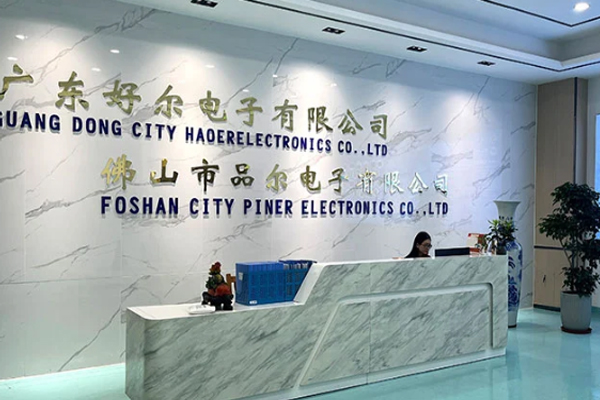
Guangdong Haoer Electronics Co., Ltd. and Foshan Pin'er Electronics Co., Ltd. are specialized manufacturers of precision inductors with extensive experience in design, production, and quality assurance. Over years of industrial practice, we have identified eight critical technical challenges that may compromise inductor performance, reliability, and application suitability. Below is a concise, technically grounded analysis of each issue---along with our validated mitigation strategies, implemented through rigorous material selection, process control, and comprehensive testing protocols.