Language


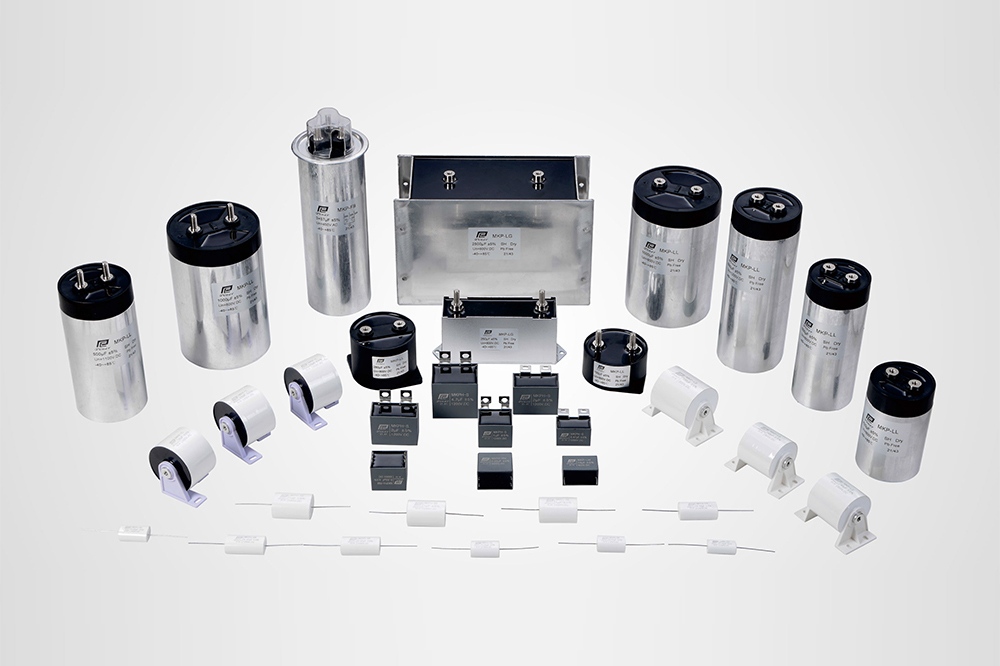
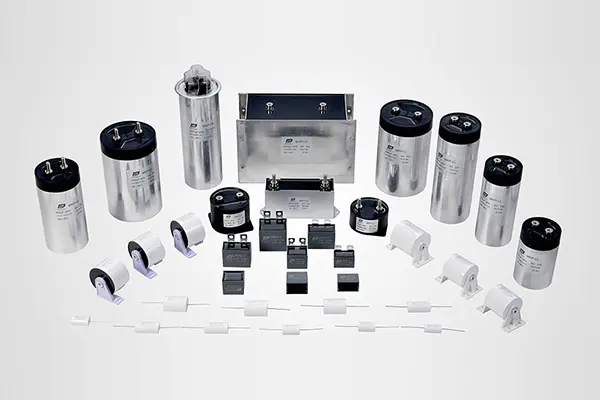
Film capacitors are used in three main application areas within the new energy sector: the automotive market, the power and energy market, and the traditional market.
In traditional internal combustion engine vehicles, the number of film capacitors used is small, mainly for circuit filtering. New energy vehicles use electric drive systems, and the vehicle voltage platform has increased (from 400V to 800V and above). This requires capacitors with higher voltage withstand capability, higher ripple current tolerance, better high-frequency response, and higher reliability. Film capacitors have these characteristics, so they are used in multiple electrical components of new energy vehicles.
Specific application components include:
On-board charger (OBC): used for filtering and voltage regulation.
DC/DC converter: used for voltage smoothing and interference suppression.
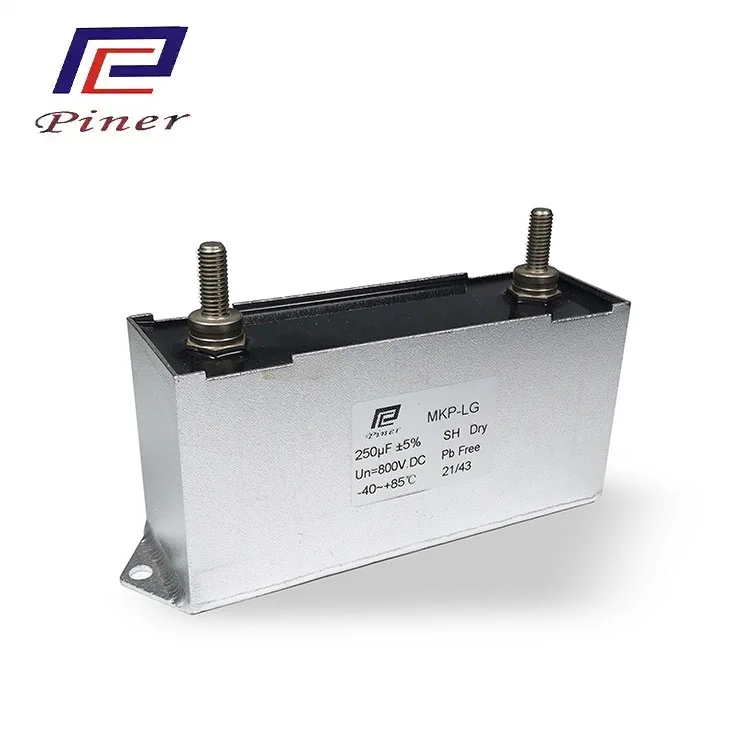
Motor drive (inverter): used as DC-link capacitors to absorb high pulse currents generated by inverter switching, reducing voltage spikes on power semiconductors.
Air conditioning compressor: used for filtering and electromagnetic interference suppression.
Wireless chargers and supporting charging piles: used for stabilizing energy transfer and reducing losses.
The production and sales of new energy vehicles continue to increase, and the number and value of film capacitors used per vehicle rise accordingly. This market segment is growing rapidly and is the main source of increased film capacitor usage.
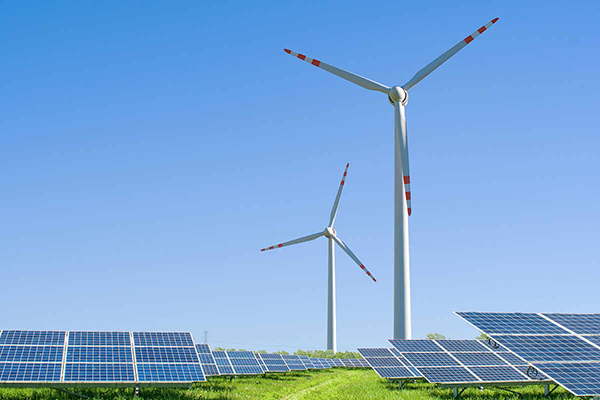
In photovoltaic power generation, wind power generation, and energy storage systems, film capacitors are mainly used in converters and inverter equipment.
Specific applications include:
Photovoltaic inverters and wind power converters: film capacitors serve as DC-link capacitors and filter capacitors to smooth DC bus voltage and absorb high-frequency pulse currents generated by inverters, reducing voltage spikes caused by stray inductance.
Energy storage converters (PCS): film capacitors are used for DC-link and filtering to maintain voltage stability during bidirectional energy conversion.
Static var generators (SVG): film capacitors are internal components that withstand high voltage and high current, used for voltage regulation, current stabilization, and filtering.
Flexible DC transmission converter valves: film capacitors are used for damping absorption and DC support, with high reliability requirements.
Compared with aluminum electrolytic capacitors, film capacitors have higher voltage ratings, better ability to withstand surge currents and continuous current, and better high-frequency and high-temperature performance. As the installed capacity of photovoltaics, wind power, and energy storage continues to grow, the demand for film capacitors in this field maintains a steady increase.
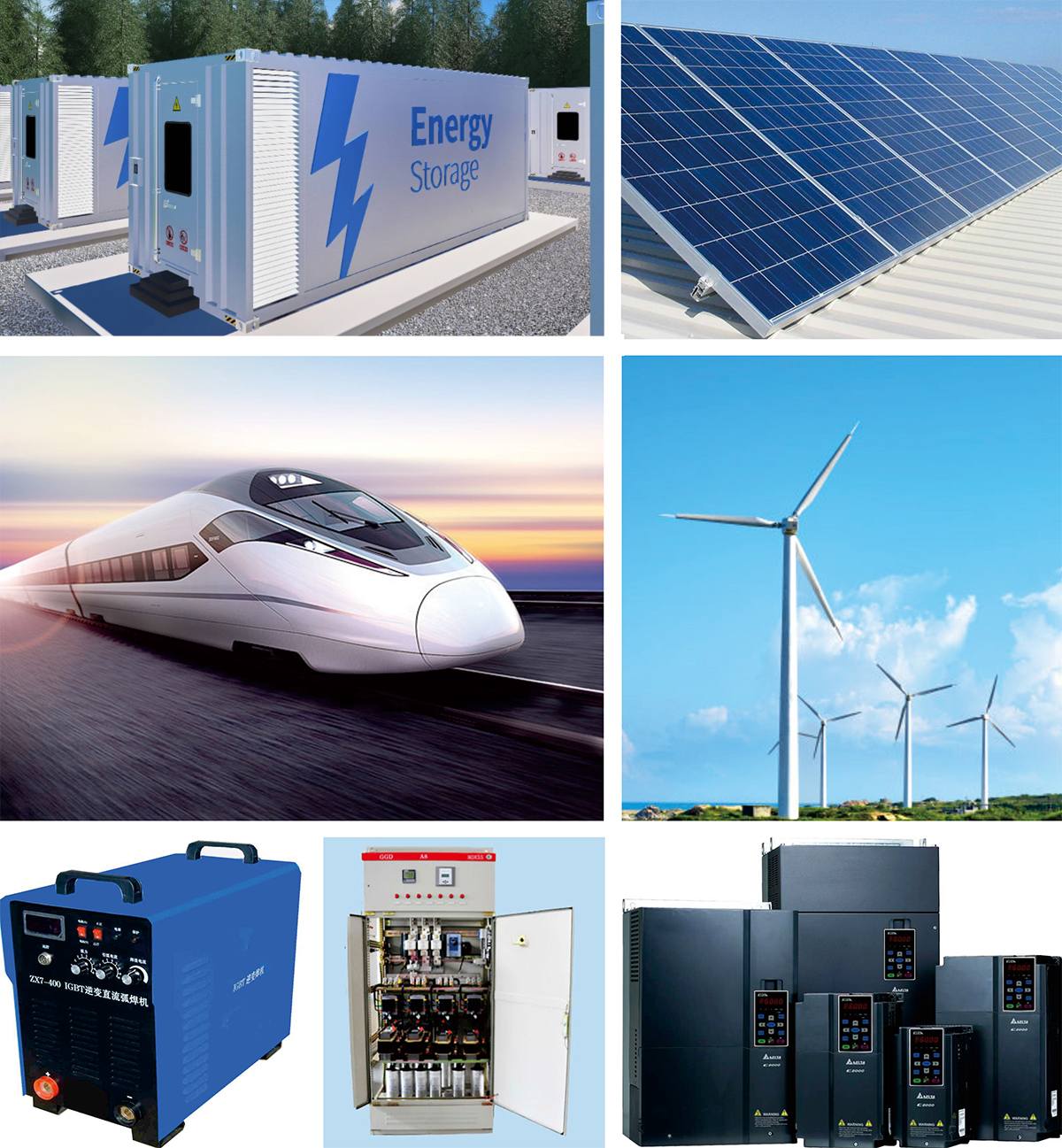
Traditional application areas include home appliances, lighting, communications, industrial control, and rail transportation.
Application scenarios include:
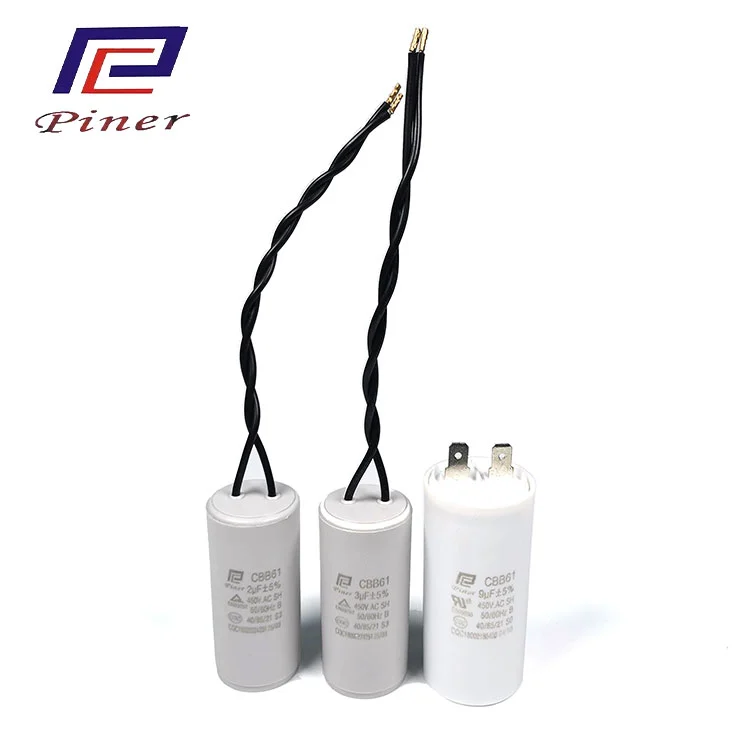
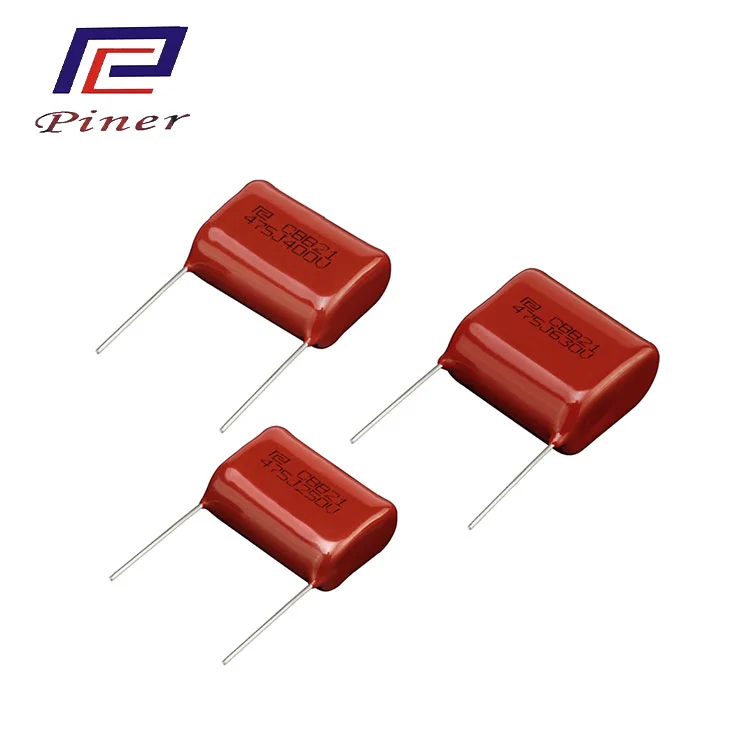
Home appliances (air conditioners, refrigerators, washing machines, etc.): used for motor starting, operation, and power factor correction.
Lighting (LED drivers, ballasts, etc.): used for filtering and electromagnetic interference suppression.
Communication base station power supplies and industrial frequency converters: used for filtering, bypass, and energy storage.
Rail transit traction converters and auxiliary power supplies: used for DC-link and filtering.
The traditional market has relatively lower performance requirements for film capacitors, higher product standardization, lower entry barriers, and more manufacturers, resulting in average gross margins. The total demand in this market is large, but growth is limited and overall remains stable.