Language


I. Advancements in Material Innovation Enhance Transformer Performance
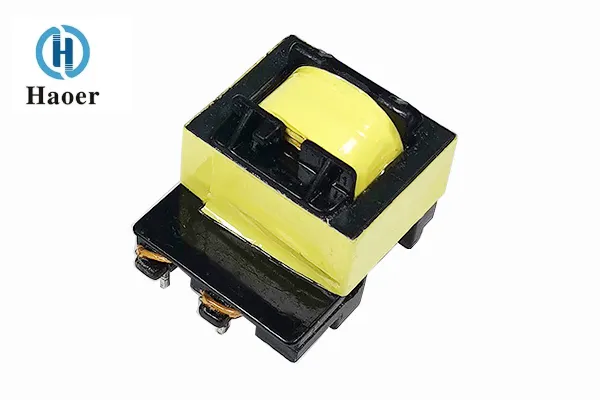
The performance of high-frequency transformers is fundamentally governed by material selection. In recent years, the adoption of advanced magnetic materials—including nanocrystalline and amorphous alloys—has markedly improved transformer efficiency and operational frequency. Owing to their significantly reduced hysteresis and eddy current losses, these materials enable stable and reliable operation at elevated frequencies. Concurrently, innovations in high-performance insulating materials have enhanced dielectric integrity and thermal stability, thereby extending equipment service life and operational reliability.
II. Structural Design Optimization Enabled by Advanced Engineering Tools
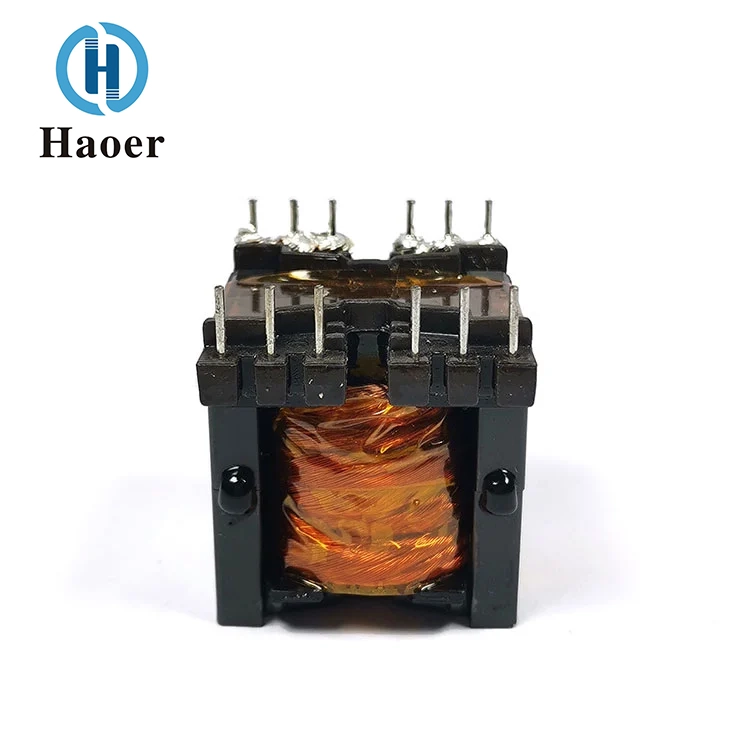
The maturation of computer-aided engineering (CAE) and electromagnetic simulation tools has facilitated increasingly precise and physics-informed structural design. Innovations such as multi-layer printed circuit board (PCB) windings and planar transformer architectures not only minimize physical footprint but also substantially increase power density. Moreover, thermally optimized layouts—incorporating integrated heat spreaders, low-thermal-resistance interfaces, and targeted airflow management—effectively mitigate temperature rise under high-frequency switching conditions, ensuring robust performance in thermally demanding applications.
III. Broadening Application Scope Across Emerging Energy and Communication Systems
High-frequency transformers are experiencing rapid deployment beyond conventional power conversion into strategically significant domains, including electric vehicle traction systems, resonant wireless power transfer, and 5G/6G radio access network infrastructure. Notably, within renewable energy systems, they serve as critical enablers in photovoltaic inverters and wind turbine power converters—supporting high-efficiency AC–DC and DC–AC conversion, galvanic isolation, and grid-synchronization functionality essential for clean energy integration.