Language


Many people mistakenly believe that switching power supplies and traditional power transformers are the same because both convert 220V AC to low-voltage DC. However, they differ significantly in working principle, performance, and application.
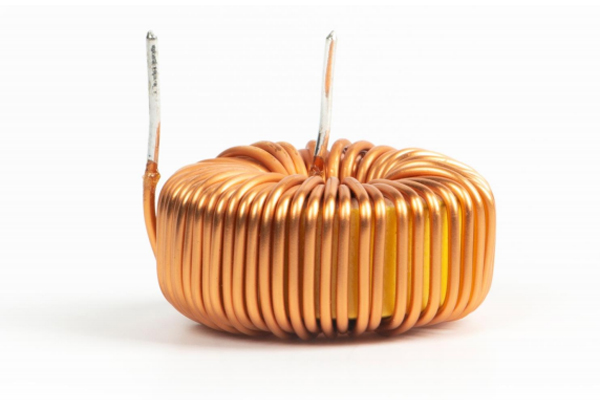
Traditional power transformer (linear power supply): It operates directly at 50/60 Hz mains frequency. Voltage is transformed through electromagnetic induction using an iron core and copper windings. The stepped-down AC is then rectified and filtered to produce DC.
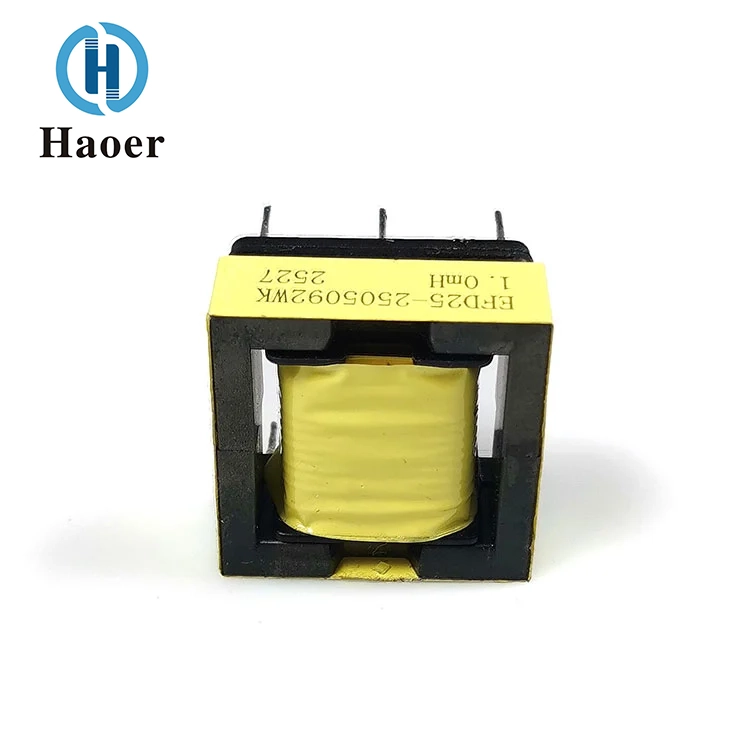
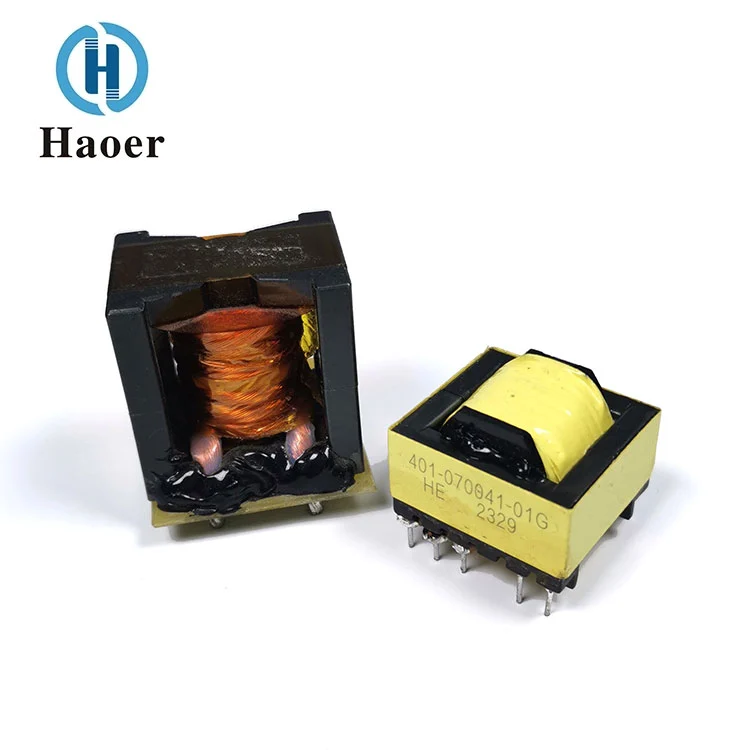
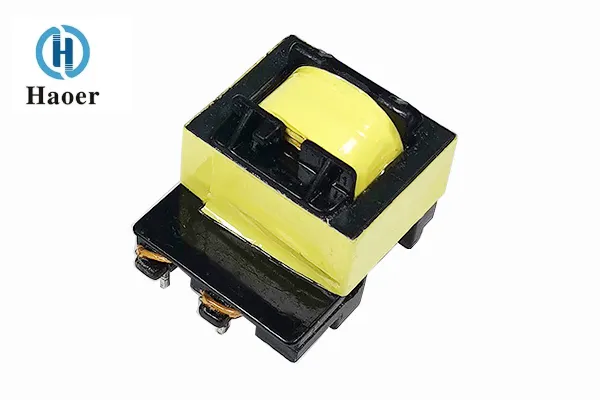
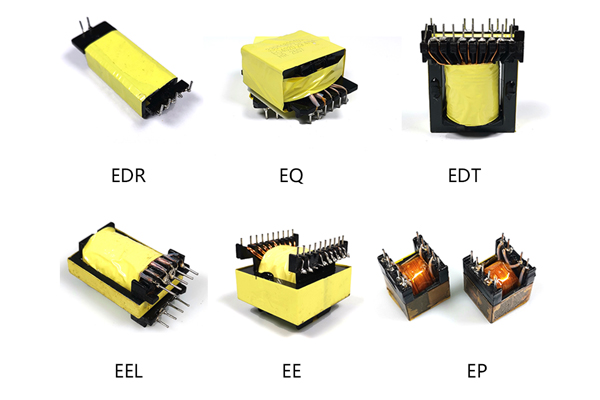
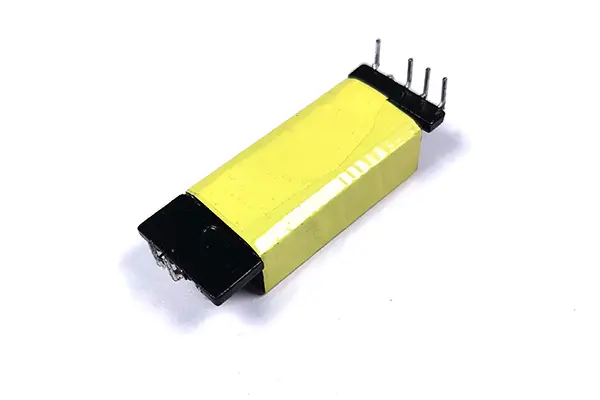
Switching power supply: It first rectifies the input AC to DC, then uses a high-frequency switching transistor (tens of kHz to several MHz) to chop the DC into high-frequency pulses. These pulses pass through a high-frequency transformer for voltage conversion, and are finally rectified and filtered to output stable DC. The high operating frequency greatly reduces the size and weight of the transformer core.
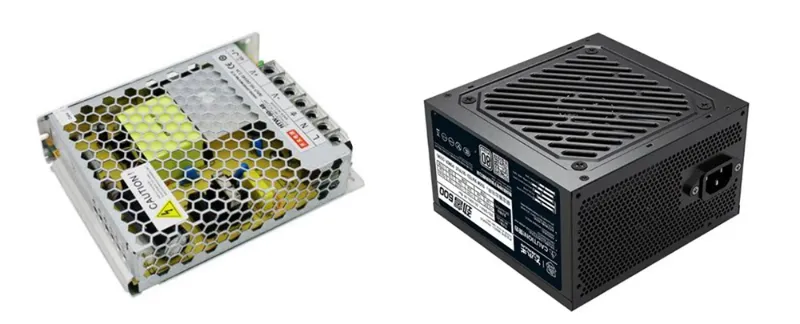
For the same output power, a traditional transformer is 5 to 10 times larger and heavier than a switching power supply. For example, a 100 VA traditional transformer may weigh over 500 grams, while a switching power supply of equivalent power typically weighs tens of grams.
Traditional transformers have an efficiency of 60%–80%, with the remaining energy lost as heat. Switching power supplies generally achieve efficiencies above 85%, and well-designed units can exceed 95%. Thus, switching supplies generate less heat and save more energy.
Traditional transformers produce no high-frequency switching noise. Their output waveform is smooth, and electromagnetic interference (EMI) is very low. This makes them suitable for applications requiring clean power, such as high-fidelity audio and precision measurement instruments.
Switching power supplies generate some EMI and output ripple due to internal high-frequency switching. Good designs incorporate filtering and shielding to control interference, but low-quality units may adversely affect nearby wireless or audio equipment.
Traditional transformers are typically designed for a single nominal input voltage (e.g., 220V ±10%). Changing between different voltage standards (e.g., 110V vs. 220V) requires replacing the transformer or adjusting taps. Switching power supplies often use a wide input range (e.g., 85V–264V), making them universal and more adaptable.
Most consumer electronic products — including phone chargers, router adapters, laptop power supplies, LED drivers, and televisions — now use switching power supplies. Traditional transformers remain only in niche applications requiring low interference or high reliability (e.g., some audio equipment, industrial controls, and repairs of older devices).
In summary, switching power supplies offer superior efficiency, size, weight, and cost compared to traditional transformers, and have become the mainstream technology. Understanding these differences helps in correctly identifying the power supply type in a device and making informed choices during purchase or repair.