Language


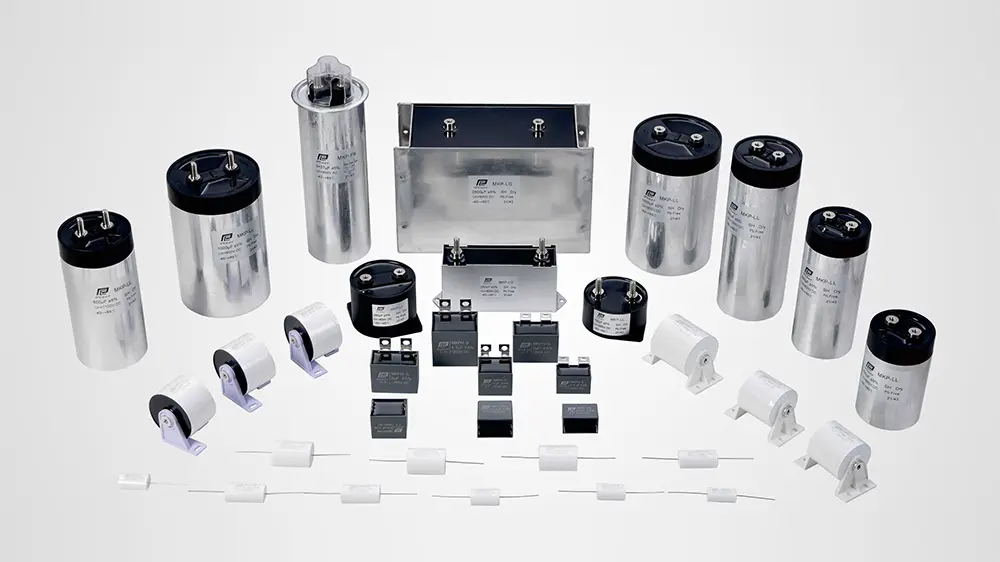
Most people have used capacitors, but not everyone is familiar with their two basic functions: charging and discharging.
1. Charging
Electronic devices generally require electricity to operate. The process of storing electrons in a capacitor is called charging. During charging, one plate of the capacitor becomes positively charged, and the other plate becomes negatively charged with an equal amount of charge. When one plate is connected to the positive terminal of a power source (e.g., a battery) and the other plate to the negative terminal, the two plates acquire equal and opposite charges. After charging, an electric field exists between the two plates. The charging process stores electrical energy from the power source in the capacitor.
2. Discharging
When a charged capacitor is in use, its stored charge gradually decreases. This process is called discharging. For example, connecting the two plates of a charged capacitor with a wire allows the opposite charges to neutralize, releasing the stored charge and electrical energy. After discharging, the electric field between the plates disappears, and the electrical energy is converted into other forms of energy.
In typical electronic circuits, capacitors are used for bypassing, coupling, filtering, oscillation, phase shifting, and waveform shaping. These applications are all derived from the basic functions of charging and discharging.