Language


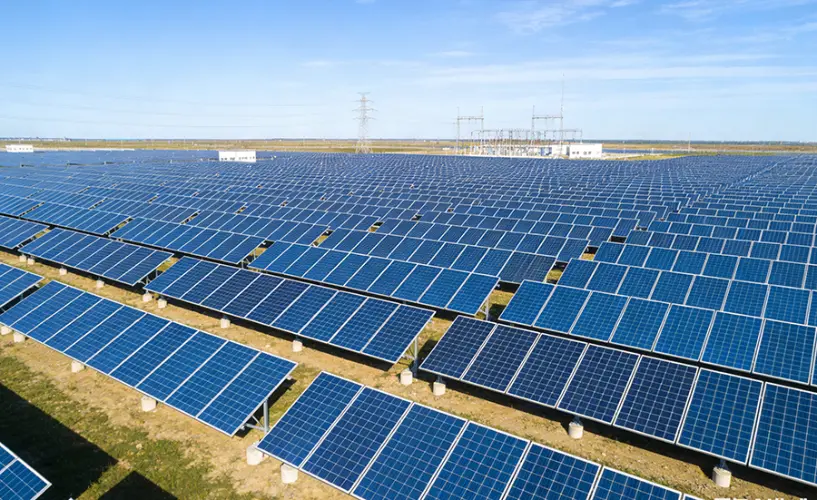
In the current global push for the development of renewable energy, photovoltaic power generation, with its clean and sustainable advantages, has become the main force in the energy transition. The photovoltaic inverter system, as the "bridge" connecting the photovoltaic array and the power grid, its performance directly affects the power generation efficiency and stability, and the high-frequency transformer is the key "component" on this "bridge".
The direct current voltage generated by photovoltaic arrays is relatively low, and what the power grid requires is a higher voltage alternating current. This is like transforming a small stream into a large stream and then sending it into a large pipeline. The high-frequency transformer is like a magical "converter", after the inverter converts the direct current into high-frequency alternating current, it can increase the voltage to a level suitable for grid connection. Moreover, it can also isolate the DC side and the AC side, like building a "firewall" between them, preventing faults on the DC side from "spreading" to the AC side, significantly improving the safety and reliability of the system.
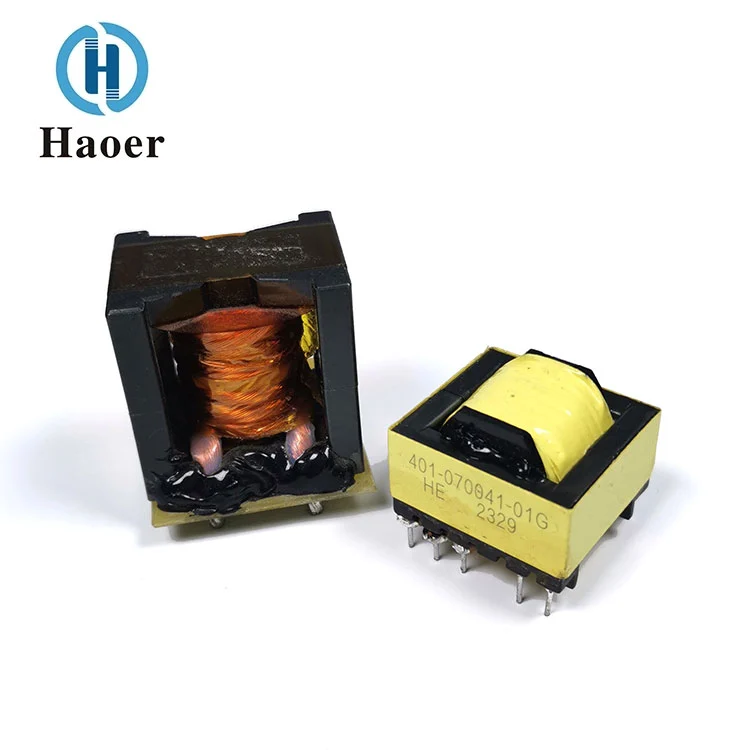
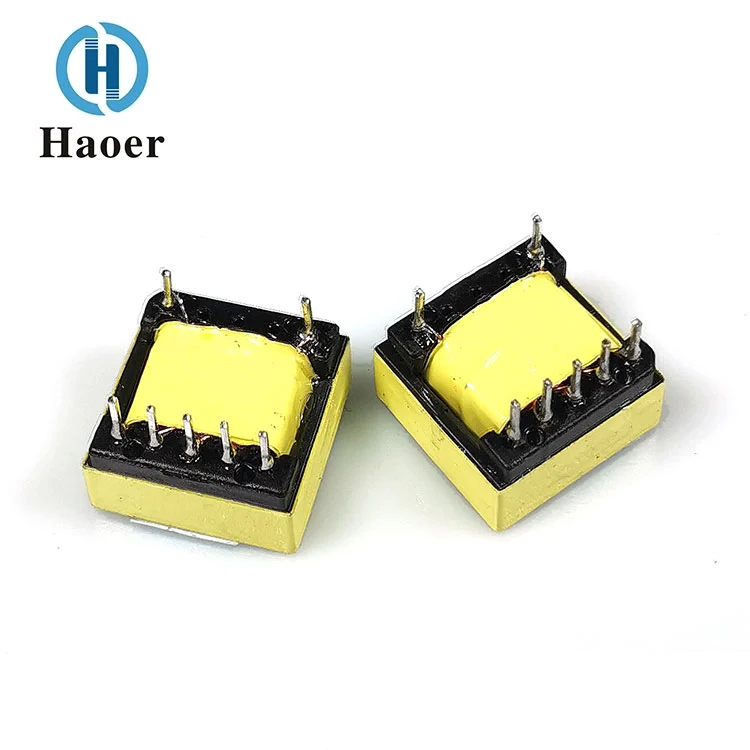
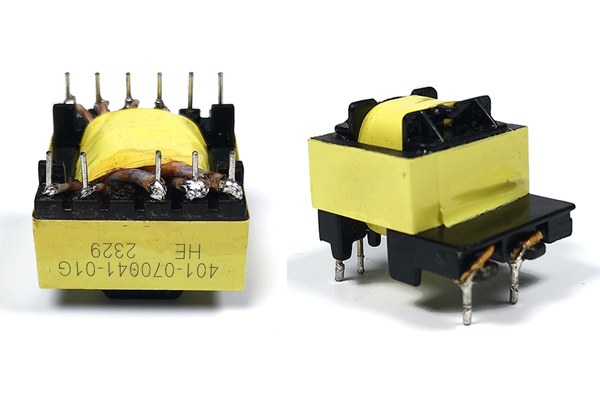
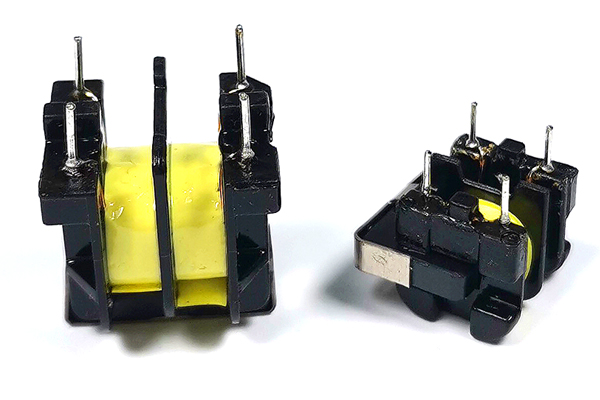
Compared with traditional power-frequency transformers, high-frequency transformers have many advantages. It is like a "tiny spirit", operating in a high-frequency state, with a more compact magnetic core and winding design, and significantly reduced volume and weight. This not only saves material costs but also makes system integration and installation easier, especially suitable for areas with limited space. At the same time, its efficiency is extremely high, with low energy loss, allowing more electrical energy to be smoothly transmitted, improving the overall power generation efficiency of the photovoltaic system and helping users earn more money. Additionally, its dynamic response capability is very strong, like an agile athlete, able to quickly adapt to changes in light, ensuring stable power output from the system.
Designing a high-frequency transformer is not an easy task. Many factors need to be considered. The magnetic core material is like the "heart" of the transformer. It should be selected for its high magnetic permeability, low loss, and good thermal stability. Materials such as ferrite and nanocrystals are common "excellent candidates". The winding design should reduce leakage inductance and copper loss, just like reducing leaks and resistance in water pipes. At the same time, it must ensure sufficient insulation strength to prevent the risk of "electric leakage". Thermal design is also crucial. When the transformer is working, it will generate heat. It is necessary to reasonably layout the heat dissipation channels and use "cooling tools" such as heat sinks and fans to keep it "calm". There is also electromagnetic compatibility. It should not cause electromagnetic interference that affects other devices. Shielding and circuit layout must be done well.
In actual photovoltaic inverter systems, high-frequency transformers are widely used. In two-stage inverters, they are located between the DC-DC boost stage and the DC-AC inverter stage. They first upgrade the voltage and then perform electrical isolation. In some photovoltaic systems that aim for high efficiency, they work in conjunction with soft-switching technology. The soft-switching technology makes the switching process smoother, reduces losses, and the high-frequency transformer further enhances efficiency, making power generation more cost-effective. With the rise of modular photovoltaic inverters, high-frequency transformers have also become modular, just like building blocks, facilitating system expansion and maintenance.
The application of high-frequency transformers in photovoltaic inverter systems has improved the system performance, increased efficiency, made the system smaller and reduced costs. With the continuous emergence of new materials and technologies, the performance of high-frequency transformers will continue to be optimized. In the future, photovoltaic systems will have increasingly higher requirements for efficiency and reliability. The design and manufacturing of high-frequency transformers will face new challenges, but there will also be more innovation opportunities. I believe that through continuous technological innovation, high-frequency transformers will play a greater role in photovoltaic inverter systems, promoting photovoltaic power generation technology to a new level and contributing more to our green future.