Language


Modern electronic devices demand high-speed switching, stable voltage regulation, low power loss, and long-term reliability. A System Switching Module Capacitor plays a critical role in ensuring efficient power delivery and signal stability across industrial automation, telecommunications, automotive electronics, renewable energy systems, and consumer devices. This article explores how these capacitors work, why they matter, how to choose the right solution, and what buyers should consider before sourcing components for advanced applications.
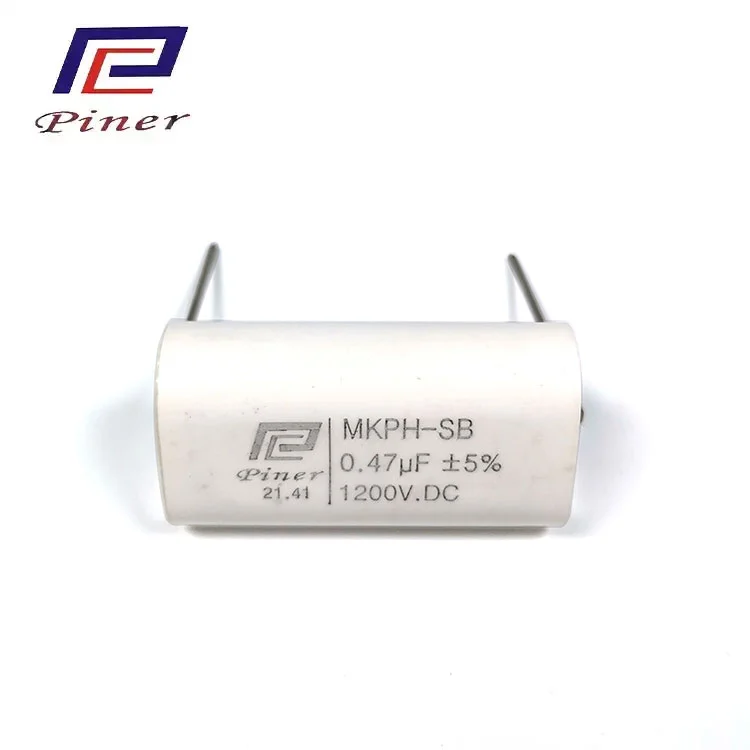
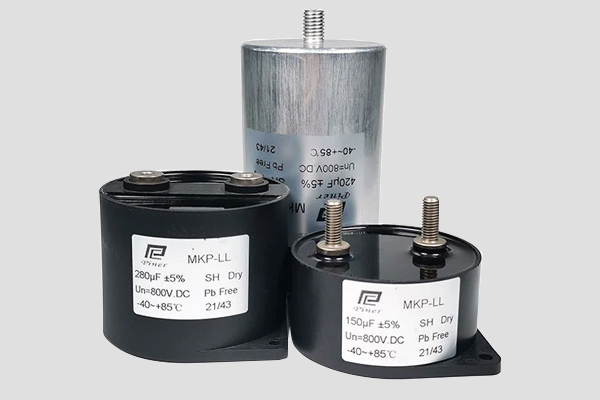
A System Switching Module Capacitor is more than a passive electronic component. It acts as a stabilizer, filter, energy storage unit, and protection mechanism inside modern electronic systems. Without reliable capacitors, switching modules may experience voltage fluctuations, overheating, electromagnetic interference, shortened lifespan, and unstable performance.
This comprehensive guide explains the functions, applications, materials, technical parameters, selection methods, common problems, and future trends of System Switching Module Capacitors. Whether you are an engineer, purchasing manager, OEM manufacturer, or system integrator, this article provides practical insights to help you improve product performance and operational reliability.
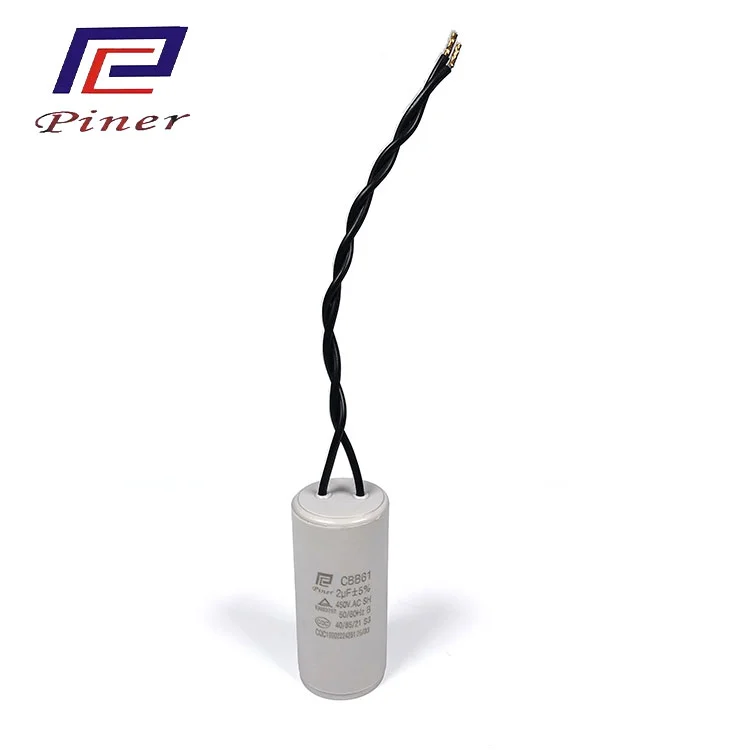
A System Switching Module Capacitor is a capacitor specifically designed to support switching circuits and power modules. These capacitors help manage voltage transitions, suppress noise, stabilize current flow, and store temporary electrical energy during switching operations.
In modern electronic systems, switching frequencies are becoming increasingly high. As frequencies increase, electrical systems become more vulnerable to ripple current, voltage spikes, and electromagnetic interference. Capacitors solve these issues by rapidly charging and discharging energy whenever the system requires immediate electrical compensation.
They are commonly integrated into:
Switching systems operate by rapidly turning electrical current on and off. This process creates electrical stress, sudden voltage fluctuations, and high-frequency noise. Without capacitors, these fluctuations could damage sensitive electronic components or reduce overall system efficiency.
Capacitors act as temporary energy reservoirs that immediately compensate for power instability. They ensure smoother operation by:
In high-performance systems, capacitor quality directly impacts reliability, efficiency, and operational lifespan.
| Function | Description |
|---|---|
| Energy Storage | Stores temporary electrical energy for fast discharge during load changes. |
| Voltage Stabilization | Maintains stable output voltage during switching operations. |
| Noise Filtering | Suppresses high-frequency electromagnetic interference. |
| Ripple Reduction | Minimizes AC ripple generated by switching frequencies. |
| Transient Protection | Protects components from voltage spikes and surges. |
Ceramic capacitors are widely used for high-frequency filtering due to their low ESR and excellent temperature performance.
Electrolytic capacitors provide large capacitance values and are commonly used in power supply filtering applications.
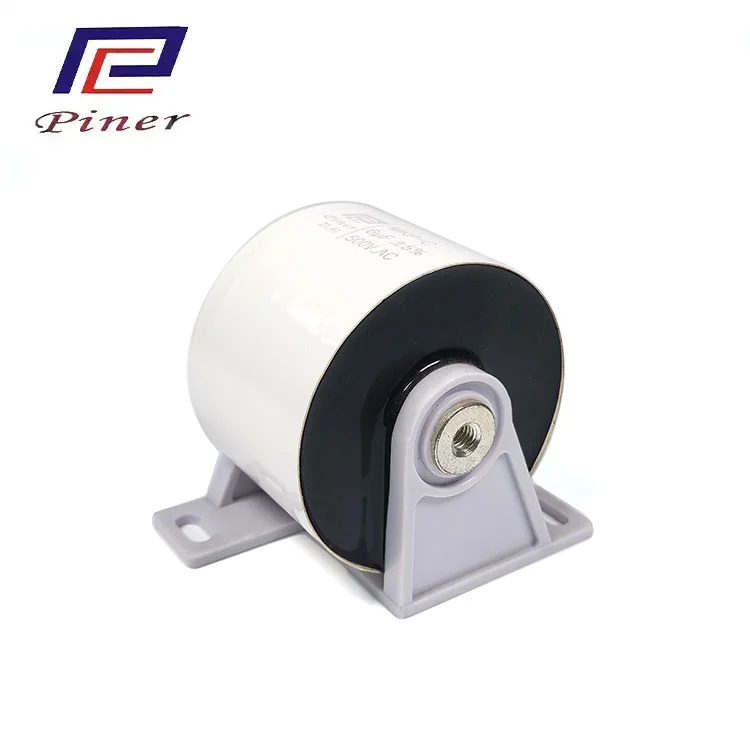
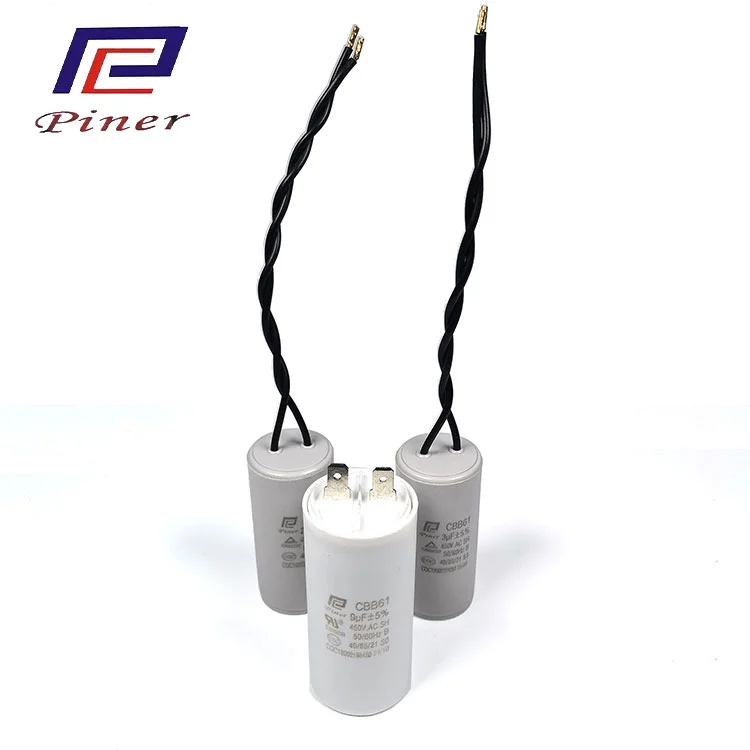
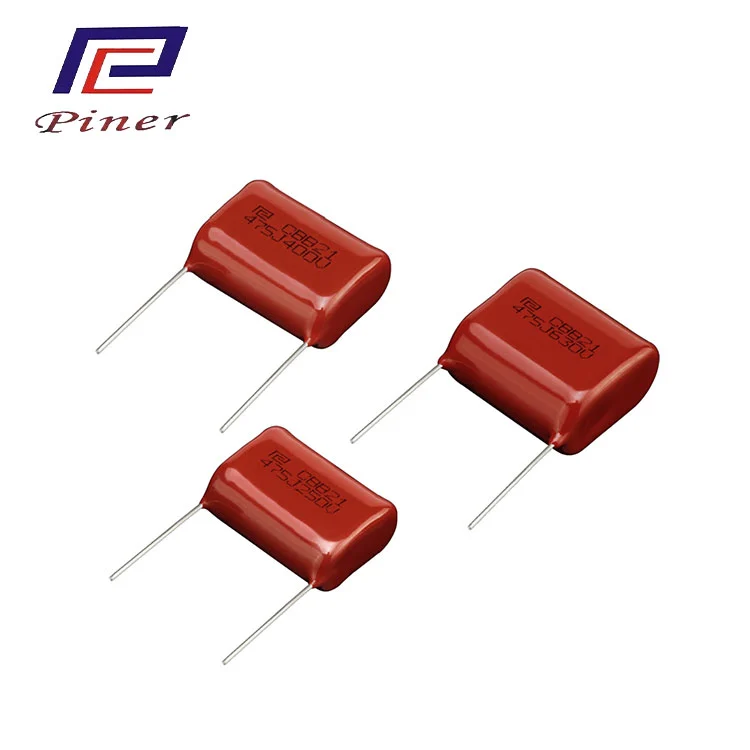
Film capacitors offer outstanding stability, long lifespan, and high voltage resistance for industrial environments.
Tantalum capacitors are compact and reliable, making them suitable for miniaturized electronic products.
Selecting the correct capacitor requires understanding several critical specifications.
| Parameter | Importance |
|---|---|
| Capacitance | Determines energy storage capability. |
| Voltage Rating | Indicates maximum operating voltage. |
| ESR | Lower ESR improves efficiency and reduces heat. |
| Ripple Current | Defines current handling capacity. |
| Temperature Range | Ensures reliable operation under extreme conditions. |
| Lifetime | Impacts long-term reliability. |
System Switching Module Capacitors are used across multiple industries because of their ability to improve energy stability and operational reliability.
Choosing the correct System Switching Module Capacitor requires careful evaluation of system requirements.
Always select capacitors with voltage ratings higher than the actual operating voltage to maintain safety margins.
High ripple current applications require capacitors designed for efficient thermal performance.
Industrial environments may expose capacitors to high temperatures, humidity, and vibration.
Long-life capacitors reduce maintenance costs and improve operational stability.
| Problem | Cause | Solution |
|---|---|---|
| Overheating | High ripple current | Use low ESR capacitors |
| Capacitance Loss | Aging or heat exposure | Select high-temperature models |
| Voltage Breakdown | Overvoltage stress | Increase voltage rating margin |
| Noise Problems | Improper filtering | Optimize capacitor placement |
| Material | Advantages | Limitations |
|---|---|---|
| Ceramic | Low ESR, high-frequency stability | Lower capacitance values |
| Electrolytic | Large capacitance | Limited lifespan |
| Film | Excellent durability | Larger physical size |
| Tantalum | Compact design | Higher cost |
Heat is one of the biggest enemies of capacitor performance. High operating temperatures accelerate electrolyte evaporation, increase ESR, and reduce lifespan.
Proper thermal management strategies include:
Efficient heat dissipation significantly improves capacitor reliability and long-term system stability.
Proper PCB design directly affects capacitor efficiency and overall switching system performance.
A carefully designed PCB layout can reduce EMI problems and improve energy transfer efficiency.
Professional manufacturers conduct multiple reliability tests to ensure capacitor quality.
| Test Type | Purpose |
|---|---|
| Temperature Cycling | Evaluates thermal durability |
| Vibration Testing | Assesses mechanical reliability |
| Humidity Testing | Measures moisture resistance |
| Load Life Testing | Simulates long-term operation |
The future of System Switching Module Capacitors is driven by miniaturization, energy efficiency, and high-frequency applications.
Emerging trends include:
As electronic systems become more intelligent and compact, capacitor technology will continue evolving to meet higher performance demands.
Partnering with an experienced capacitor manufacturer provides significant advantages for OEMs and industrial buyers.
Guangdong Haoer Electronics Co., Ltd. focuses on delivering reliable capacitor solutions for industrial and commercial electronic systems. With continuous innovation and strict manufacturing standards, the company supports customers seeking high-performance switching module capacitor solutions for demanding applications.
ESR stands for Equivalent Series Resistance. Lower ESR improves efficiency, reduces heat generation, and enhances high-frequency performance.
Switching systems generate voltage ripple and electromagnetic noise. Capacitors stabilize voltage and suppress interference.
Lifespan depends on operating temperature, ripple current, voltage stress, and capacitor quality. High-grade industrial capacitors can operate reliably for many years.
Ceramic capacitors are commonly preferred for high-frequency filtering because of their low ESR and fast response characteristics.
Yes. Proper capacitor selection reduces energy loss, improves power stability, and enhances conversion efficiency.
System Switching Module Capacitors are fundamental components in modern electronic systems. Their ability to stabilize voltage, filter noise, manage energy flow, and improve efficiency makes them indispensable across industrial, automotive, telecommunications, renewable energy, and consumer electronics applications.
As electronic systems continue moving toward higher power density and faster switching frequencies, selecting reliable capacitors becomes increasingly important. High-quality components not only improve performance but also reduce maintenance costs and extend equipment lifespan.
Guangdong Haoer Electronics Co., Ltd. is ready to provide professional support, customized solutions, and stable product supply for your switching module applications.
Contact us today to discuss your requirements and discover dependable capacitor technologies designed for modern electronic systems.