Language


Welding capacitors are crucial components in modern welding systems, ensuring stable arc performance, energy efficiency, and safety. This article explores their types, functions, applications, maintenance tips, and common issues, providing comprehensive insights for manufacturers, technicians, and hobbyists. By understanding welding capacitors, you can optimize your welding operations and prolong equipment lifespan.
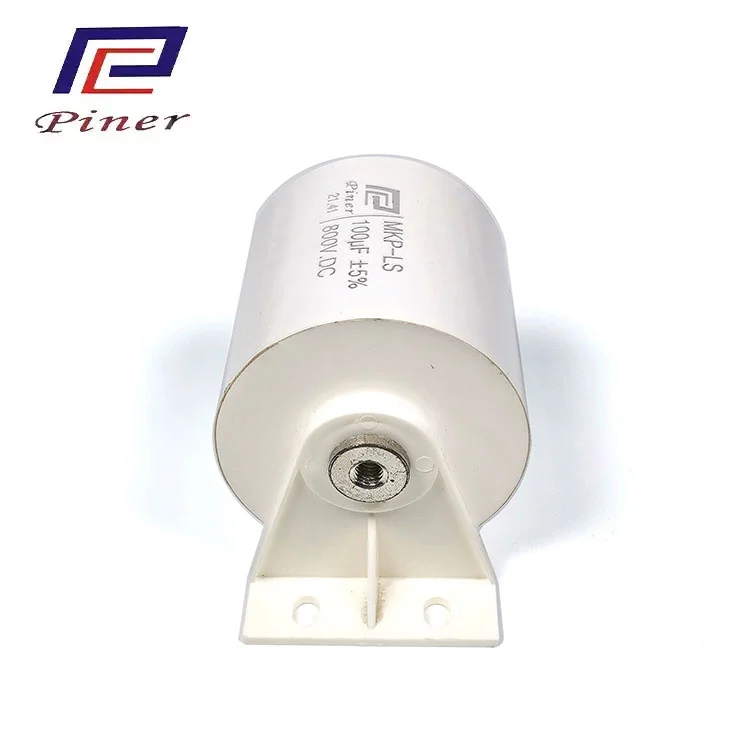
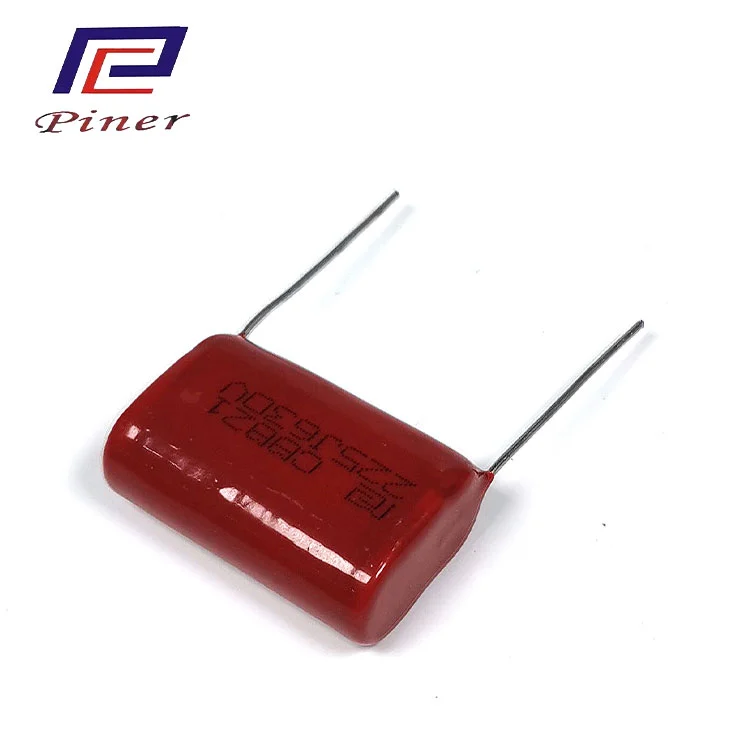
Welding capacitors are electrical components designed to store and release energy in welding circuits. They play a critical role in stabilizing voltage, controlling arc behavior, and improving overall welding quality. Without these capacitors, welds can be inconsistent, machines may overheat, and operational efficiency can drop significantly.
In recent years, as welding technology has advanced, capacitors have become increasingly sophisticated. Modern capacitors can handle high currents, provide rapid discharge for pulsed welding, and are built to withstand extreme industrial conditions.
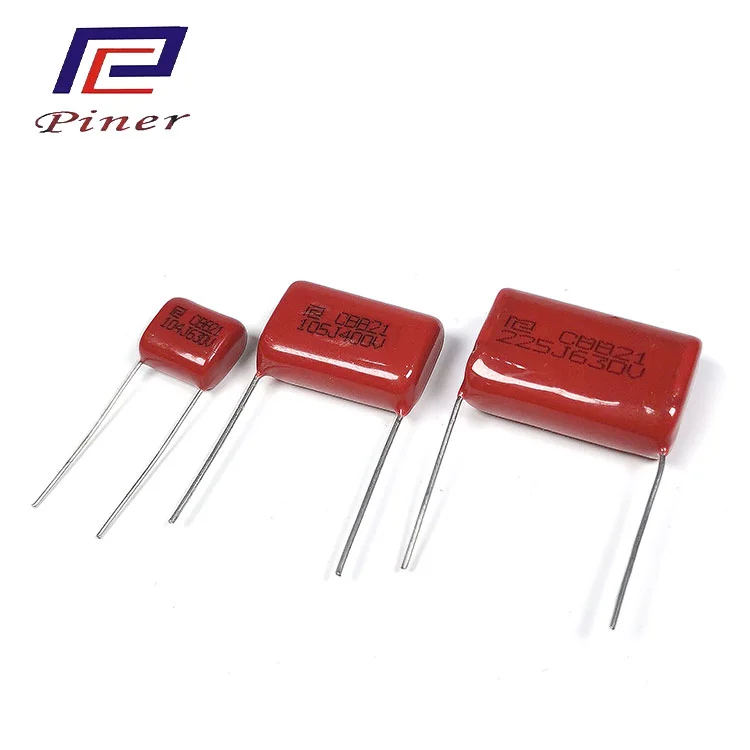
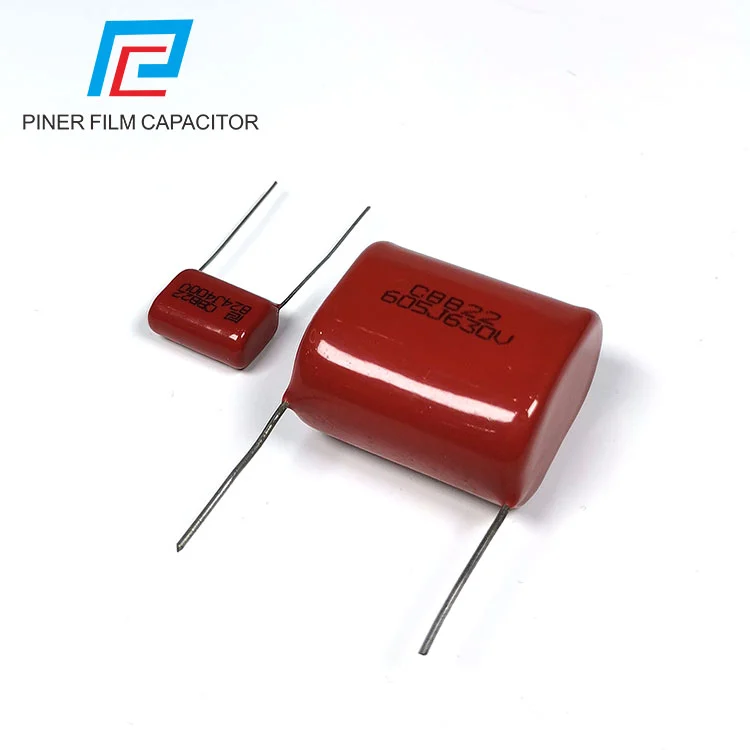
Understanding the different types of welding capacitors is key to selecting the right one for your system. The most common types include:
Each type has unique characteristics, which can be compared in the table below:
| Type | Voltage Rating | Frequency Handling | Durability | Best Use Case |
|---|---|---|---|---|
| Electrolytic | Up to 600V | Low to Medium | Moderate | DC Welding Machines |
| Ceramic | Up to 1kV | High | High | High-Frequency or Pulse Welding |
| Film | Up to 1.5kV | Medium | Very High | AC Welding Systems |
Welding capacitors serve multiple functions that directly impact welding quality and machine performance:
These functions result in tangible benefits such as smoother welds, reduced spatter, increased machine lifespan, and lower operational costs.
Welding capacitors are widely used across various industrial sectors. Common applications include:
By choosing the right capacitor type and rating, manufacturers can optimize productivity and maintain consistent welding quality across different tasks.
Selecting the proper welding capacitor requires consideration of several factors:
Consulting manufacturer datasheets and understanding the specific needs of your welding setup are critical steps to avoid machine failure and improve efficiency.
Proper maintenance extends the life of welding capacitors and ensures consistent welding performance. Key maintenance tips include:
Common issues include:
Q1: Can welding capacitors be used interchangeably between AC and DC systems?
A: No. AC and DC systems have different requirements. Using the wrong type can lead to overheating and failure.
Q2: How long does a welding capacitor typically last?
A: Lifespan varies based on type, usage, and environmental conditions. Film capacitors can last 10+ years, while electrolytic may require replacement every 3–5 years.
Q3: What causes a capacitor to fail prematurely?
A: Common causes include voltage spikes, overheating, poor ventilation, and manufacturing defects.
Q4: Is it possible to test welding capacitors without specialized equipment?
A: Basic testing can be done with a multimeter for capacitance and resistance, but precise evaluation requires an LCR meter or professional testing setup.
Welding capacitors are indispensable components for any welding operation, ensuring stability, efficiency, and safety. By understanding their types, applications, and maintenance needs, operators can optimize their welding systems and avoid costly downtime. Selecting the correct capacitor and adhering to proper maintenance practices guarantees smooth, high-quality welds across various industries.
For reliable welding capacitors and technical support, trust Guangdong Haoer Electronics Co., Ltd.. Contact us today to find the perfect capacitor for your welding needs.