Language


In today's rapidly advancing technological era, the importance of high-frequency transformers as a key electronic component is undeniable. Whether in consumer electronics, communication equipment, or new energy vehicles, high-frequency transformers can be found. This article discusses some applications of high-frequency transformers and their future development prospects.
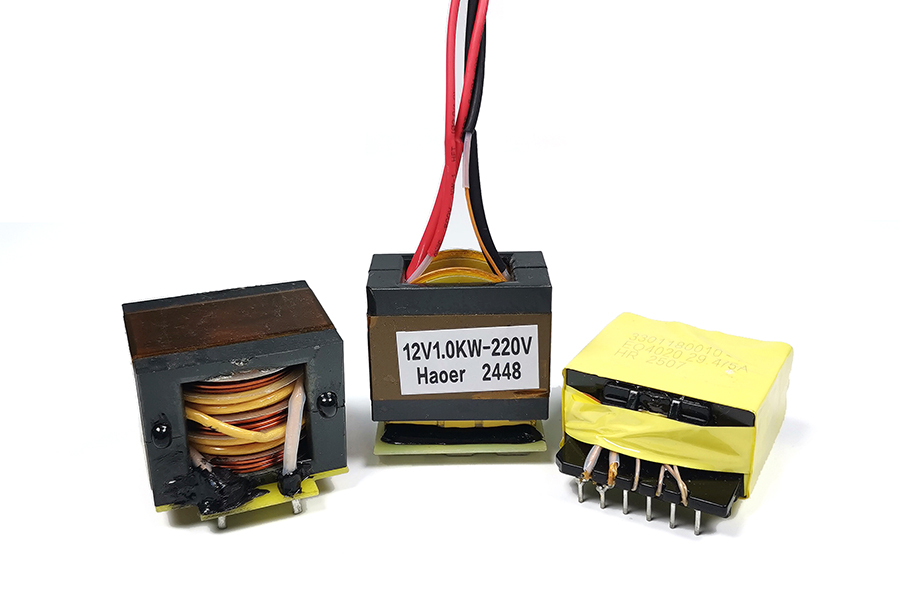
Basic Concept of High-Frequency Transformers
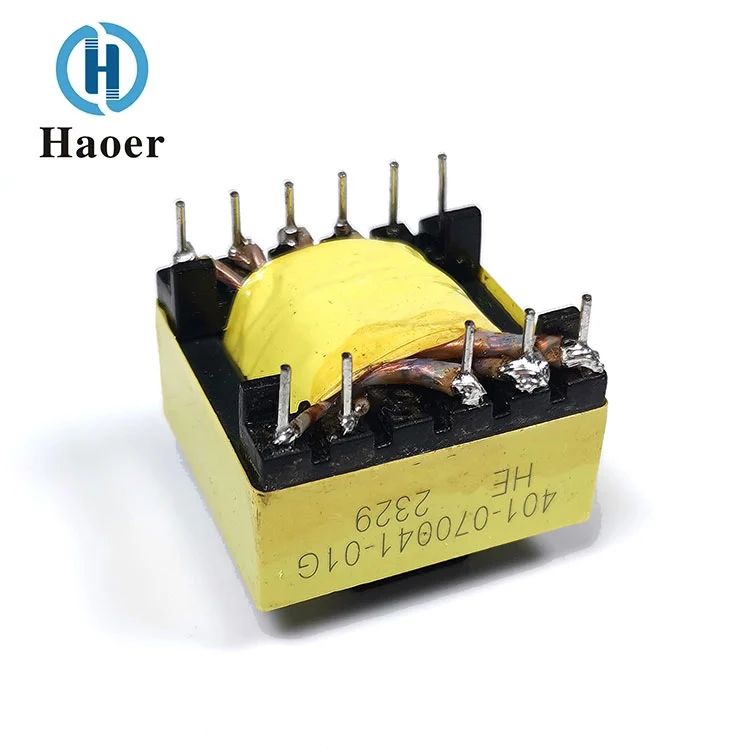
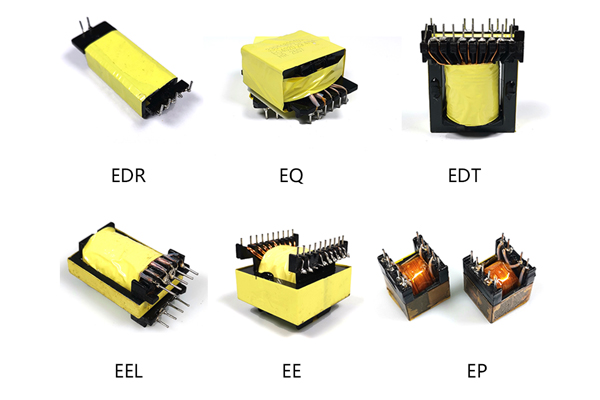
First, what is a high-frequency transformer? Simply put, a high-frequency transformer is a transformer capable of operating at high frequencies, typically ranging from several kilohertz to several megahertz. Its main functions are voltage conversion and signal transmission. Due to their small size and high efficiency, more and more high-frequency transformers are being used in various electronic devices.
Wide Applications of High-Frequency Transformers
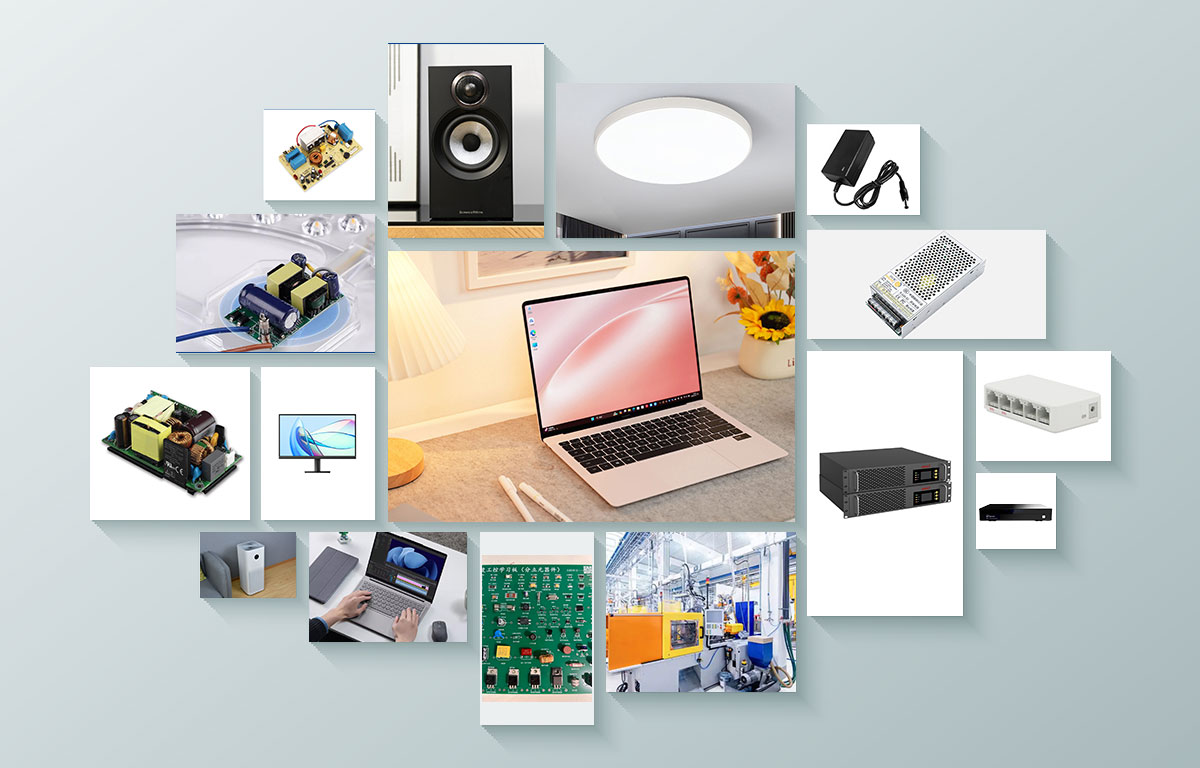
The application fields of high-frequency transformers are extremely broad. For example, in electronic products, they are widely used in switching power supplies, which are compact and energy-efficient, making them popular among consumers. In the communication field, especially in wireless communication equipment, high-frequency transformers also play an indispensable role. They help improve signal transmission quality, ensuring smooth daily communication.
Support for New Energy Vehicles
With increasing environmental awareness, the adoption of new energy vehicles is accelerating. The application of high-frequency transformers in electric vehicles provides a better power system. By optimizing the conversion efficiency of electrical energy, high-frequency transformers can effectively extend the driving range of electric vehicles, becoming an important force in promoting the development of new energy vehicles.
Technological Innovations in High-Frequency Transformers
In today's rapidly developing technological landscape, innovation is key to advancing high-frequency transformers. In recent years, many companies have begun researching new materials to improve the operating efficiency and durability of high-frequency transformers. For example, the use of ferrite materials enables high-frequency transformers to operate stably at higher frequencies, meeting the high-efficiency demands of modern electronic devices.
Future Development Trends
Looking ahead, the development prospects for high-frequency transformers remain broad. With the rollout of 5G technology and the spread of smart homes, the demand for high-frequency transformers will continue to grow. It can be anticipated that future high-frequency transformers will not only have better performance but also move toward intelligent and modular design. This approach can both improve production efficiency and reduce costs.
Conclusion
In summary, the role of high-frequency transformers in modern technology is significant. They have not only driven innovation in electronic products but also brought convenience to our daily lives. With continuous technological progress, high-frequency transformers are expected to demonstrate their capabilities in even more fields, making them worth anticipating.