Language


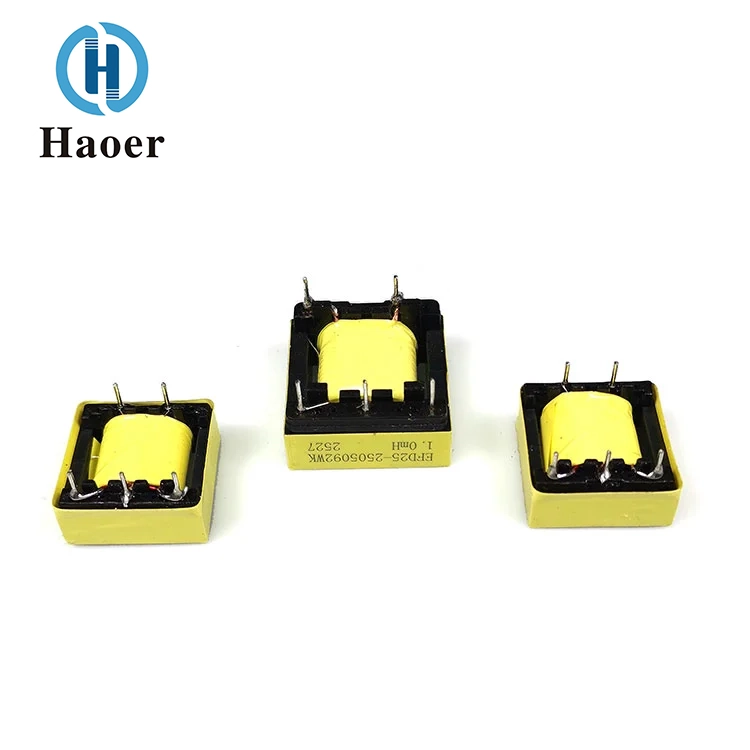
With the rapid development of power electronics technology, new energy technology and communication technology, the application scenarios of high-frequency transformers have been continuously expanding. They have extended from the traditional switching power supply field to multiple high-end fields such as AI data centers, new energy, 5G communication, and vehicle-mounted electronics. Their core advantages of miniaturization, high efficiency, and rapid response have made them indispensable core components in various efficient energy conversion systems. At the same time, reasonable selection and proper use are also crucial for fully leveraging their performance and extending their service life.
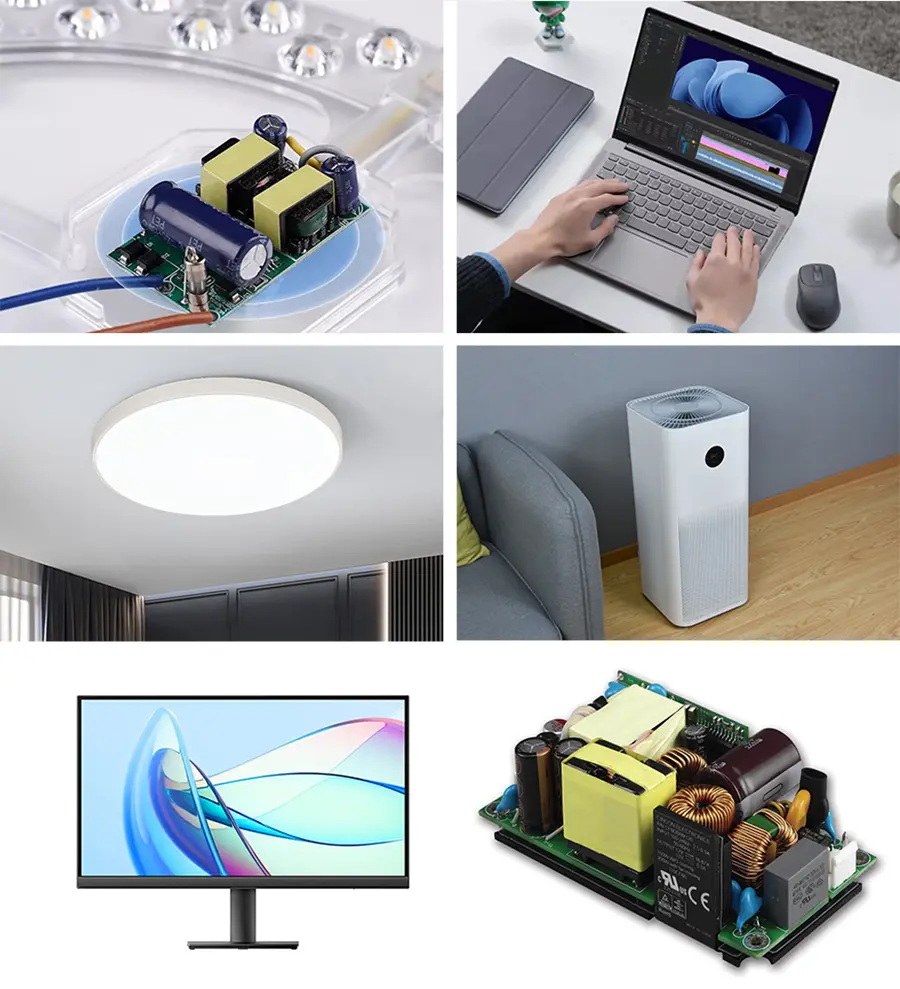
In the field of switching power supplies, high-frequency transformers are the core components and are widely used in devices such as computer/mobile phone chargers, server power supplies, and LED driving power supplies. Due to their high-frequency operation, the volume and weight of the transformers can be significantly reduced, the power density can be increased, and copper loss and iron loss can be decreased. The efficiency can typically reach over 90%, perfectly meeting the requirements of portable electronic devices and miniaturized power supplies. For example, the miniaturization of mobile phone chargers is mainly attributed to the application of high-frequency transformers, which increase the operating frequency to several tens of kHz or even MHz levels, significantly reducing the size of the charger and making it more portable.
The fields of new energy and power electronics are important application scenarios for high-frequency transformers, mainly including photovoltaic inverters and electric vehicle charging stations. In photovoltaic inverters, high-frequency transformers are used to achieve electrical isolation and voltage boosting, converting the DC electricity output from solar panels into AC electricity that can be connected to the grid. Their advantages of miniaturization and lightweighting are suitable for the installation requirements of distributed photovoltaic power stations. In electric vehicle charging stations, high-frequency transformers are applied in the DC-DC conversion module to achieve high-voltage isolation (such as 400V-800V), meeting the strict requirements of the vehicle-mounted environment for volume, weight and efficiency, and helping to improve the charging efficiency of electric vehicles.
In the field of communication and electronic equipment, high-frequency transformers are mainly used in RF circuits and DC-DC modules, such as impedance matching and signal isolation for base station amplifiers, as well as power supply for 5G equipment and optical modules. Due to their ability to effectively suppress common-mode noise and ensure signal integrity, high-frequency transformers can meet the development requirements of 5G communication for high-frequency and miniaturization, providing a guarantee for the stable operation of communication equipment. Moreover, in AI data centers, high-frequency transformers, as the core component of solid-state transformers, support the evolution of high-power density power supply architectures, significantly shortening the power supply link and improving power supply efficiency, providing reliable power support for the stable operation of AI equipment.
During the usage process, the following points need to be noted to avoid malfunctions and extend the service life:
1. Strictly control the working parameters. Do not exceed the rated voltage and current for use. Avoid saturation of the magnetic core and sudden increase in current, which may cause overheating and burnout;
2. Ensure that the working frequency is within the designed range. A decrease in frequency may lead to magnetic core saturation, while an increase in frequency will intensify iron loss and high-frequency loss of the windings;
3. Conduct temperature monitoring to ensure that the working temperature is below the limit of the insulation system, avoiding aging of the insulation materials;
4. Prevent direct current bias. In full-bridge and half-bridge circuits, through circuit design or control strategies, avoid magnetic core saturation caused by asymmetric drive voltage;
5. Pay attention to environmental protection. Avoid moisture, conductive dust and corrosive chemical substances. Before using after long-term storage, you can perform low-temperature aging or gradually load voltage to stabilize the performance.
In addition, the installation and processing of high-frequency transformers also require special attention: during installation, they must be firmly fixed to prevent wear of the coils or breakage of the pins due to vibration; during winding, the insulation distance must be ensured to meet safety regulations; vacuum impregnation treatment can enhance mechanical strength, improve heat dissipation and moisture-proof performance; when soldering the pins, avoid overheating to prevent solder from penetrating the coils or burning the insulation layer. In the testing and verification process, it is necessary to focus on detecting inductance, leakage inductance, turns ratio, insulation withstand voltage, etc.