Language


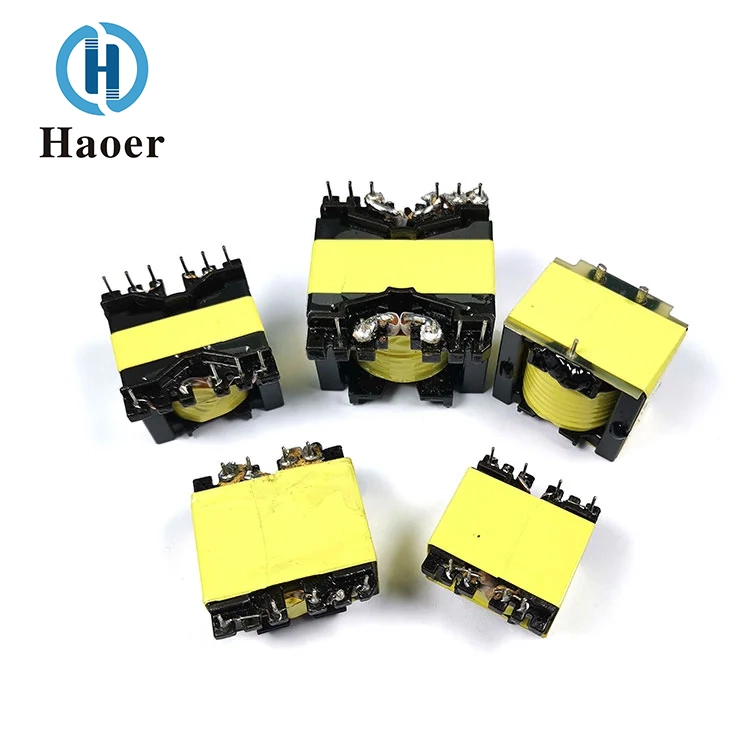
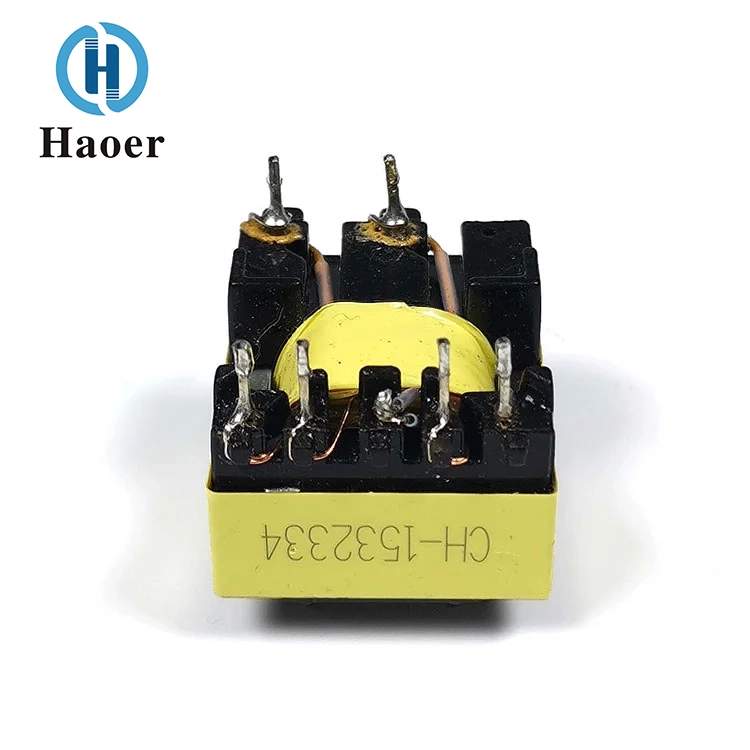
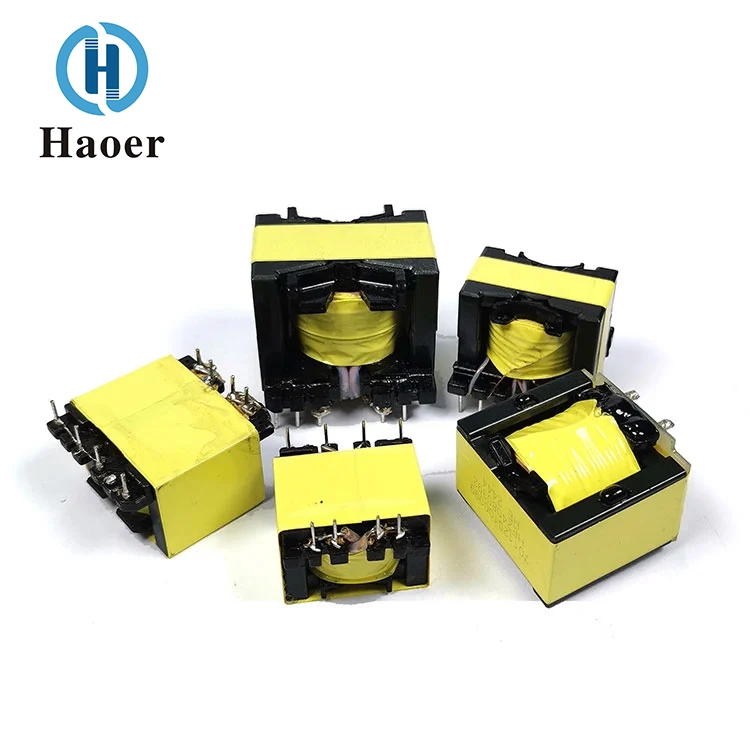
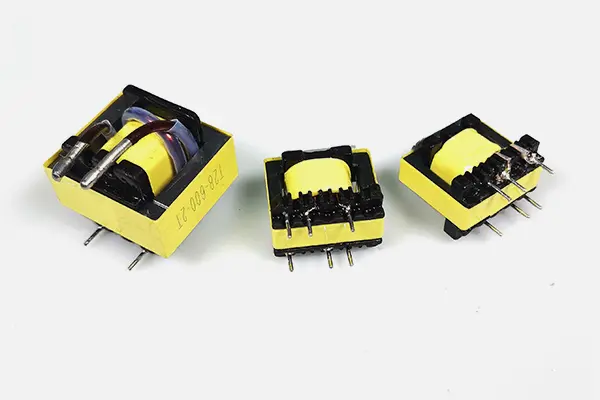
The high-frequency transformer, as the "heart" of the switching power supply, undertakes three crucial tasks: energy transmission, voltage conversion, and electrical isolation. Its performance directly affects the efficiency, size, and EMI level of the power supply. This article will, based on application scenarios, analyze the core selection techniques.
The core role of high-frequency transformers in switching power supplies
Energy transfer hub: Through the coupling of the magnetic core and the winding, the DC pulse energy is efficiently transmitted to the secondary. Compared to the power frequency transformer, the high-frequency design can reduce the volume by up to 70%
Electrical isolation barrier: The insulation layer between the primary and secondary windings is designed to meet safety standards and to block common-mode interference. The common isolation voltage requirements are typically 1.5kV - 4kV.
Voltage conversion controller: Achieves precise voltage reduction/boosting by adjusting the turns ratio. For example, in the flyback topology, a turns ratio error exceeding 5% may cause fluctuations in the output voltage.
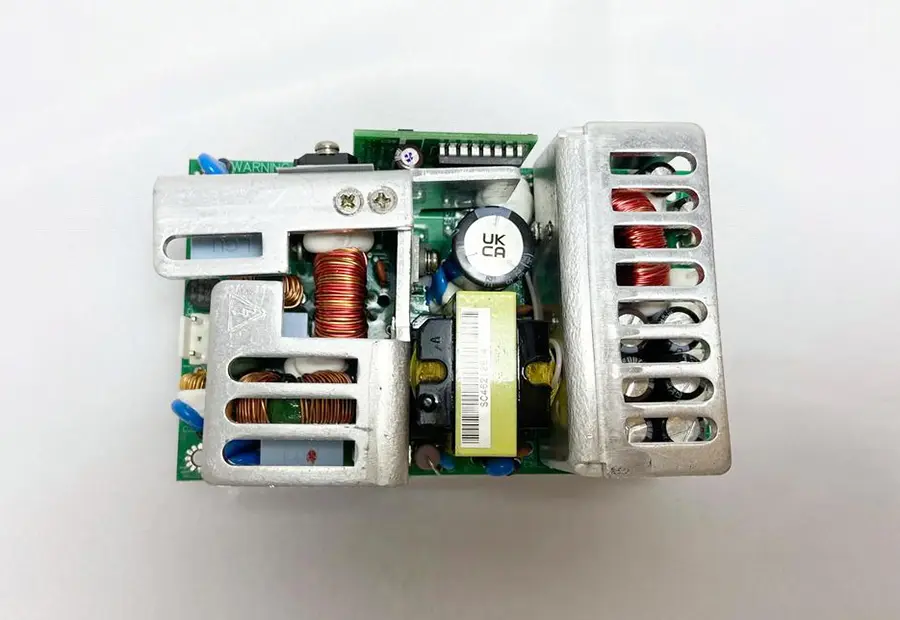
Typical Application Scenario Analysis
Case 1: AC/DC Adapter
Topology: Mostly uses flyback design
Transformer Requirements:
Core Type: Low-loss ferrite
Winding Structure: Triple-insulated wire winding
Key Parameters: Leakage Inductance < 5% Excitation Inductance
Case 2: LED Driving Power Supply
Core Challenge: High Power Density and Heat Dissipation Balance
Optimization Solution:
Use planar transformers to reduce height
Employ segmented windings to minimize skin effect
Combine with rectifier bridge to enhance conversion efficiency
The three golden rules for component selection
Selection of magnetic core materials
Iron oxide: Suitable for scenarios below 100kHz
Metal magnetic powder core: Suitable for high-frequency and high-current applications
Nanocrystalline: Extreme high-frequency and low-loss solution
Key parameter matching
Saturation flux density: A 20% margin should be reserved
Window utilization rate: It is recommended to control within 40%-60%
Temperature rise limit: The temperature rise under full load should be ≤ 40℃
Selection pit avoidance tip: Ignoring eddy current loss may cause local overheating of the magnetic core, leading to magnetic saturation failure.
Collaborative component pairing
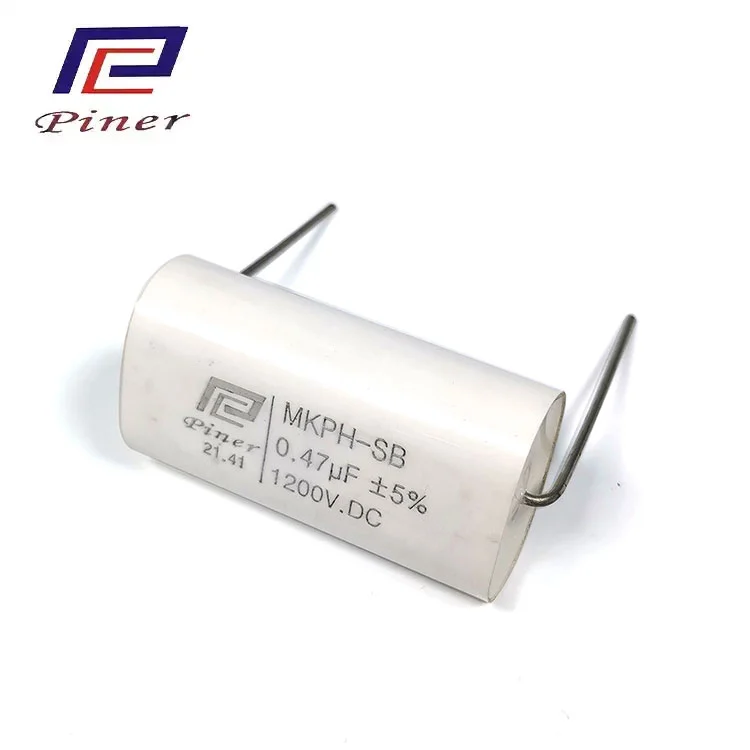
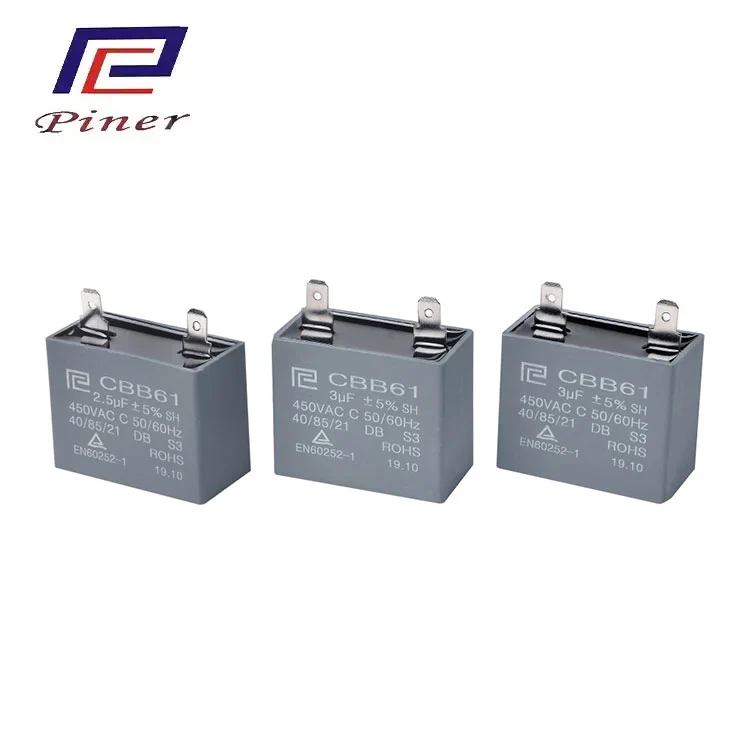
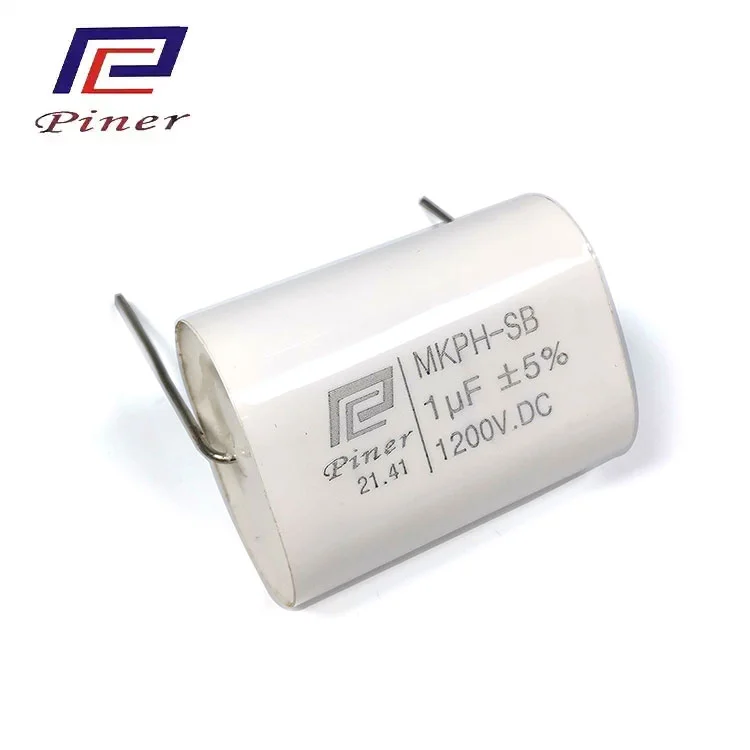
Input filtering: X/Y capacitors to suppress common-mode interference
Output rectification: Fast recovery diodes to reduce switching losses
Buffer circuit: RC absorption network to protect the switching transistor