Language


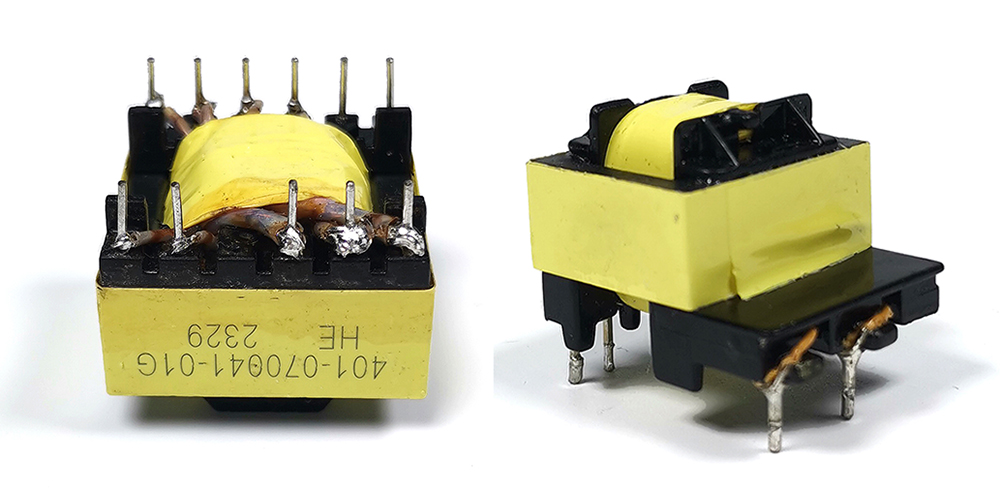
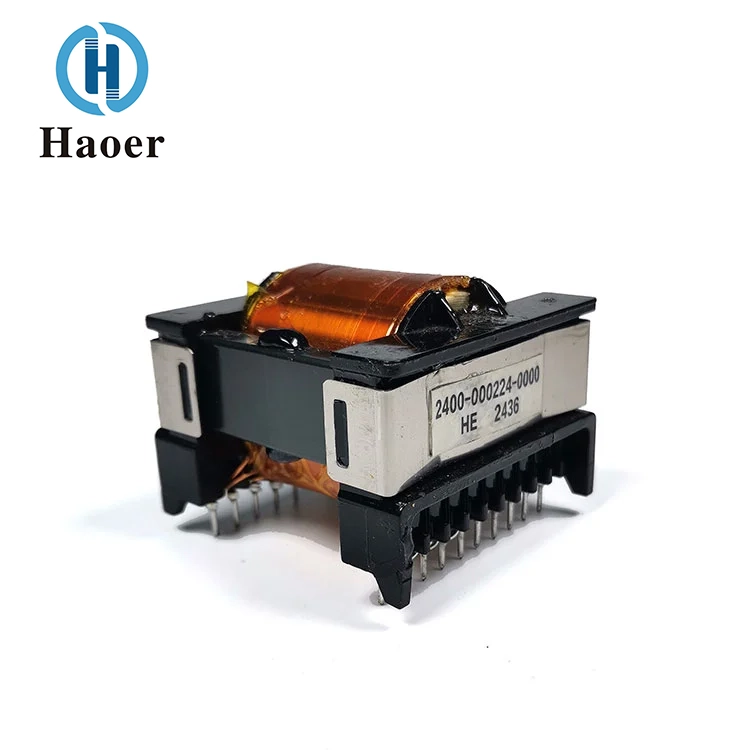
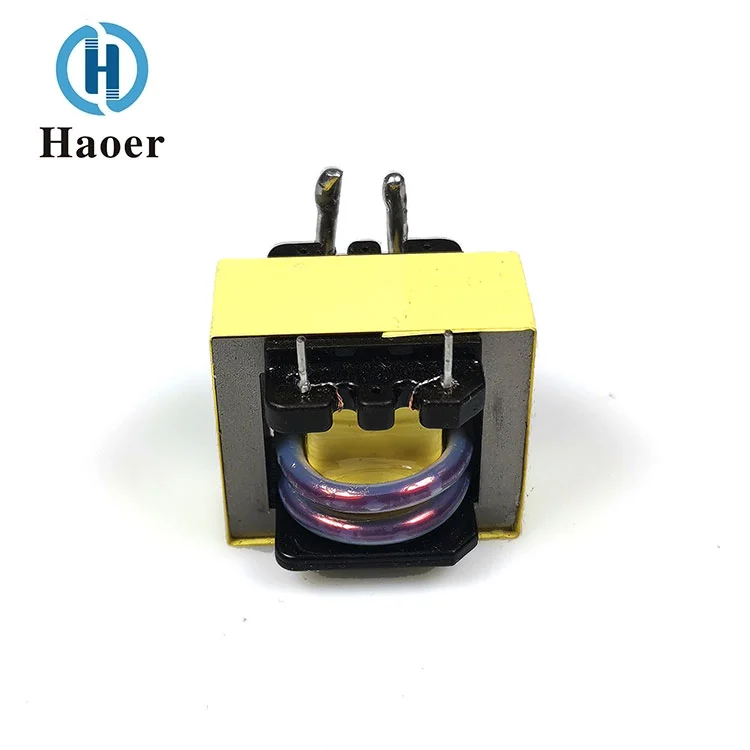
High-frequency transformers are now a vital part of modern electronic devices. As a power transformer manufacturer, we — Guangdong Haoer Electronics Co., Ltd. and Foshan Pin'er Electronics Co., Ltd. -- know their importance in power adapters, chargers, and new energy systems. Compared with old-fashioned line-frequency transformers, high-frequency ones are much smaller and far more efficient. But why is that? Let's break it down in simple terms: how they work, what materials they use, and how they are designed.
They work by electromagnetic induction -- the same basic principle as any transformer. Faraday's law says the output voltage is related to the turns ratio of the coils. But the key is that the core's magnetic flux changes with time. Traditional transformers run at 50Hz or 60Hz -- that's slow. High-frequency transformers run at tens of kHz or even MHz. The higher the frequency, the more times the magnetic flux changes per second. That means we can use a much smaller core to deliver the same power. This is the real physics behind the size reduction.
It comes down to a simple rule: the core area needed is inversely proportional to the square root of the frequency. For example, if we raise the frequency from 50Hz to 100kHz, the core area can shrink by dozens of times. So for the same power output, the core and the copper windings become tiny. A bulky traditional transformer might weigh several kilograms, while a high-frequency one for the same job may weigh just a few hundred grams. That saves material and makes it perfect for compact gadgets -- like phone chargers or LED drivers.
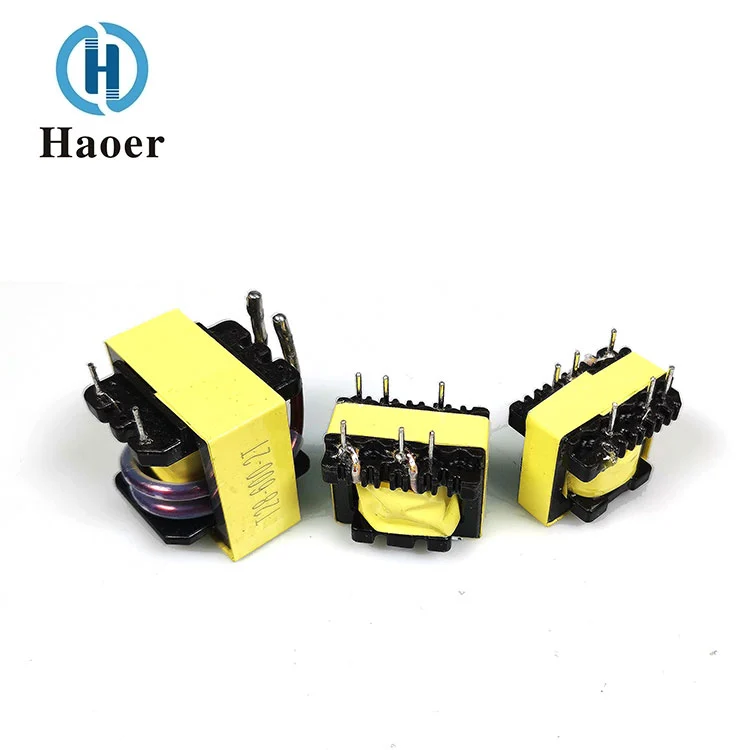
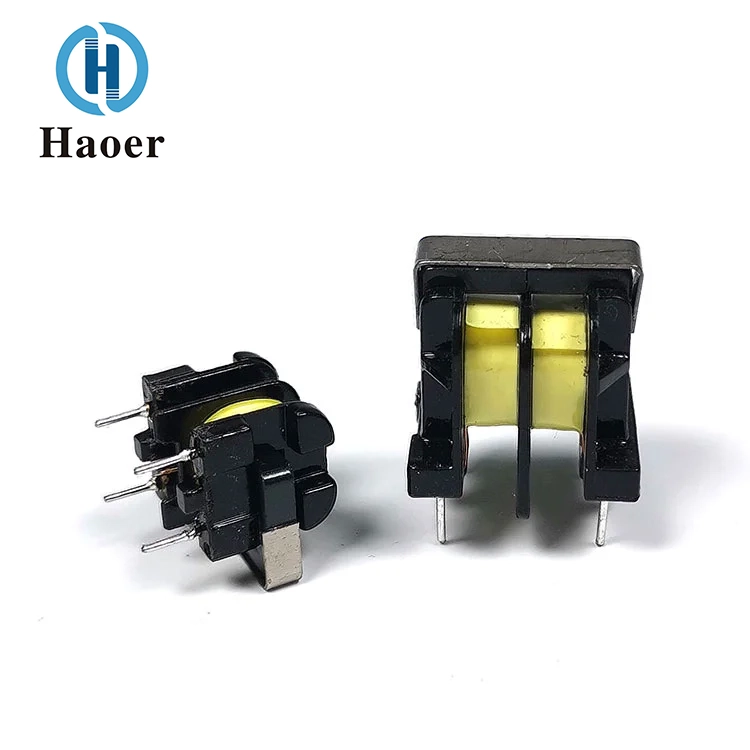
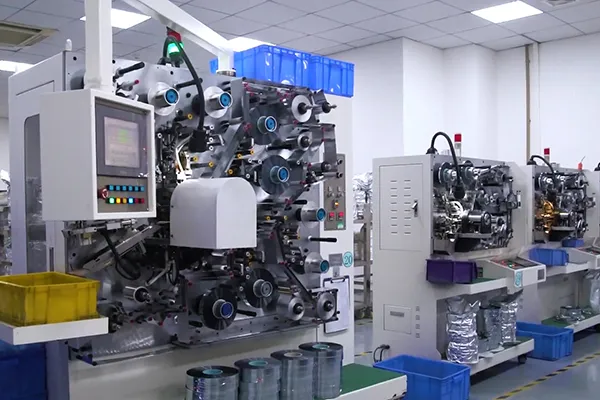
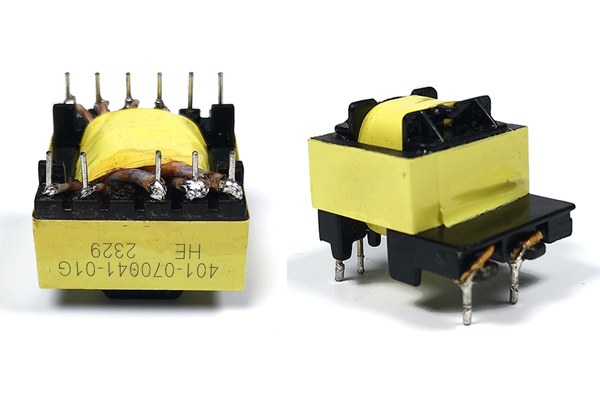
To make this work, we use ferrite cores. Ferrite has high magnetic permeability and high electrical resistance, so it reduces eddy current losses and stays stable at high frequencies. We also improve coil design with multilayer windings or planar transformer structures to save even more space. At our factories, we use automated precision winding to ensure these tiny transformers are still highly reliable.
Efficiency is another big advantage. Our high-frequency transformers often hit over 90% efficiency, while traditional ones are usually around 80%. Why?
● Lower core and copper losses: Core loss does go up with frequency, but we use low-loss ferrite materials to keep that in check. And because higher frequency means fewer turns, copper loss (resistance loss in the windings) goes down significantly.
● Fast switching with soft-switching technology: We pair these transformers with modern semiconductors like MOSFETs or IGBTs and use soft-switching techniques to cut energy waste during switching. Less waste means less heat.
● Better heat management: The smaller size also helps with cooling. We add potting and smart thermal designs so the transformers stay efficient even in hot environments.
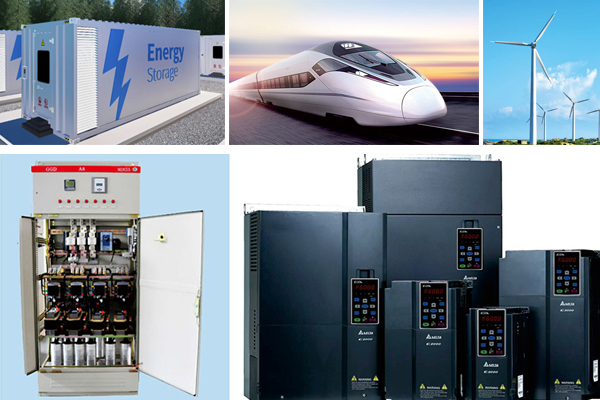
High-frequency transformers are everywhere -- in switch-mode power supplies, solar inverters, EV chargers, and more. Take smartphone fast chargers: with our transformers, the charger can be one-third the size of an old-style one, while efficiency exceeds 95%. That means faster charging and less energy wasted.
With new wide-bandgap semiconductors like GaN (gallium nitride) becoming common, we can push frequencies even higher. That will lead to even smaller, even more efficient transformers. At Guangdong Haoer and Foshan Pin'er, we keep improving materials and manufacturing processes to offer high-performance, eco-friendly solutions. We believe high-frequency transformers will keep driving lighter, smarter, and greener electronics.
To sum it up:
High-frequency transformers achieve both smaller size and higher efficiency simply by operating at much higher frequencies. It's a great example of how electromagnetic theory, materials science, and clever engineering come together. At Guangdong Haoer Electronics Co., Ltd. and Foshan Pin'er Electronics Co., Ltd., we focus on precision manufacturing to meet the highest standards. As technology moves forward, these transformers will play an even bigger role in green energy and intelligent living.