Language


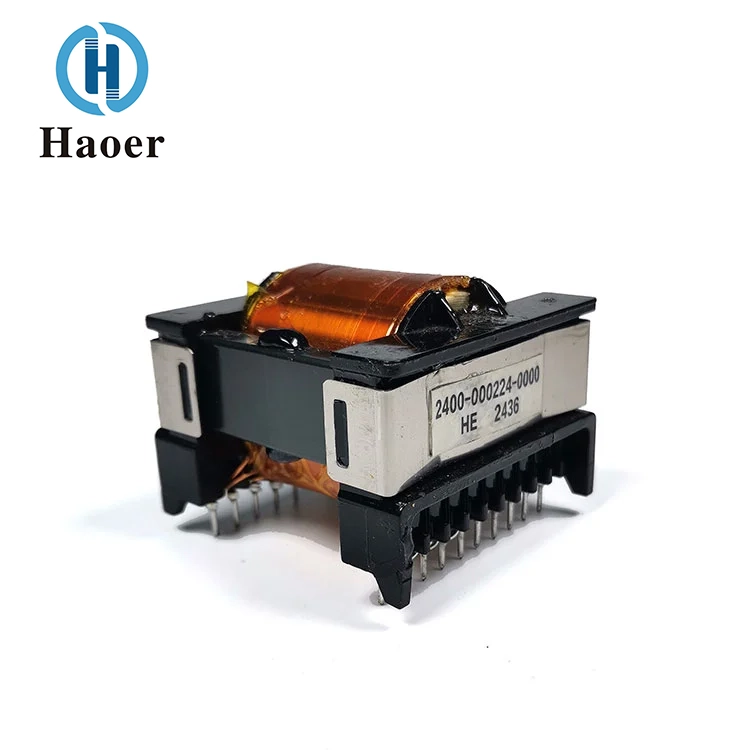
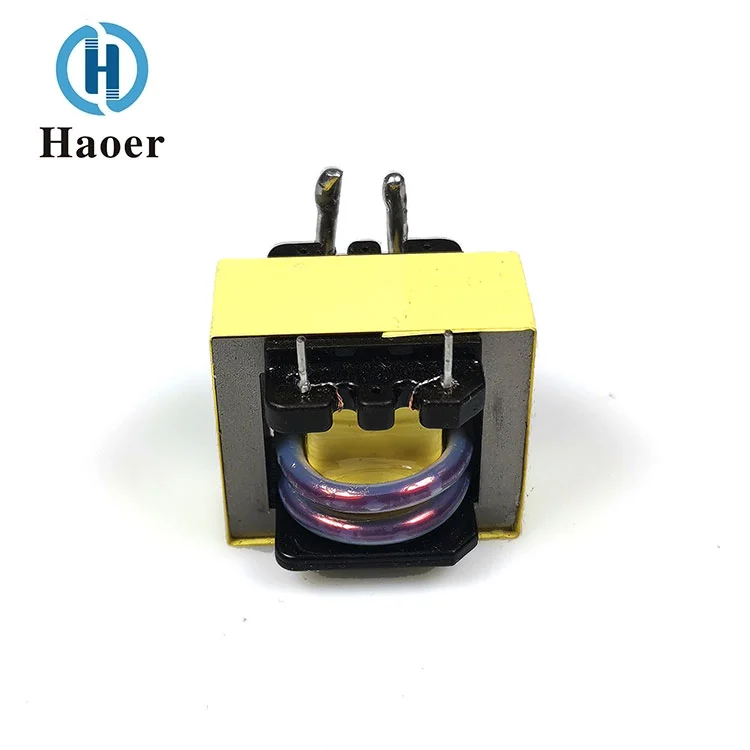
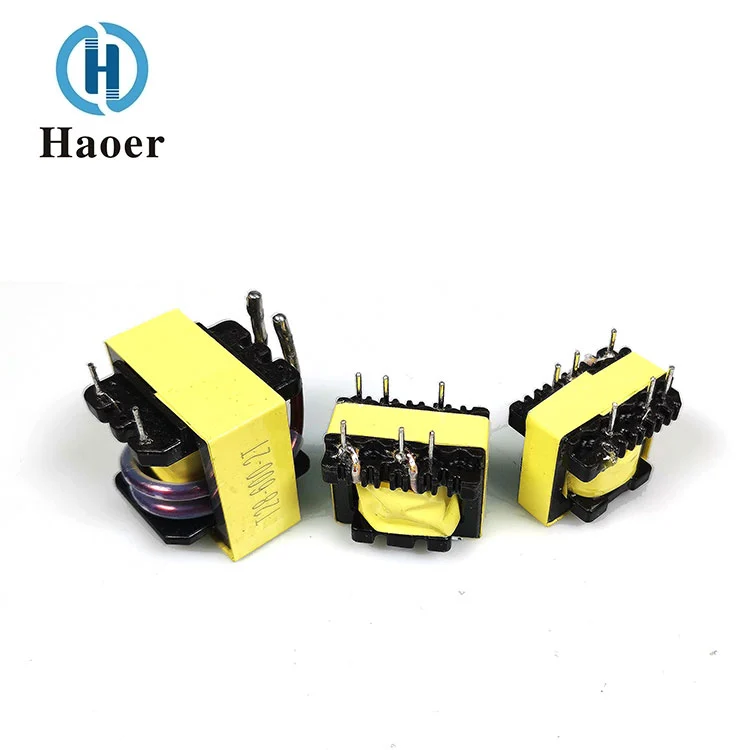
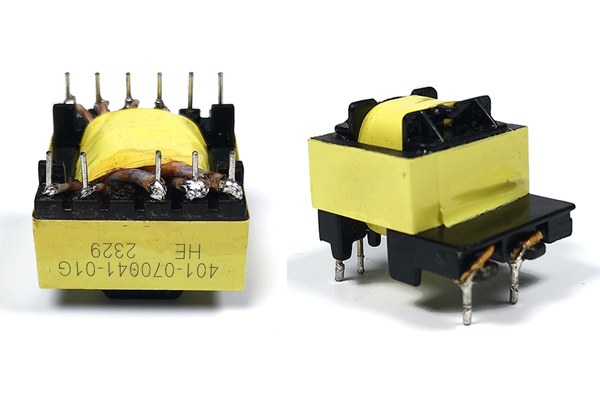
A single‑phase transformer has a simple core with only two windings -- one primary and one secondary. It is compact, low‑cost, and typically installed in residential distribution boxes to supply 220V power for household appliances.
A three‑phase transformer, in contrast, contains three sets of windings arranged 120° apart on the core. These can be connected in star or delta configurations to suit different voltage levels. It is much larger and heavier, usually mounted on utility poles or in factory substations, stepping down high voltage to 380V for industrial equipment.
Single‑phase transformers are rated for small power (typically up to a few tens of kVA) -- enough for lighting and home electronics.
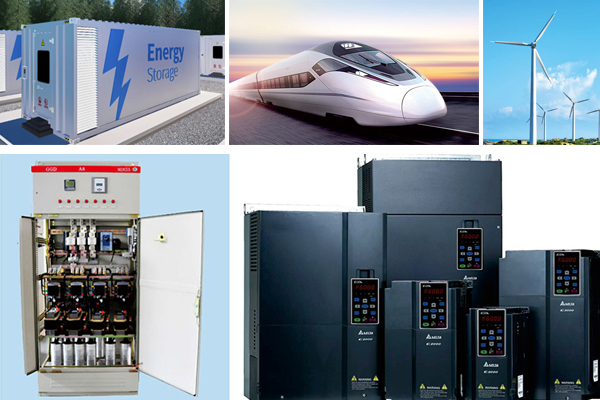
Three‑phase transformers handle high power, from tens of kVA to several MVA. With three phases delivering power simultaneously, they supply large loads such as motors, air‑conditioning systems, elevators, and railway traction drives.
Single‑phase supply is sensitive to load changes. When several appliances start or stop, voltage dips occur, causing flickering lights or unstable operation.
Three‑phase systems are inherently more stable. The three phase currents are 120° apart, so the total instantaneous power is nearly constant. If one phase fluctuates, the other two compensate, keeping voltage steady. This ensures smooth starting of heavy motors and reliable production.
For the same power, three‑phase transmission uses three wires instead of two, reducing line current and thus copper losses (I²R). Three‑phase transformers also use core and winding materials more efficiently. As a result, they offer lower operating losses and better cost‑effectiveness for large‑scale distribution.
Household appliances are designed for 220V single‑phase. Converting to three‑phase would require rewiring and replacing all devices -- expensive and unnecessary. For domestic use, single‑phase transformers are sufficient, economical, and easy to maintain.
In short, single-phase transformers are ideal for small-scale, residential power; three-phase transformers are essential for industrial, commercial, and public facilities with high power demands. Proper selection based on load characteristics, budget, and reliability needs ensures safe, efficient, and economical power supply.
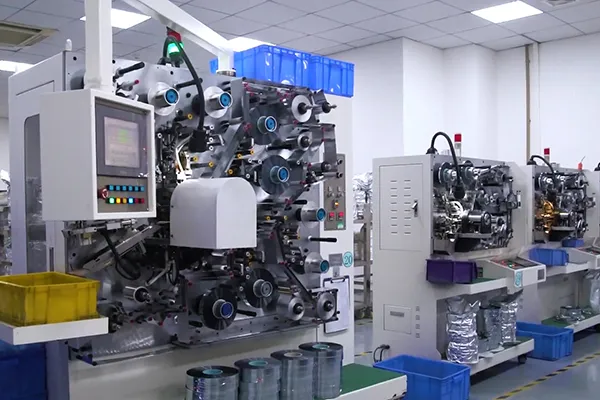
Guangdong Haoer Electronics Co., LTD specializes in transformer design and manufacturing, providing reliable power transformer solutions including single-phase transformers, three-phase transformers, and customized transformer products. With professional manufacturing capabilities and strict quality control, the company serves customers in industrial, commercial, and electrical application fields worldwide.