Language


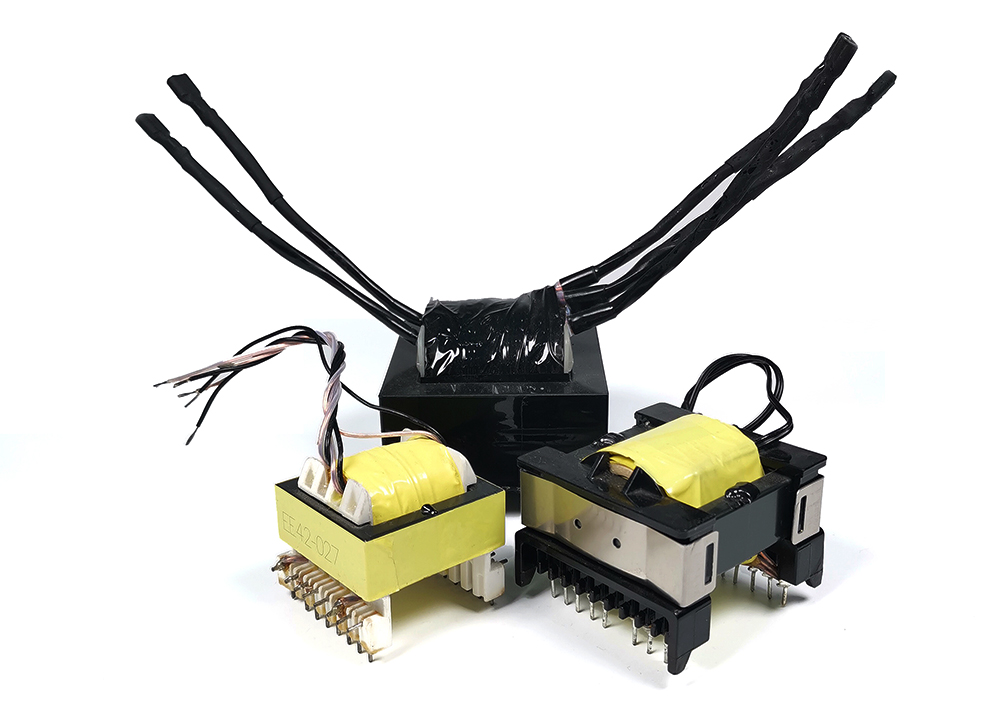
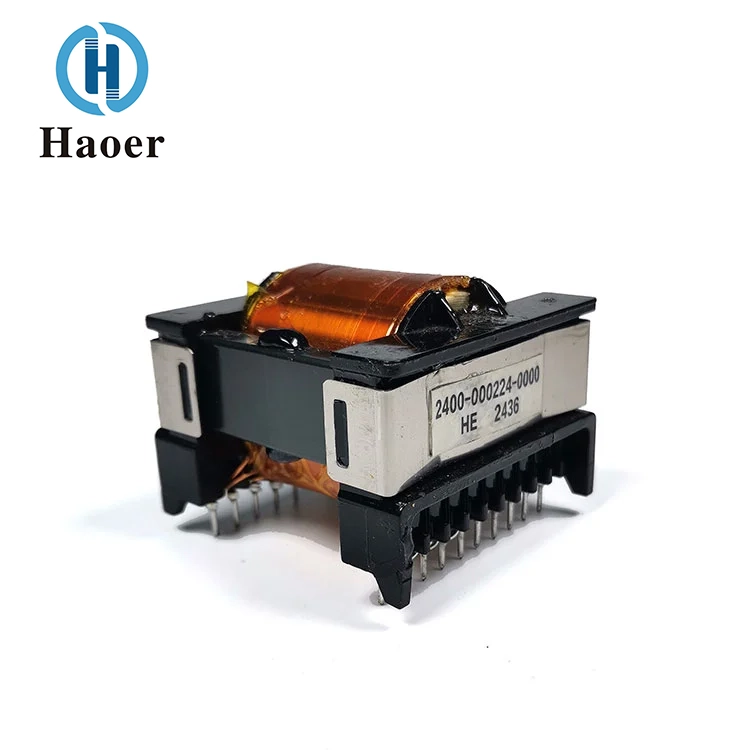
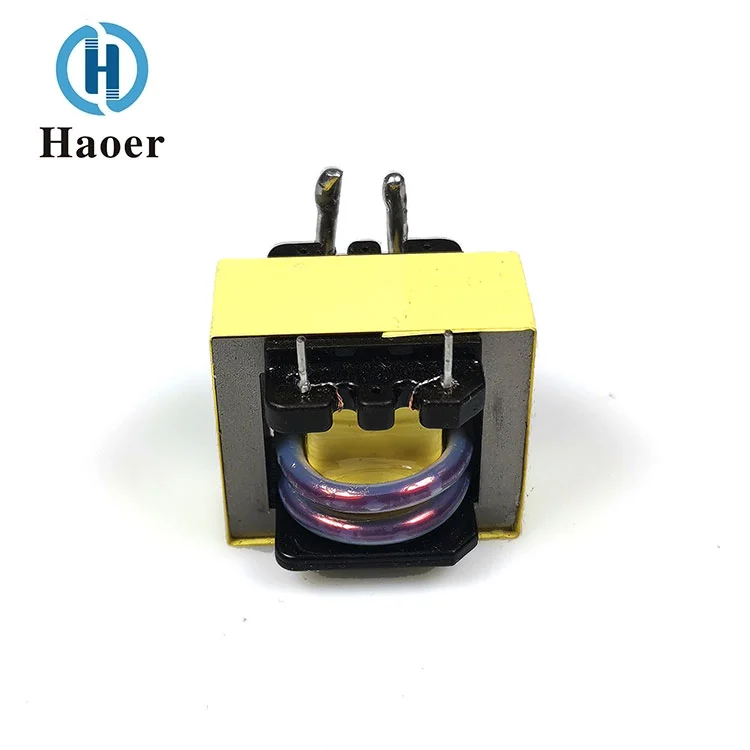
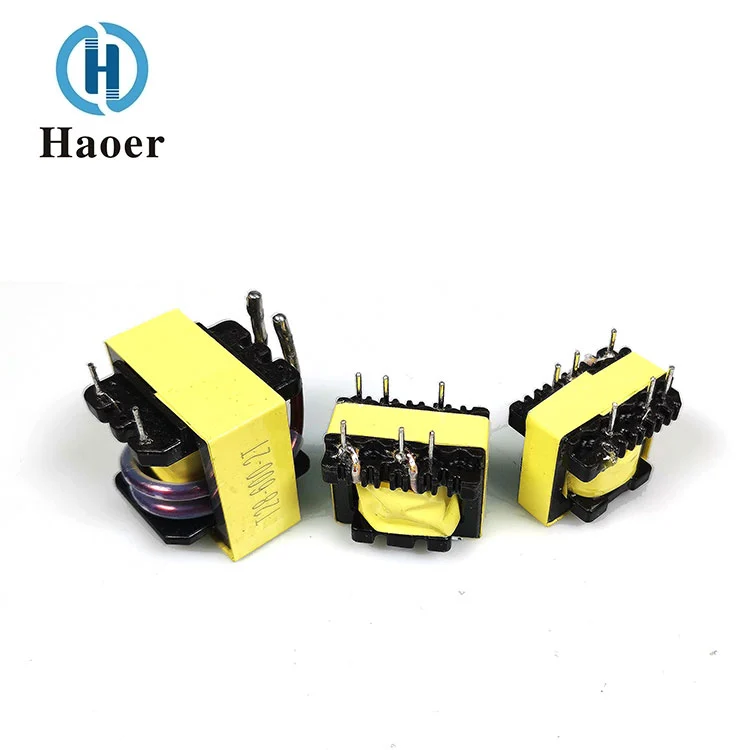
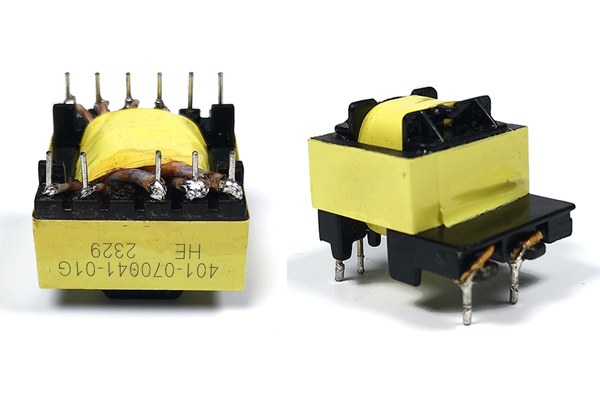
High-frequency transformers are essential electromagnetic components in power electronics systems. Their primary functions are voltage conversion, electrical isolation, and energy transfer in high-frequency switching circuits. Unlike traditional line-frequency transformers, high-frequency transformers typically operate at frequencies ranging from tens of kilohertz (kHz) to several megahertz (MHz). This fundamental difference leads to significant variations in core materials, winding structures, and design approaches. A qualified source manufacturer---one with in‑house R&D, production, and testing capabilities---can manage the entire process from core material selection to final shipment, providing critical magnetic components for downstream power supplies, communication equipment, and new energy systems.
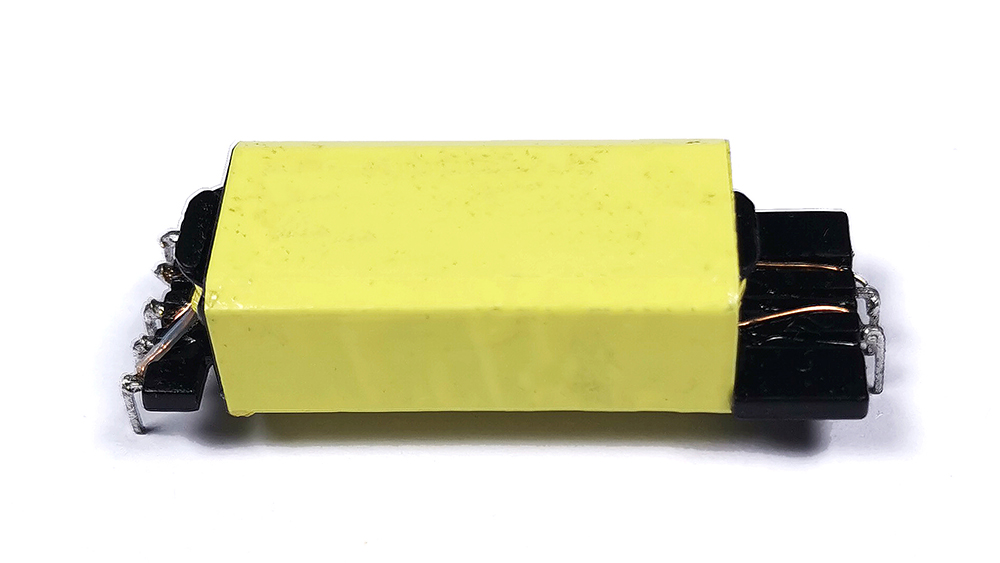
1. Operating Principles and Material Selection
High-frequency transformers operate on Faraday's law of electromagnetic induction. When a high-frequency alternating current flows through the primary winding, it generates an alternating magnetic flux in the core, which induces an electromotive force in the secondary winding. Because the frequency is high, eddy‑current losses and hysteresis losses in the core increase significantly. Therefore, the core material must offer high electrical resistivity, low coercivity, and moderate saturation flux density. Common core materials include ferrite, amorphous alloys, nanocrystalline alloys, and powder cores. Selection depends on the target operating frequency and power level: power ferrite is suitable for tens to hundreds of kHz, while amorphous and nanocrystalline cores are better for higher frequencies or high‑power applications.
2. Key Design Parameters
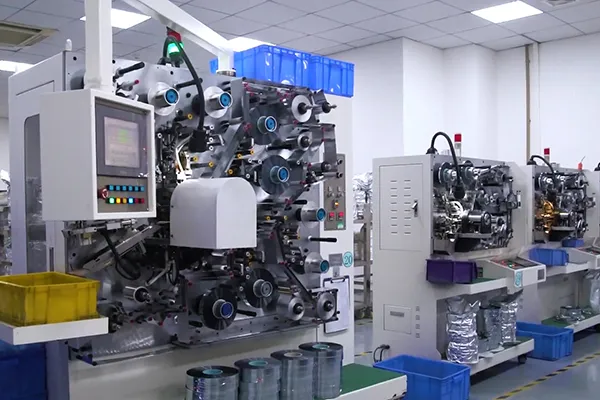
Designing a high-frequency transformer involves several critical parameters: turns ratio, inductance, leakage inductance, distributed capacitance, and thermal dissipation capability. Leakage inductance directly affects voltage spikes on switching devices and electromagnetic compatibility (EMC), so it must be controlled through winding arrangement, core air gaps, and shielding measures. Distributed capacitance influences the characteristics of high‑frequency resonant circuits, especially in topologies like LLC resonant converters, where precise control is essential. In mass production, reliable source manufacturers employ automated winding equipment, vacuum impregnation processes, and rigorous aging tests to ensure consistency and reliability.
3. Application Areas and Customization Requirements
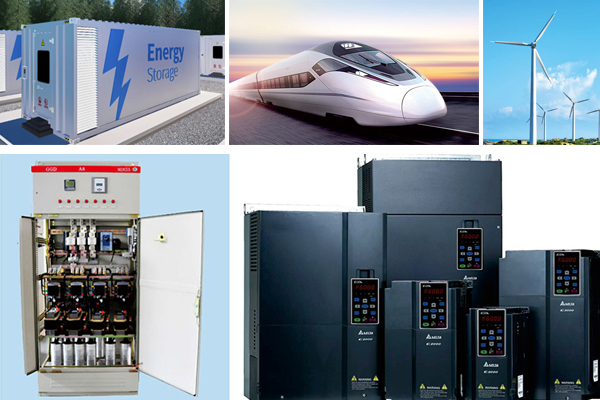
High-frequency transformers are widely used in switching power supplies, inverter welders, photovoltaic inverters, on‑board battery chargers, communication base station power supplies, and medical equipment power supplies. Different applications impose varying demands on electrical performance, safety standards, and environmental adaptability. For example, medical devices require low leakage current and high insulation levels, while automotive power supplies demand wide temperature ranges and vibration resistance. A competent source manufacturer can tailor the core type, number of turns, insulation material grade, and pin termination according to the customer's specifications. This flexible manufacturing capability is a key differentiator from ordinary trading companies.
4. Quality Control and Common Failure Modes
The quality of a high‑frequency transformer directly affects the stability and service life of the entire power supply system. Common failure modes include core saturation causing current runaway, insulation breakdown leading to short circuits, and excessive temperature rise due to high thermal resistance. Before shipment, transformers must undergo hipot (dielectric strength) testing, inductance measurement, turns‑ratio verification, and temperature rise tests. Advanced manufacturers also employ partial discharge detection and X‑ray non‑destructive inspection to uncover internal process defects. A comprehensive quality system is the foundation for long‑term reliable operation.
5. Selection Points and Technical Support
When selecting a transformer, the first step is to define the basic parameters: operating frequency (which determines core material and loss calculation), power capacity (dependent on core cross‑sectional area and window area), and insulation withstand voltage (dictated by safety regulations). In addition, the trade‑off between leakage inductance and distributed capacitance often requires iterative optimization. A technical team from a reputable source manufacturer can offer simulation‑based design assistance, helping customers quickly verify feasibility during the prototyping stage and shorten development cycles.
6. Industry Barriers and Benefits of Industrial Clusters
The high‑frequency transformer industry has notable technical barriers. Core material processing, winding machine precision, epoxy resin formulation, and curing profiles all affect final quality. A qualified manufacturer typically needs years of process data to achieve high yield rates. In regions with a mature industrial base and well‑developed supply chains, transformer manufacturing clusters have formed, facilitating technical exchange, raw material procurement, and logistics efficiency---giving downstream customers more choices.
7. Evaluating Testing Capabilities and Procurement Advice
Beyond price and delivery time, buyers should assess a manufacturer's testing capabilities. Key equipment includes high‑frequency LCR meters, impedance analyzers, power test platforms, and thermal imagers. These tools help identify potential issues during R&D and prevent quality fluctuations in volume production. Reputable source manufacturers often publish their test standards in official documents for customer reference. Ultimately, the final selection should be made based on the specific circuit topology and overall system requirements.
8. Technology Trends
Currently, high‑frequency transformers are moving toward miniaturization, higher operating frequencies, and greater integration. Planar transformers, PCB‑embedded windings, and magnetic integration technologies are becoming research hotspots. These new technologies demand higher precision manufacturing and also drive innovation in core and insulation materials. When taking on such novel products, source manufacturers must work closely with upstream material suppliers and downstream power engineers, iterating designs repeatedly to meet increasingly stringent market needs.
As a critical component in power electronics, the technical parameters and manufacturing processes of high‑frequency transformers directly impact overall system performance. A solid understanding of their operating principles, characteristics, and selection criteria helps engineers make informed decisions. Source manufacturers with full‑chain capabilities, backed by years of experience and complete supporting infrastructure, can deliver stable and reliable products for a wide range of power applications. As technology continues to evolve, staying attuned to advances in magnetic materials and process innovations remains the foundation for long‑term success in this field.