Language


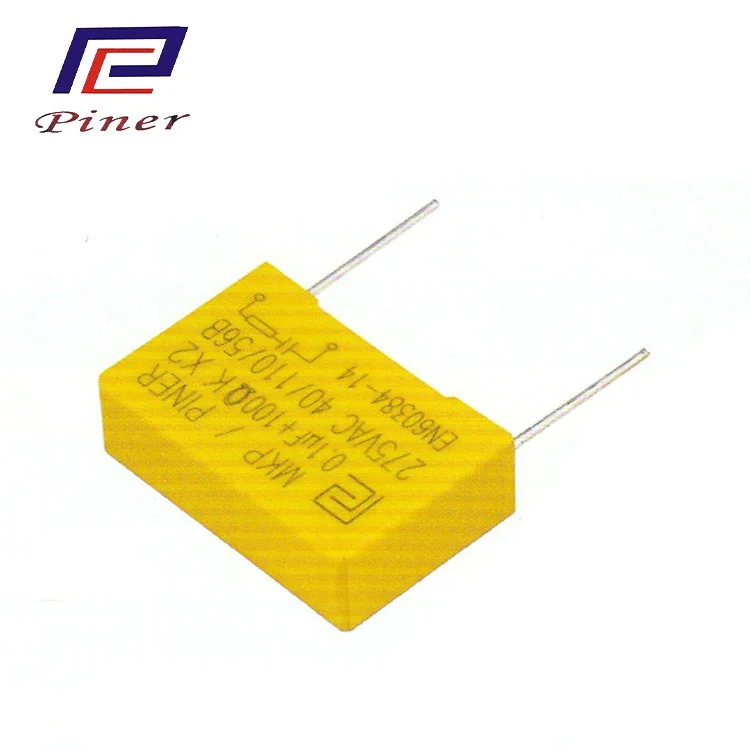
A System Switching Module Capacitor plays an important role in power conversion by managing electrical energy within switching circuits, reducing voltage fluctuations, and supporting stable operation under changing loads. As switching power supplies become increasingly important in photovoltaic inverters, energy storage systems, electric vehicle charging equipment, and industrial control systems, capacitor selection has become a key consideration in power efficiency and circuit design.
Switching power supplies regulate electrical output by rapidly switching semiconductor devices on and off. This process enables efficient energy conversion, but it also produces voltage and current ripple that must be managed by the surrounding circuit.
Capacitors store and release electrical energy during switching cycles, helping stabilize DC voltage, filter unwanted electrical components, and reduce fluctuations across the power stage. Their performance influences ripple voltage, transient response, electromagnetic interference, and the operating conditions of other electronic components.
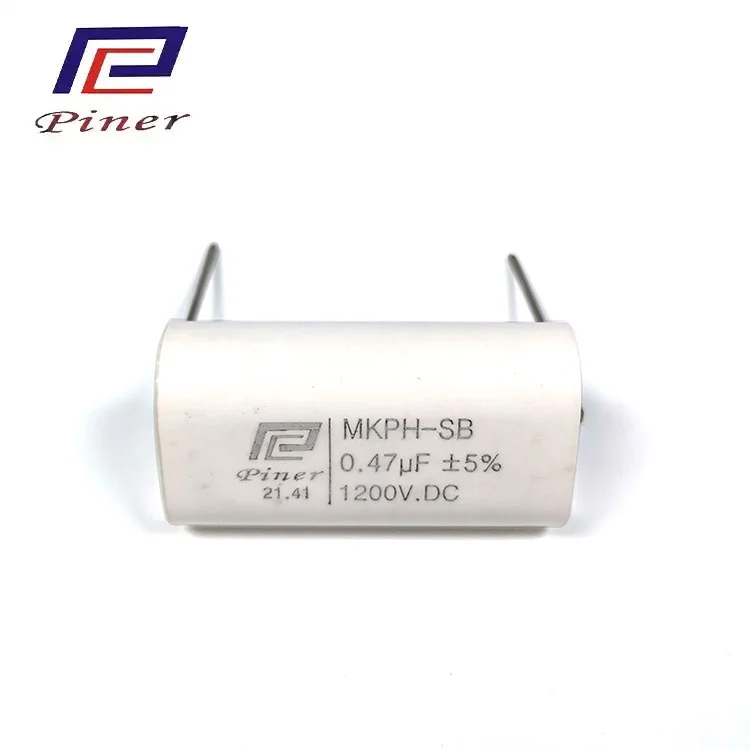
The contribution of a capacitor depends on its position within the circuit. Input capacitors help manage voltage variations at the power stage, while output capacitors smooth the converted voltage delivered to the load. Capacitors used in resonant or snubber circuits perform different functions, including supporting switching transitions and controlling circuit behavior.
Capacitor selection involves more than nominal capacitance and rated voltage. Equivalent series resistance (ESR), equivalent series inductance (ESL), dielectric loss, ripple current capability, and operating temperature can all influence performance.
ESR contributes to resistive losses when ripple current passes through a capacitor. For a simplified resistive model, the associated power loss can be expressed as P = I² × ESR, where I represents the effective ripple current. Lower ESR can reduce this component of loss, although actual performance also depends on frequency, temperature, construction, and circuit conditions.
ESL affects high-frequency impedance and transient behavior, while dielectric properties influence energy dissipation during repeated charge and discharge cycles. Temperature and electrical stress also affect service life. Selecting suitable characteristics for the operating frequency and current profile can therefore help balance conversion efficiency, thermal performance, and long-term stability.
A System Switching Module Capacitor may serve different functions depending on the power topology and circuit position. In LLC resonant converters, capacitors form part of the resonant network alongside inductive elements. Their electrical characteristics influence resonant frequency and the conditions under which energy transfers through the converter.
In phase-shifted full-bridge (PSFB) converters, capacitors may support input filtering, output smoothing, or other circuit functions. The required capacitance, voltage rating, ripple current capability, and dielectric characteristics vary with the intended role.
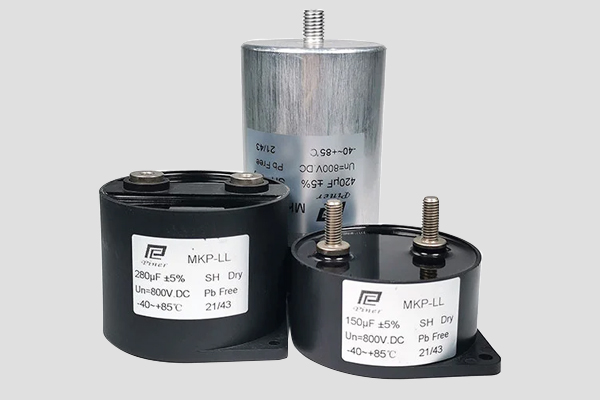
For photovoltaic and energy storage inverters, DC-link capacitors help stabilize the intermediate DC bus between conversion stages. In EV charging equipment and communication base station power supplies, capacitors support filtering and transient management under varying operating loads. Industrial control systems also use capacitors to maintain suitable electrical conditions in power conversion and control circuits.
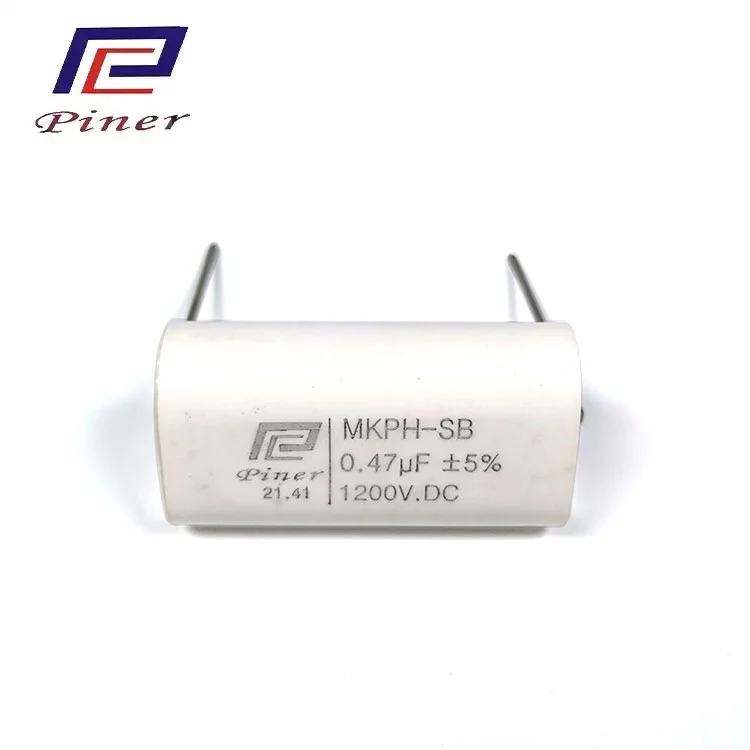
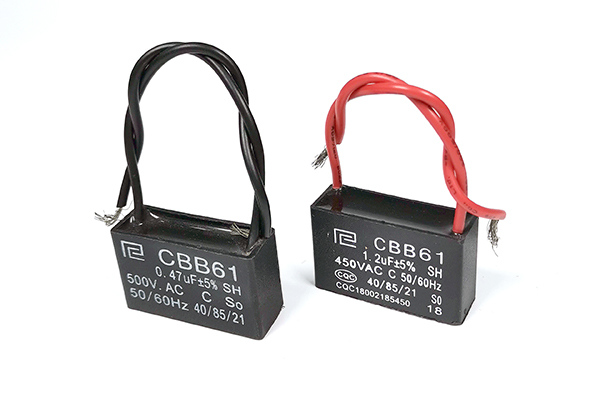
Electrical performance depends on material properties, component construction, manufacturing consistency, and inspection processes. Film capacitor production may involve film winding, end-surface metallization, encapsulation, marking, and electrical testing. Each stage contributes to the finished component's physical and electrical characteristics.
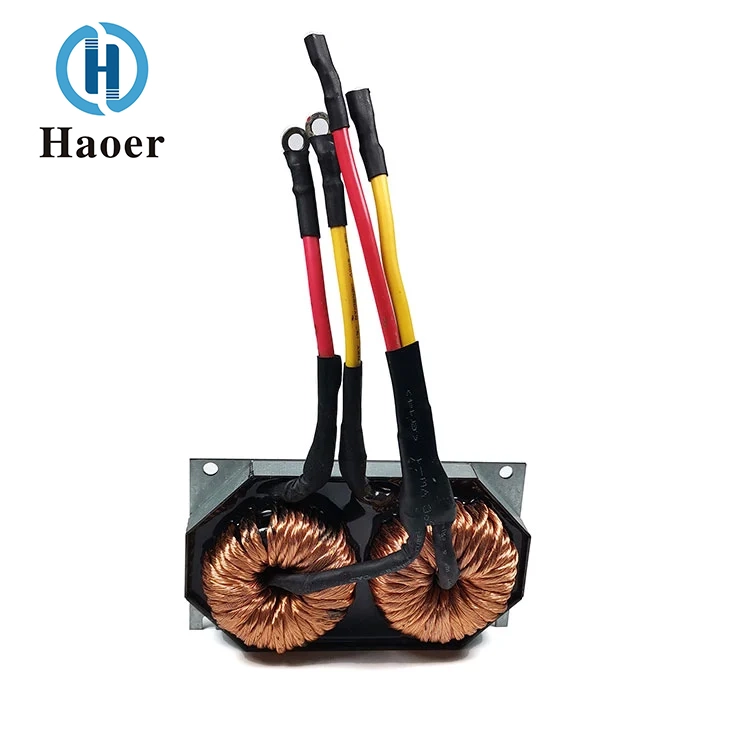
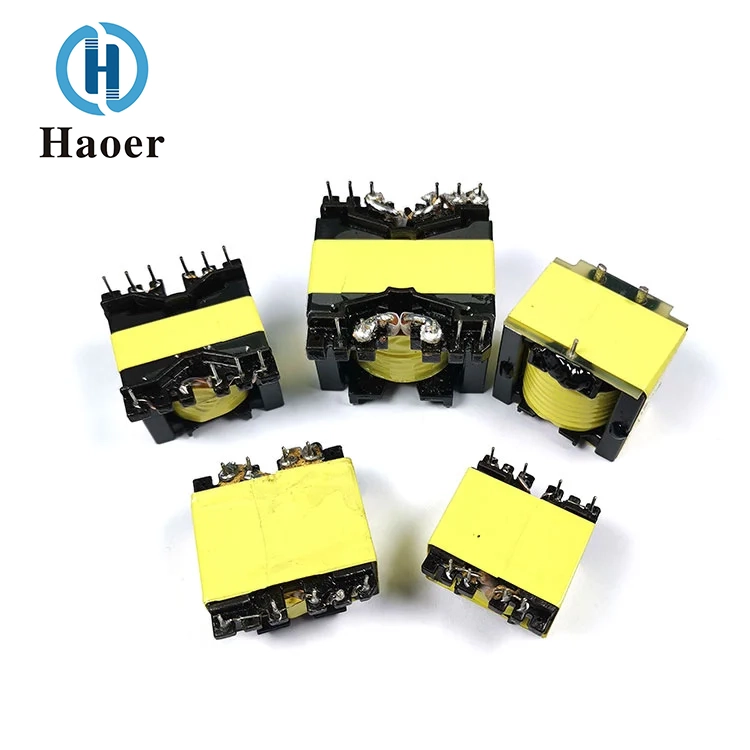
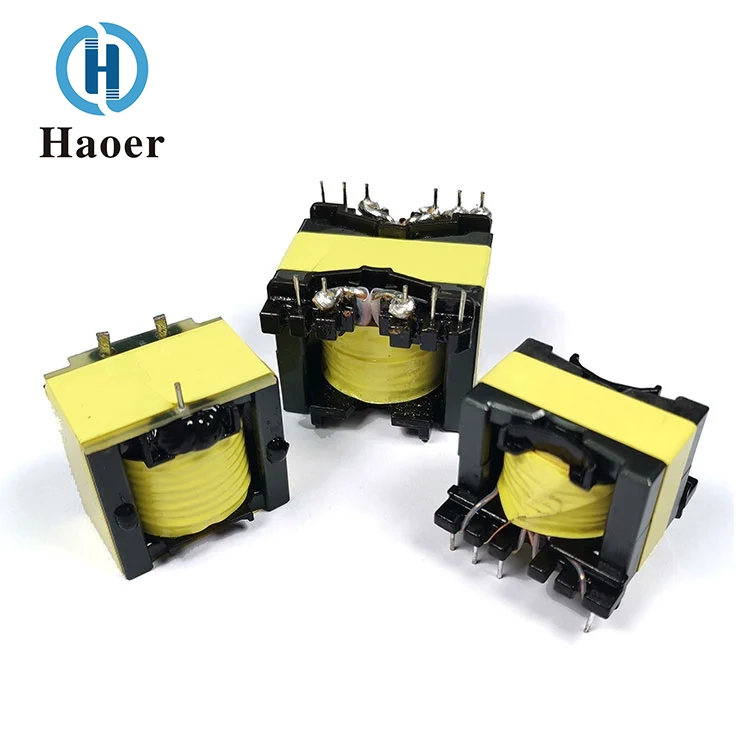
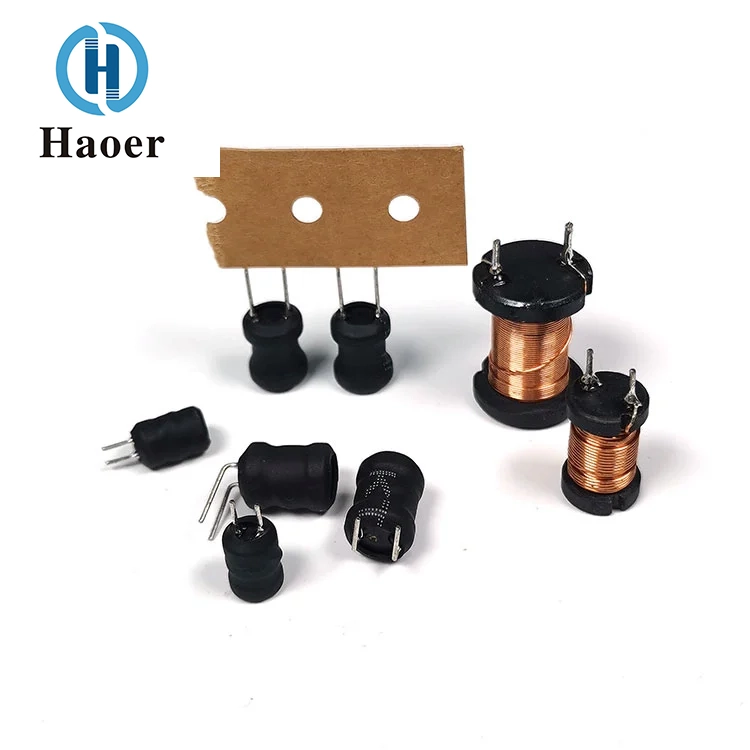
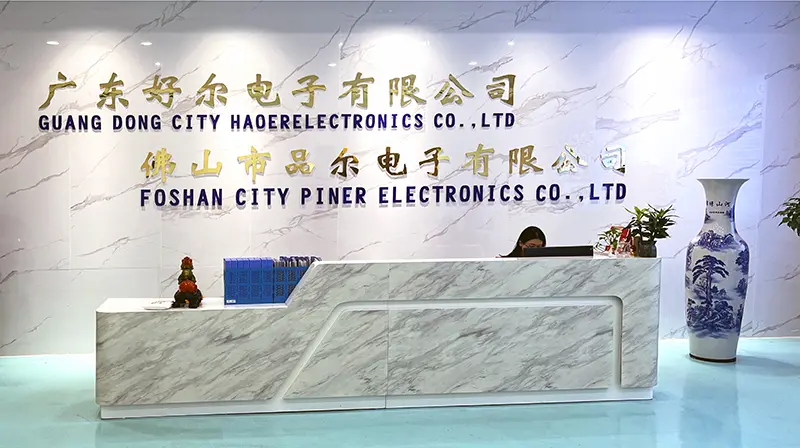
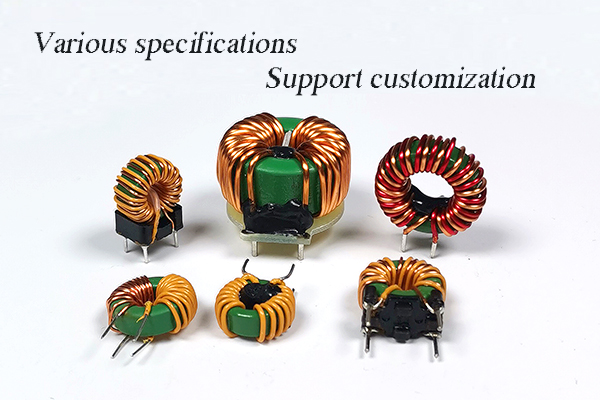
Guangdong Haoer Electronics Co., Ltd. and its sister company, Foshan Pin'er Electronics Co., Ltd., operate in related electronic component fields. Haoer focuses on high-frequency transformers, filters, and inductors, while Pin'er specializes in film capacitors and industrial capacitors. Their documented manufacturing equipment includes metallization machines, epoxy resin mixing and potting equipment, laser marking systems, and capacitor testers.
Electrical inspection can assess capacitance, withstand voltage, insulation, and loss characteristics. Incoming material inspection and outgoing product inspection also form part of the documented quality control process. These measures are relevant to maintaining manufacturing consistency, particularly for components used in demanding power conversion applications.
Improving power efficiency requires coordinated design across the complete conversion circuit. Engineers typically evaluate switching frequency, load profile, ripple current, thermal conditions, component placement, and the electrical characteristics of interconnected components. Increasing capacitance alone does not necessarily improve efficiency, since size, losses, transient response, and circuit stability must be considered together.
A System Switching Module Capacitor should therefore be evaluated according to its specific electrical function rather than as an isolated component. In systems using LLC or PSFB topologies, capacitor selection and circuit simulation can help assess resonant behavior, electrical stress, and expected operating conditions before prototype validation.
As power electronics continue to serve renewable energy, transportation, telecommunications, and industrial automation, capacitor design remains closely connected to energy conversion performance. Understanding the interaction between dielectric materials, electrical parameters, circuit topology, and operating conditions provides a practical basis for evaluating how a System Switching Module Capacitor contributes to power efficiency.