
News

News

We’re committed to sharing work results, company updates, key developments, and staffing announcements with you.

We'll keep you updated on our progress, company news, timely developments, and personnel changes.

You'll receive regular updates on our performance, organizational news, ongoing developments, and leadership appointments.

We’ll share performance outcomes, important news, timely project updates, and organizational changes with you.

Stay informed about our achievements, company happenings, real-time progress, and team updates.
EMC Filtration Market Expands as Power Electronics Demand Drives Noise Suppression Component Growth16 2026-06

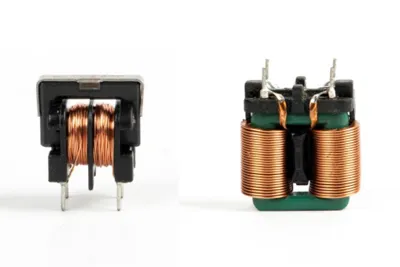
EMC Filtration Market Expands as Power Electronics Demand Drives Noise Suppression Component Growth

The global EMC filtration market continues to grow steadily, driven by increasing adoption of power electronics in automotive, industrial, and renewable energy sectors. Filtering components — including common mode chokes, differential mode inductors, and power line filters — are essential for electromagnetic compatibility (EMC) in modern electronic systems. The proliferation of switched-mode power supplies, industrial automation, EV charging infrastructure, and renewable energy inverters has created sustained demand for EMI suppression solutions.
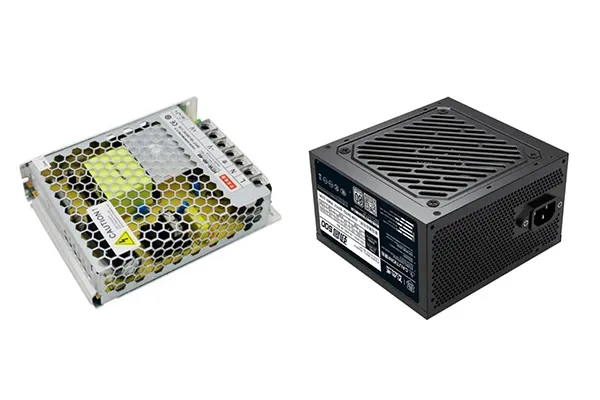
Differences Between Switching Power Supplies and Traditional Power Transformers: Principles, Performance, and Applications09 2026-06

Differences Between Switching Power Supplies and Traditional Power Transformers: Principles, Performance, and Applications

Many people mistakenly believe that switching power supplies and traditional power transformers are the same because both convert 220V AC to low-voltage DC. However, they differ significantly in working principle, performance, and application.
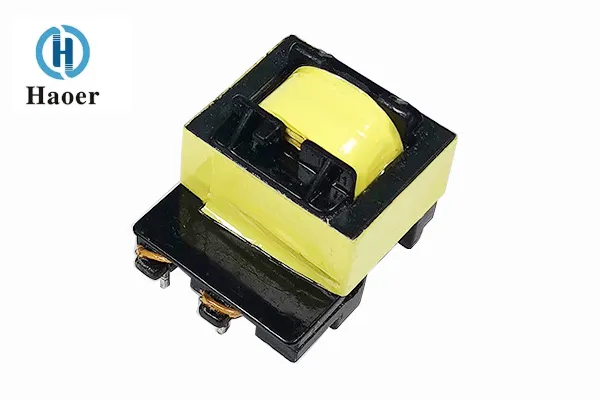
Difference between high-frequency transformers and conventional transformer09 2026-06

Difference between high-frequency transformers and conventional transformer

High-frequency transformers and conventional transformers are like sprinters versus marathon runners: Operating frequency: High-frequency transformers typically operate above 20 kHz, while conventional transformers usually function within the 50 Hz–60 Hz range. Electromagnetic characteristics: High-frequency transformers use materials such as ferrite to minimize eddy current losses, whereas conventional transformers rely on silicon steel laminations to suppress hysteresis losses. Size and weight: For the same power rating, high-frequency transformers can be reduced by 60% in volume and 50% in weight.
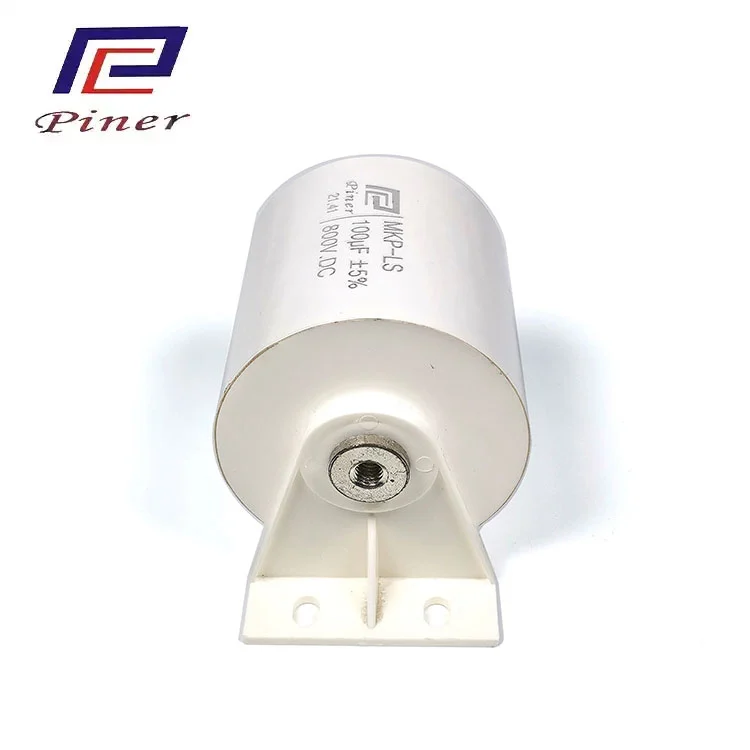
What Makes a Welding Capacitor Essential for Modern Welding Systems?03 2026-06

What Makes a Welding Capacitor Essential for Modern Welding Systems?

​Welding capacitors are crucial components in modern welding systems, ensuring stable arc performance, energy efficiency, and safety. This article explores their types, functions, applications, maintenance tips, and common issues, providing comprehensive insights for manufacturers, technicians, and hobbyists. By understanding welding capacitors, you can optimize your welding operations and prolong equipment lifespan.
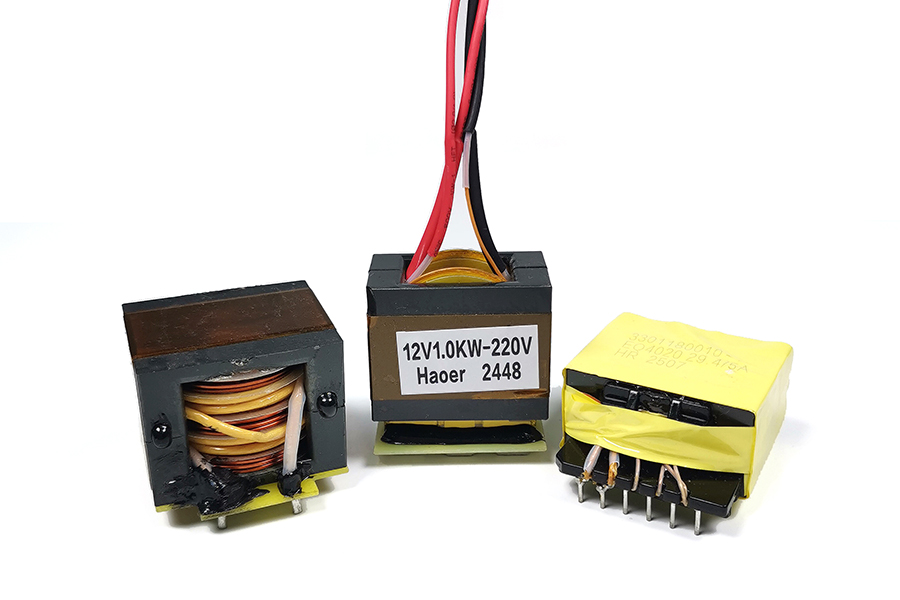
Applications of High-Frequency Transformers in Modern Technology30 2026-05

Applications of High-Frequency Transformers in Modern Technology

In today's rapidly advancing technological era, the importance of high-frequency transformers as a key electronic component is undeniable. Whether in consumer electronics, communication equipment, or new energy vehicles, high-frequency transformers can be found. This article discusses some applications of high-frequency transformers and their future development prospects.
Why is Induction Heating Equipment Capacitor Critical for Stable Industrial Heating Systems?27 2026-05

Why is Induction Heating Equipment Capacitor Critical for Stable Industrial Heating Systems?

​Induction heating systems are widely used in modern manufacturing for metal hardening, forging, melting, and precision heating. At the core of these systems lies a component that is often underestimated but absolutely essential—the induction heating equipment capacitor. This article explores its function, working principles, selection criteria, common failures, and maintenance strategies.
X
We use cookies to offer you a better browsing experience, analyze site traffic and personalize content. By using this site, you agree to our use of cookies. Privacy Policy
RejectAccept