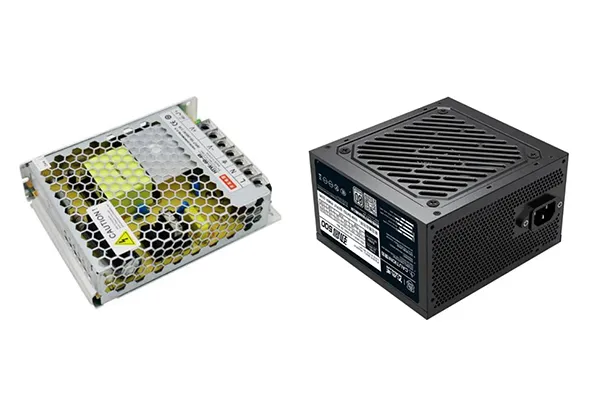
Many people mistakenly believe that switching power supplies and traditional power transformers are the same because both convert 220V AC to low-voltage DC. However, they differ significantly in working principle, performance, and application.
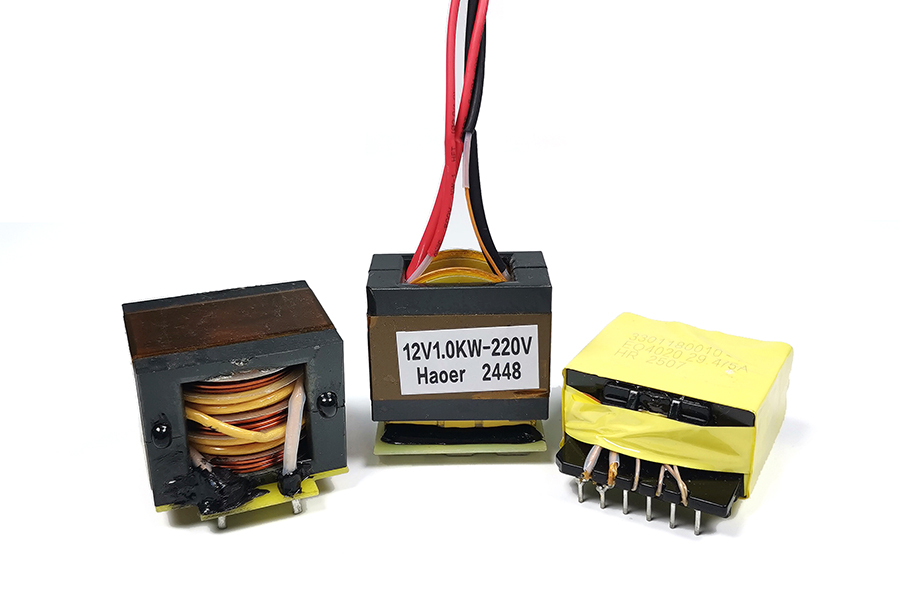
High-frequency transformers and conventional transformers are like sprinters versus marathon runners:
Operating frequency: High-frequency transformers typically operate above 20 kHz, while conventional transformers usually function within the 50 Hz–60 Hz range.
Electromagnetic characteristics: High-frequency transformers use materials such as ferrite to minimize eddy current losses, whereas conventional transformers rely on silicon steel laminations to suppress hysteresis losses.
Size and weight: For the same power rating, high-frequency transformers can be reduced by 60% in volume and 50% in weight.
In today's rapidly advancing technological era, the importance of high-frequency transformers as a key electronic component is undeniable. Whether in consumer electronics, communication equipment, or new energy vehicles, high-frequency transformers can be found. This article discusses some applications of high-frequency transformers and their future development prospects.
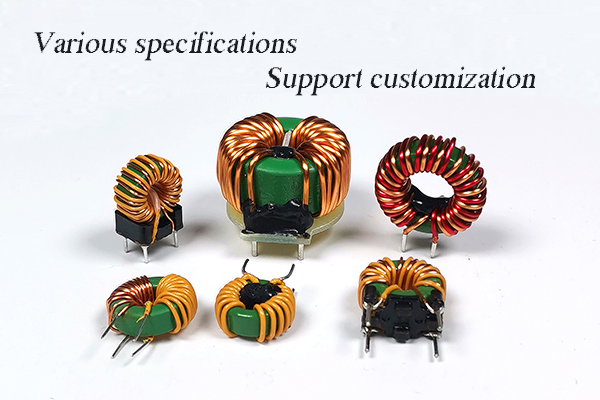
The selection of common-mode inductors requires careful evaluation of several interrelated electrical and thermal parameters—including rated current, impedance characteristics, operating frequency range, thermal performance, winding configuration, and manufacturing consistency—to ensure effective common-mode noise suppression and long-term reliability in the target application.
High-frequency transformer technology is undergoing multi-dimensional collaborative innovation. From breaking through performance bottlenecks at the material level, to achieving extreme miniaturization in structural design, and to its deep penetration in the fields of new energy and 5G, high-frequency transformers are no longer just supporting roles in power supplies. Each technological leap of theirs is paving the way for a more efficient and compact power electronics world.
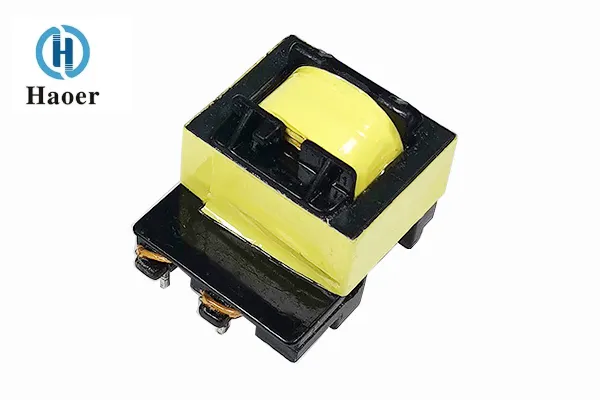
The ETD Ferrite Core High-Frequency Transformer plays a vital role in modern switching power supplies (SMPS), renewable energy systems, LED drivers, telecom power modules, and industrial automation equipment. Thanks to its optimized core geometry, low core loss at high frequency, and excellent power density, ETD transformers have become a preferred magnetic solution across industries.
We use cookies to offer you a better browsing experience, analyze site traffic and personalize content. By using this site, you agree to our use of cookies. Privacy Policy



 09 2026-06
  09 2026-06
  30 2026-05
  03 2026-03
  03 2026-03
  02 2026-03